The Permanent Synod of the Ukrainian Greek Catholic Church Convenes for Its 16th (87th) Session in Madrid
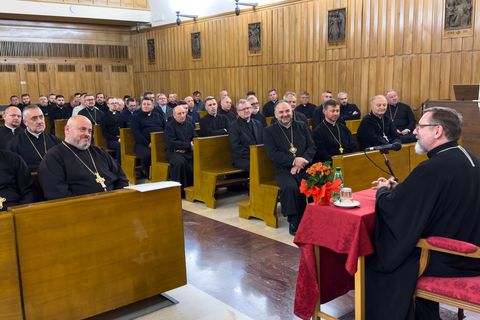
The 16th (87th) session of the Permanent Synod of the Ukrainian Greek Catholic Church begins in Madrid on May 25. Over the course of four days, until May 28, members of the Permanent Synod will hold working sessions addressing current issues in the life of the Church, pastoral ministry, the synodal process, and challenges related to the war in Ukraine and migration.
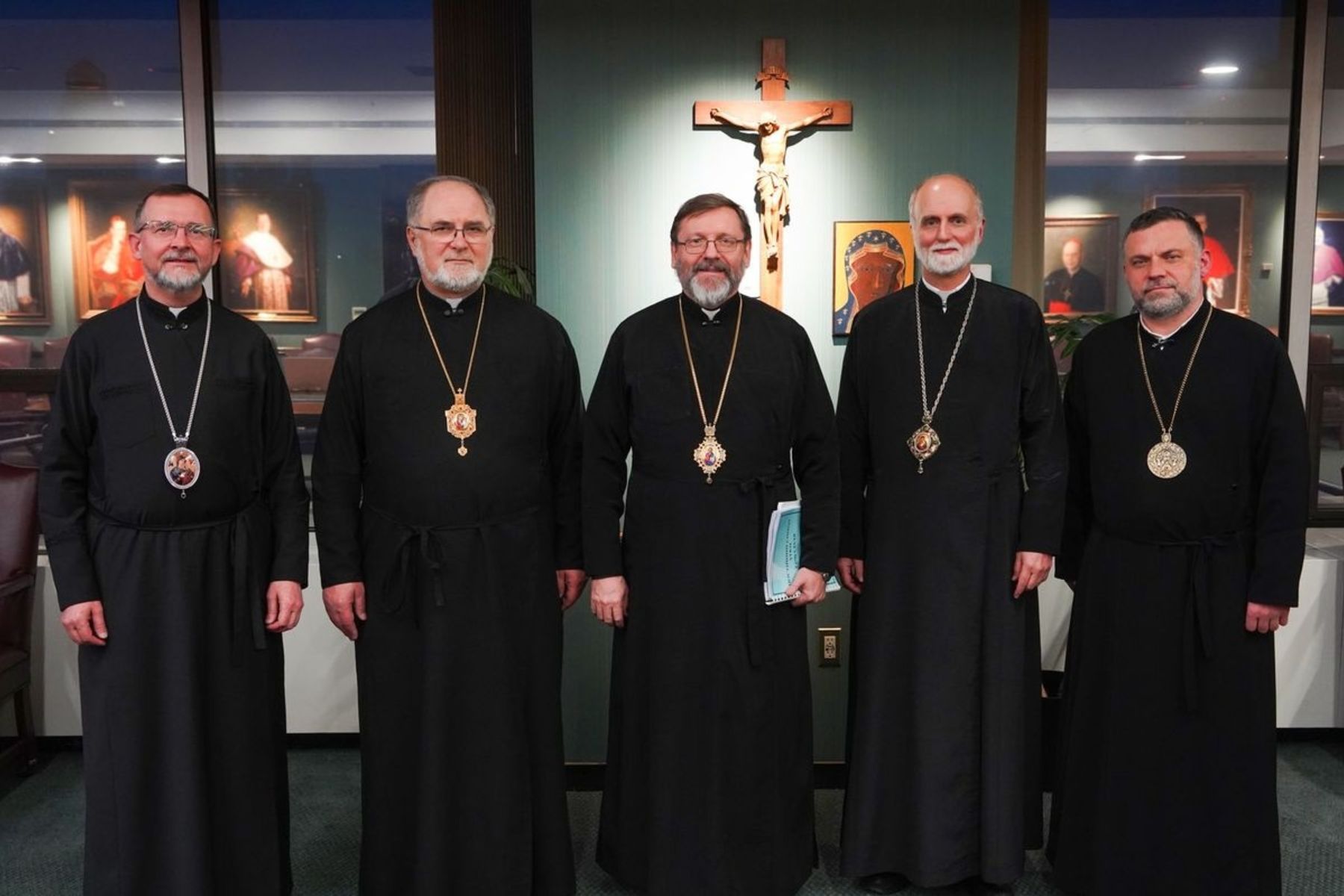
This was reported by the press office of the Secretariat of the Synod of Bishops of the UGCC.
“As early as next week, for the first time in the history of the Church in Spain, we will convene a Permanent Synod of Ukrainian bishops, who are coming from different countries around the world to work, pray, reflect on the future, and learn to be a Church present among its people,” said His Beatitude Sviatoslav during his homily at the All-Spanish Pilgrimage of Ukrainians to the Cathedral of St. Mary of Almudena. This became possible thanks to the invitation of the Ordinariate for Eastern Catholics in Spain and the organizational efforts of the team of the Pastoral and Migration Department of the UGCC.
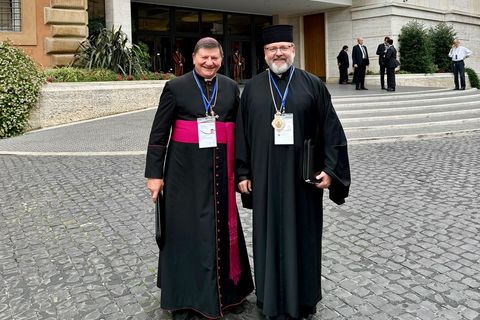
The working sessions are being led by His Beatitude Sviatoslav, Father and Head of the UGCC. Participating in the Synod’s work are Bishop Borys Gudziak, Archbishop and Metropolitan of Philadelphia; Bishop Volodymyr Yushchak, Bishop of the Wroclaw-Koszalin Eparchy; Bishop Josafat Moschych, Bishop of the Chernivtsi Eparchy; and Bishop Bohdan Dzyurakh, Apostolic Exarch for Ukrainians of the Byzantine Rite in Germany and Scandinavia. The secretary of the meetings is Bishop Andriy Khimyak, Secretary of the Synod of Bishops of the UGCC.
Also taking part in the meeting is Bishop Stepan Sus, head of the Pastoral and Migration Department of the UGCC, who, together with the Ordinary for Eastern Catholics in Spain, Cardinal José Cobo Cano, Archbishop of Madrid, and his Vicar General, Fr. Andrés Martínez Esteban, oversees the clergy and faithful of the UGCC in Spain.
The first working session will take place today, May 25, following the arrival of all members of the Permanent Synod in Madrid. The agenda for the opening day includes an overview of the progress made in implementing the decisions of the previous session, as well as a discussion on preparations for the 2026 Synod of Bishops of the UGCC.
The following days of the Permanent Synod’s work will include discussions on a wide range of topics, including the situation in Ukraine, pastoral care for vocations to the priesthood and religious life, youth ministry, the work of the Pastoral and Migration Department, external church relations, and the further development of the UGCC’s church structures.
In addition to the working sessions, the program also includes important meetings and public events. In particular, members of the Permanent Synod will meet with the President of the Spanish Episcopal Conference, Archbishop Luis Javier Argüello García of Valladolid, and Cardinal José Cobo Cano, Archbishop of Madrid and Ordinary for Eastern Catholics in Spain. They will also visit the Embassy of Ukraine in Spain and meet with Yulia Sokolovska, Ukraine’s Ambassador Extraordinary and Plenipotentiary.
Among the events of the opening day is the presentation of His Beatitude Sviatoslav’s book in Spanish, Crónica de una guerra sacrílega, which will take place on the evening of May 25 in Madrid.
Speaking recently in an interview with the Catholic weekly Catalunya Cristiana about the Ukrainian community in Spain, His Beatitude Sviatoslav noted Ukrainians’ anticipation of the arrival of the bishops of the Permanent Synod.
“[Our] people need to maintain a connection with their Mother Church. That is precisely why they view our visit as something vitally important. They are well integrated, speak Spanish, but cannot lose their own identity. Our vision for pastoral ministry to our people in various countries around the world is to promote integration—yes—but not assimilation. They have much to share with Spanish Catholics: their spirituality, their faith, their hope, their love. Our Eastern Christian tradition can help Latin Catholics deepen their appreciation of their own faith in the context of widespread secularization,” noted the Head of the UGCC.
The UGCC Department for Information