“The Monastery Is No Refuge from the World”: On Vocation, Ministry, and Life at the Heart of Human Reality
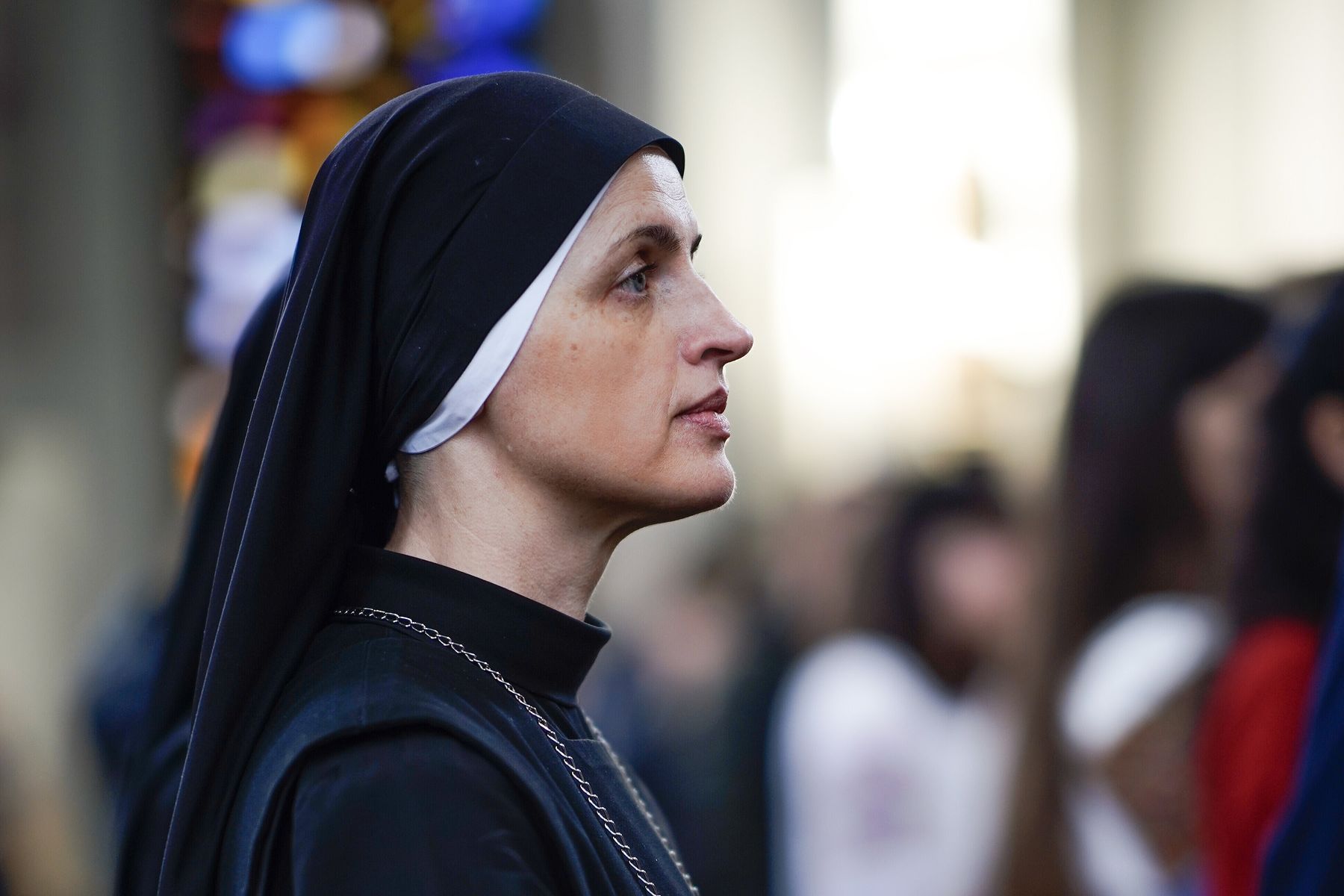
The central theme of the 2026 Synod of Bishops of the Ukrainian Greek Catholic Church is “The Pastoral Care of Vocations to the Priesthood and Religious Life.” Continuing our series on priestly and religious vocations, we invite you to meet Sister Veronika, a member of the Servants of the Lord and the Virgin of Matará. In this interview, she reflects on her vocation to religious life, the mission of a consecrated woman, and her ministry within the parish community.
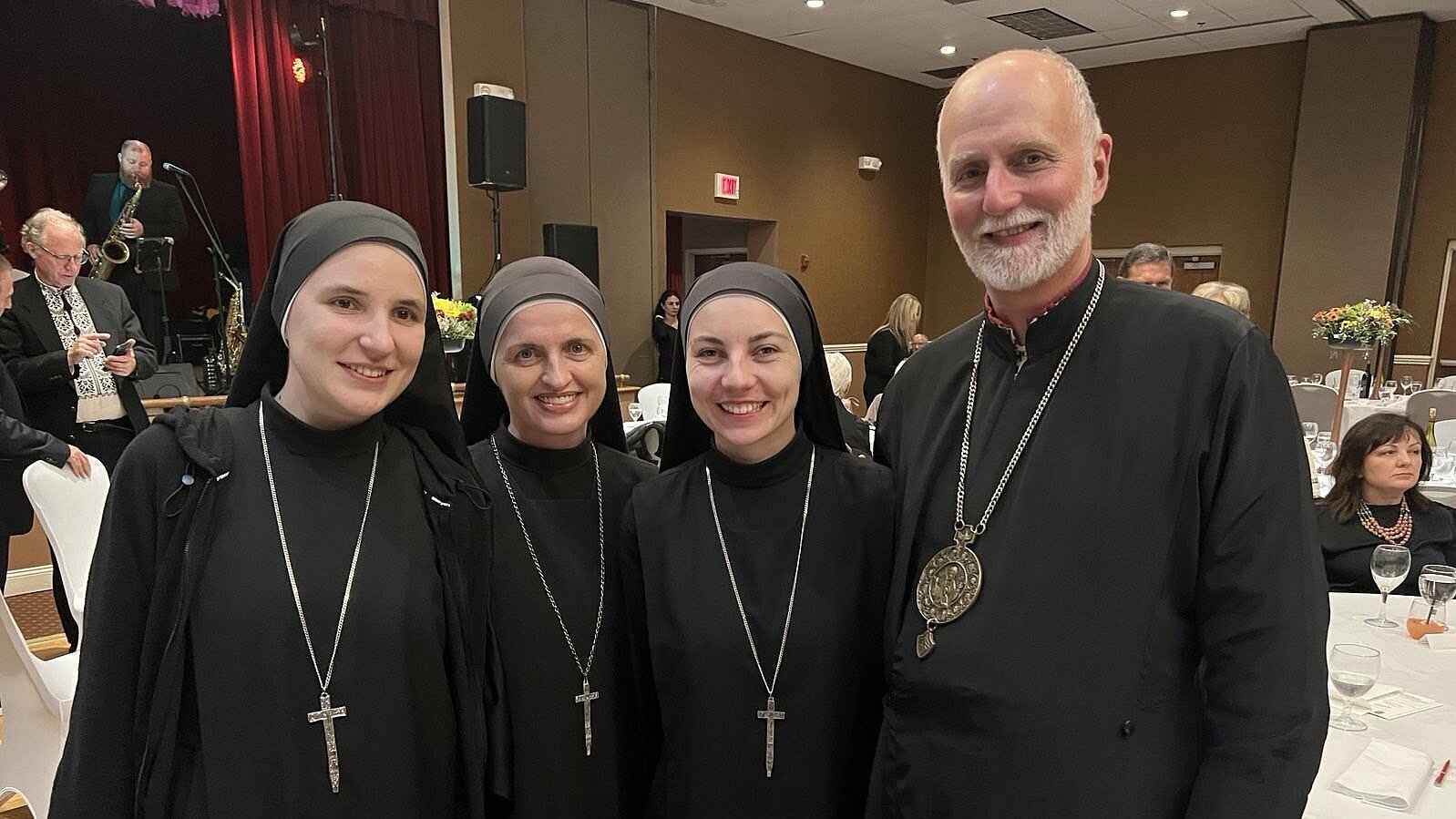
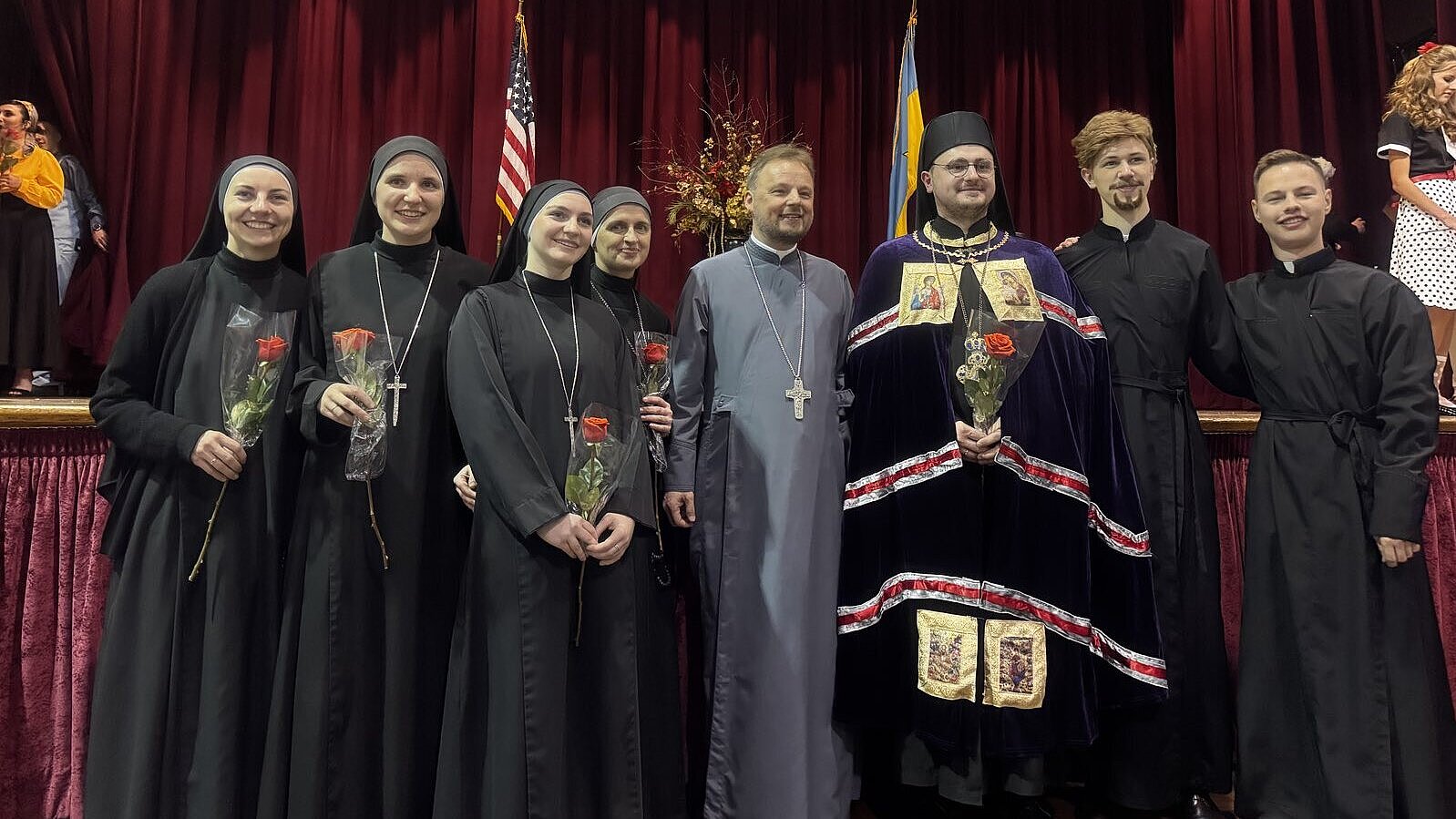
Nearly five years ago, the sisters came to the Philadelphia Archeparchy at the invitation of the bishop. Sister Veronika is convinced that a monastery is not an escape from the world, but a place from which one enters more deeply into the needs, suffering, and wounds of humanity. She understands the vocation of a religious sister as one of offering maternal care, helping people draw closer to God, and becoming a quiet instrument in His hands.
You came at the invitation of the bishop to serve at Assumption of the Blessed Virgin Mary Parish in Perth Amboy. What does your parish ministry involve, and what is the charism of your religious community?
Our community is called the Servants of the Lord and the Virgin of Matará. Our charism is the inculturation of the Gospel — in other words, the evangelization of culture. Just as Jesus Christ came into the world and became incarnate, we, as members of this religious family, are called to go out and bring the Gospel into every sphere of human life. We seek to help people open themselves to the truth of Christ, receive it, and become part of His plan of salvation. For this reason, we serve wherever people are present: in education, family life, schools, the arts, music, and every other expression of culture.
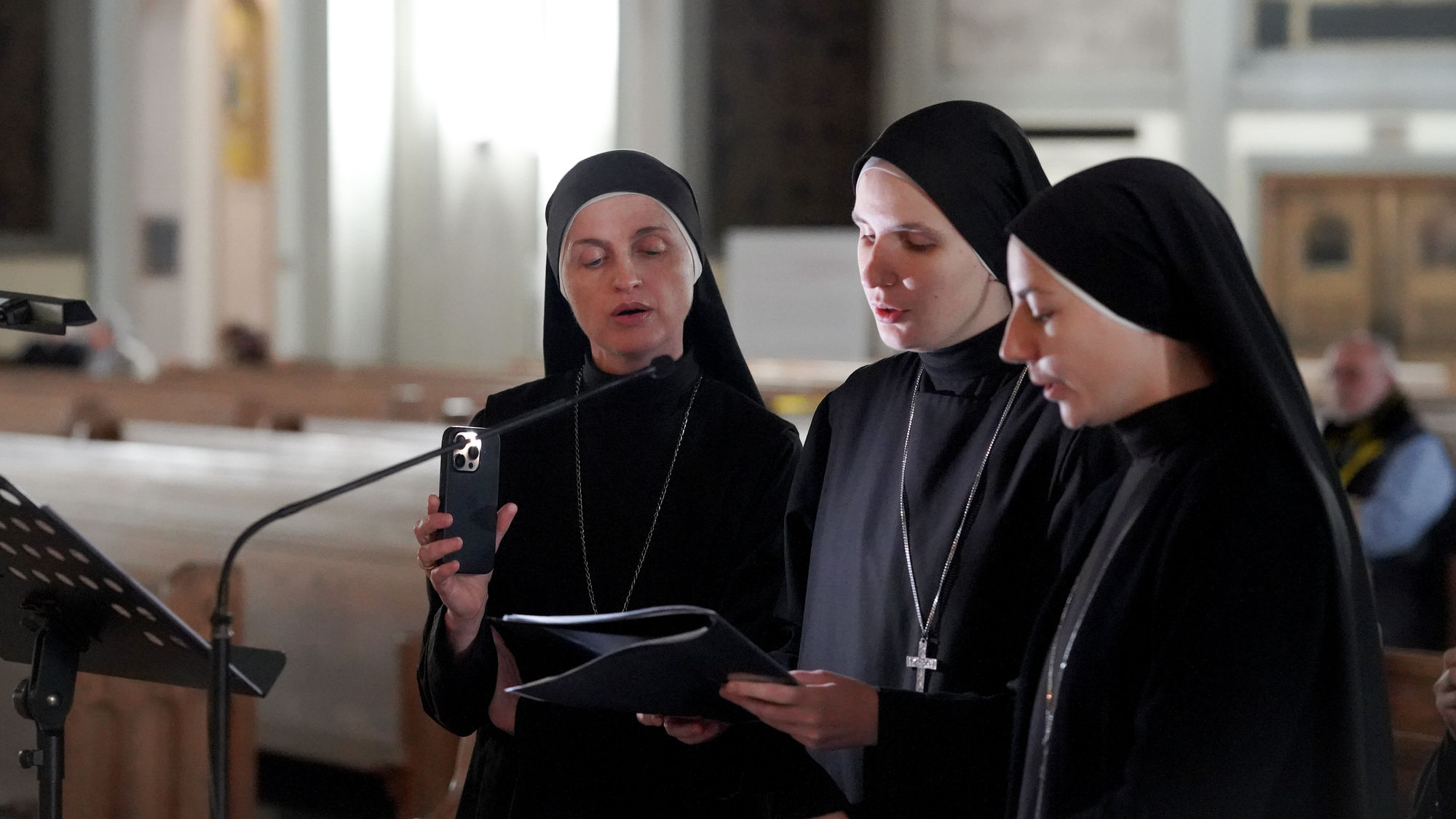
One important aspect of our arrival here is that we came to very fertile ground. We entered an active parish where the pastor, Father Ivan Turyk, had already been serving for many years and had organized a wide variety of parish initiatives. The people were united and had formed a strong community. In that sense, our arrival was easier because there was already a community with whom we could begin working. Together with Father Ivan, we gradually began organizing catechetical groups. At first, there was one age group, but as the number of children grew and their interests became more diverse, we began dividing them into different groups. We also offer various forms of catechesis for women. We involve both children and adults not only in catechetical programs, but also in concerts, orchestras, and singing. We encourage children to take up musical instruments and, of course, organize a Nativity play at Christmas each year. All of these activities help create a vibrant community life and we’re glad to play our small part in it.
The Catholic school is also a significant source of support. It safeguards Christian values while nurturing Ukrainian traditions. Through the tireless work of the pastor and the school principal, the school has continued for many years despite numerous difficulties. It remains a place where Christian values are preserved, catechesis is offered, and various activities are closely connected with the life of the parish.
Throughout history, whenever people have been forced to leave their homeland and settle elsewhere, priests and religious sisters have followed them in order to offer support. In a providential way, the same happened with us. We arrived six months before the war began. God gave us that time to come to know the people so that we would already be there for them.
How do you understand the respective roles of a priest and a consecrated woman within a parish?
A priest is a spiritual father to all his parishioners. He knows their suffering, their needs, and their joys, and he shares in their wounds. A religious sister is called to support both the priest and the faithful through maternal care, concern, and service.
What do you consider one of the most important responsibilities of a religious sister in a parish?
I believe that one of the most important responsibilities of a religious sister is to lead people to the priest. We desire the salvation of every person and seek to help them attain it. No one can be saved without the priestly ministry. Even a religious sister cannot be saved without a priest, because she too must come to him to receive the Holy Mysteries — to go to Confession and receive Holy Communion — as well as to have a spiritual conversation or receive spiritual guidance. Religious sisters often become the link that helps bring a person to the priest. That is the most important thing. Ultimately, all the activities organized within a parish are directed toward this same purpose: to lead people to the priest and, through him, to God. Saint Alphonsus Liguori said that nothing is more pleasing to God than the salvation of souls, since nothing else carries such eternal worth.
Our work might be compared to that of a soccer ball in a match — simply an instrument used to score the goal. In a similar way — understood in a positive and profound sense — God uses a religious sister as an instrument through which He accomplishes His good purposes. Therefore, a sister should not attribute every achievement to herself. God may speak through her; her task is simply to be in the right place at the right time. Yet everything happens through God and for His glory. I believe that a religious sister should do a great deal of work while remaining largely unseen. She should accomplish much, but do so quietly and without drawing attention to herself, for the glory of God.
 Read also:
“Follow me!” (Mark 2:14). Pastoral Letter of the 2026 Synod of Bishops of the Ukrainian Greek-Catholic Church
Has religious life turned out to be what you imagined it would be?
Of course not. I do not think that any story or film — especially a fictional one — can truly portray what religious life is like, because it is such a deeply personal experience. At every stage, a religious sister continues to grow spiritually, and her inner life changes. Each stage brings its own trials and challenges.
It is impossible to draw a diagram of religious life or create a fixed structure and say that it will unfold in one particular way. Religious life is highly unpredictable in the trials it presents. We are soldiers of Christ. We go wherever the Church most needs our service, and we do what is necessary — not necessarily what we imagined ourselves doing when we first entered religious life.
Some sisters may change diapers in a home for the elderly. Others may teach children music, work in a school, or organize parish concerts. There are countless forms of service. So, of course, religious life has not turned out to be what I imagined.
What was your greatest discovery after entering religious life?
One of the things I discovered after entering religious life is that when a sister professes her vows — especially her perpetual vows of chastity, obedience, and poverty — even the simplest task, when carried out in a spirit of obedience and religious vocation and with great love for God, has profound merit before Him. Everything a religious sister does with love is pleasing in the eyes of God. It does not matter whether she is praying, sweeping the floor, preparing food for someone, building churches, or holding an important position. When she professes her vows and makes a lifelong promise before God, her actions acquire a particular spiritual value in His eyes. These merits may help bring about someone’s conversion, while God Himself determines how they are to be used.
In addition to the three traditional vows, our community also has a fourth vow to the Blessed Virgin Mary. We entrust everything we have to the Mother of God because she is the shortest path to the Heart of Jesus. We have a special devotion to the Mother of God and pray the Rosary every day. For me, this was a beautiful discovery — one that I continue to understand more deeply.
What are the greatest fears that prevent young people from responding to God’s call?
I think young people experience many fears, but I would especially emphasize the fear of making a definitive choice — a choice that will last forever. They are afraid of making a final and irreversible decision. Contemporary culture is often marked by temporariness. Young people fear closing doors on their future or making a choice that they believe will limit their freedom for the rest of their lives. They often see a vocation not as a path toward the fullness of freedom, but as a restriction of their individuality and their opportunities for self-fulfillment. Society presents other models of success: a career, financial security, the possibility of achieving everything quickly, and emotional satisfaction. Within that context, our way of life may seem strange.
Another reason is a superficial knowledge of Jesus Christ. A vocation is, above all, a response to God’s personal love and His personal invitation. It is a dialogue between the human soul and God. No one else can intrude on that dialogue, although others can help someone develop a deeper relationship with God. The decision itself, however, remains between the soul and God. God chooses whom He calls, while the person must decide whether to respond with a yes.
When a young person does not have a deep relationship with God, he or she relies only on personal strength — and recognizes that this strength is limited. This also gives rise to fear. But if God is the One who invites and calls, He is also the One who helps a person persevere and provides every grace that is needed. A person must simply ask each day for perseverance and truly desire to remain with Him.
God does not want to act against the human will. No one wants to be loved conditionally, or by force. Neither does God. In my view, this is one of the main obstacles and one of the principal causes of fear when facing such a decision. These fears can be overcome through prayer and the spiritual guidance of experienced confessors and spiritual directors. They can help a person discern a vocation, place greater trust in God, and understand that a vocation is not a burden, but an extraordinary gift—one that God does not give to everyone.
Should someone tell a young person directly that he or she may have a vocation to consecrated life?
One should not approach the matter too directly or simply say, “I can see that you have a vocation.” Everything depends on the particular situation, the person’s character, and the family. One must consider the harm that could be caused by saying something to a child when the parents may be strongly opposed. It is all very delicate.
The situation in Ukraine is somewhat different. There, when you clearly recognize signs of a vocation, you might ask, “Have you ever thought about a vocation to religious life?” Even then, however, you need to know the person, the family, and the surrounding circumstances very well. Here, such a question can be asked only very rarely.
What would you say to a young woman or man who is afraid to make the decision to enter religious life?
I am certain that when a young woman or man responds positively to God’s call to consecrated life and, with God’s help, perseveres in that vocation until the end of life, that person will eventually understand that no better decision could ever have been made.
Is a monastery an escape from the world?
In my view, a monastery is not an escape from the world at all, nor is it a way of hiding from its difficulties. On the contrary, consecrated men and women remain at the very heart of human reality, but they learn to see it through the eyes of God. They become, in a sense, an antenna that receives the pain, needs, and wounds of the world and brings them before the face of God.
A monastery cannot be an escape, because escape is a form of weakness. The true purpose of consecrated life is not to avoid reality, but to look at it more deeply. Consecrated life requires maturity and the courage to face the truth. It is not an escape, but a form of service — a way of remaining close to people and helping them each day.
Interview by Halyna Vasylytsiaukrcatholic.org