“Don’t Stop Searching for the Truth!”: Bishop Bohdan Dzyurakh Meets with Ukrainian Youth in Dresden
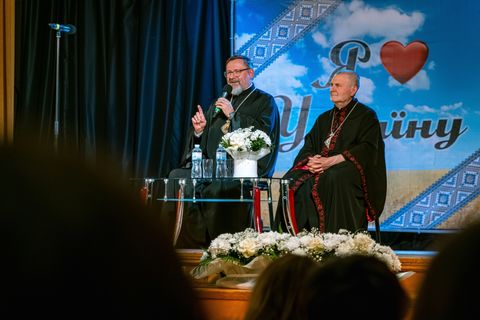
On June 13–14, the Youth Convention of the Apostolic Exarchate for Ukrainians of the Byzantine Rite in Germany and Scandinavia, titled “In the Footsteps of Blessed Edigna,” took place in Dresden. One of the central events of the forum was an open meeting between young Ukrainians and the Apostolic Exarch, Bishop Bohdan Dzyurakh, during which participants had the opportunity to speak about faith, vocation, prayer, the life of the Church, and the challenges facing the Church today.
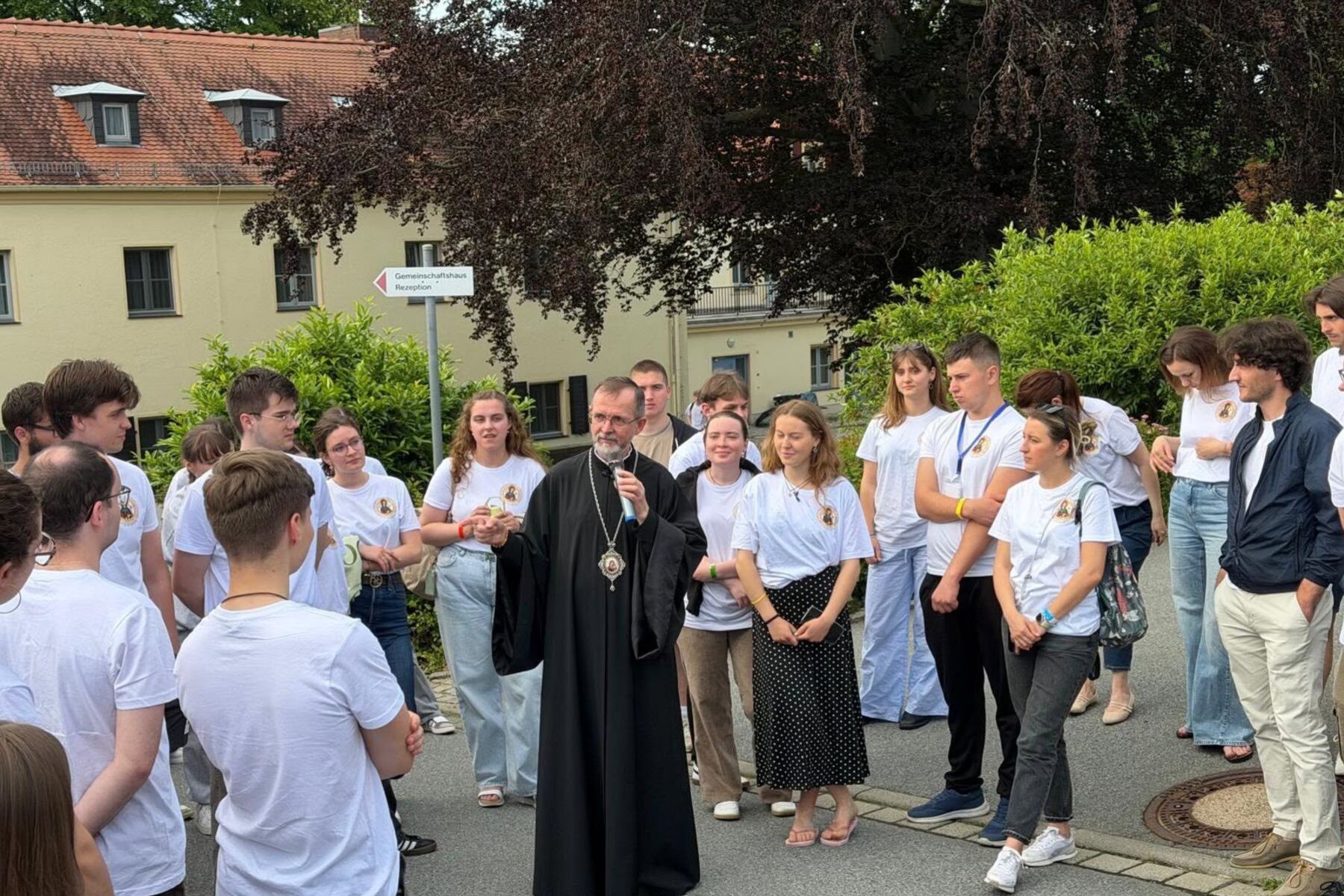
This was reported by the press office of the Apostolic Exarchate in Germany and Scandinavia.
At the beginning of the meeting, Bishop Bohdan recited Saint Pope John Paul II’s address to Ukrainian youth, delivered during the pontiff’s pilgrimage to Ukraine in 2001. The bishop emphasized that the pope’s words remain relevant even a quarter of a century later, as the Ten Commandments continue to serve as a trustworthy compass amid social change and moral challenges.
Saint John Paul II called on young people to “go against the current,” to defend God’s law, and to build a free and democratic society. He also reminded them that every person is “a word of God’s love,” created out of love and for love, and that the search for truth is a response to God’s call.
Expanding on the ideas of the papal address, Bishop Bohdan emphasized the importance of forming a mature and responsible conscience that helps not only to discern what is good but also to have the courage to choose it. The bishop called on young people to love the Church as their spiritual family and to entrust themselves to the protection of the Blessed Virgin Mary.
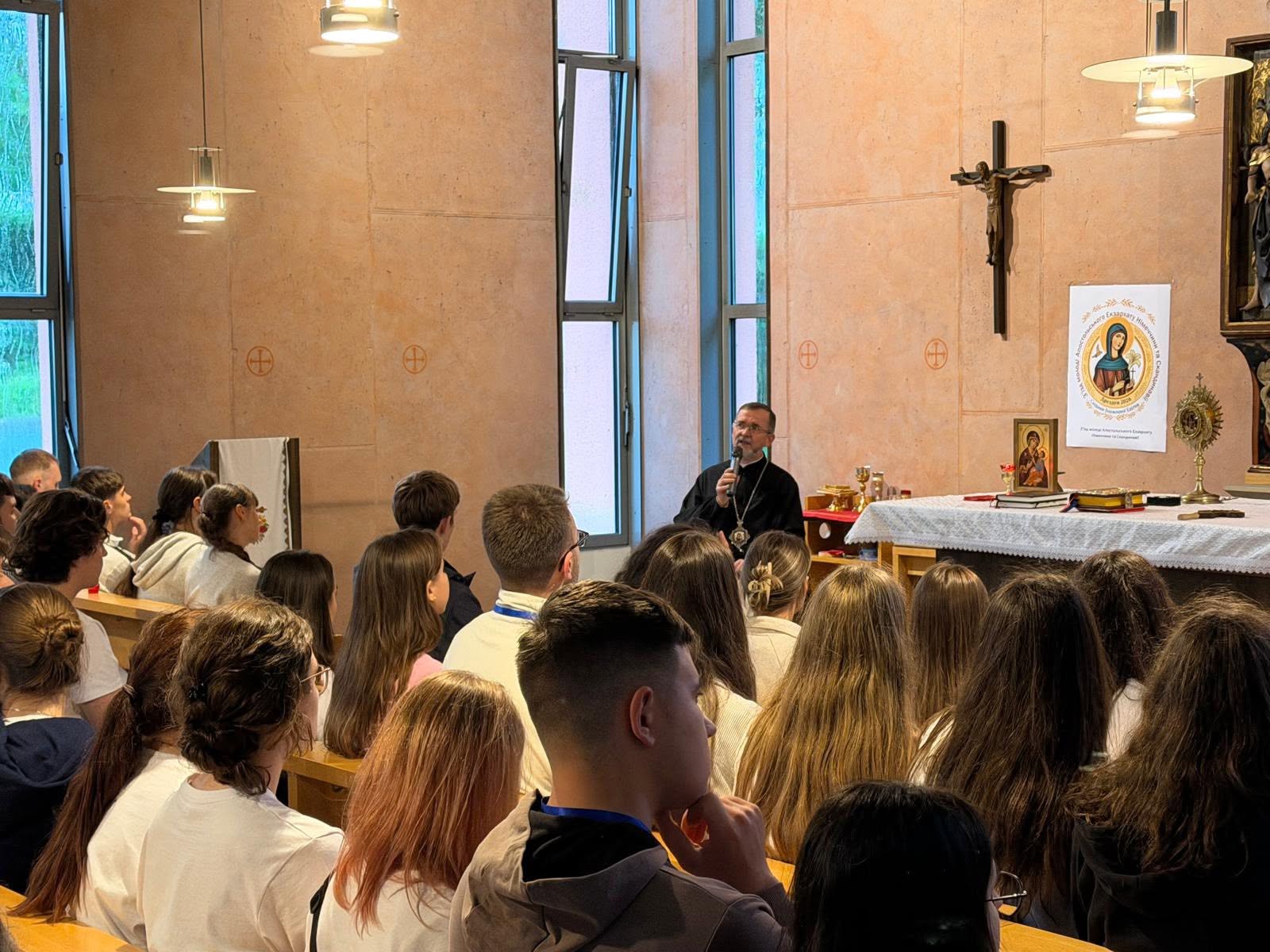
During the conversation, the bishop also spoke about the structure of the Ukrainian Greek Catholic Church and its ministry in the diaspora. In particular, he mentioned the late Blessed Lubomyr Husar, highlighting his contribution to the development of the Church and the restoration of trust in Ukrainian society after decades of communist rule.
Bishop Bohdan Dzyurakh paid special attention to the topic of prayer and participation in the Divine Liturgy. In his words, the Liturgy is not only a person’s ministry to God but also God’s ministry to people, for the Lord nourishes His children through the Word of God and the Holy Sacraments.
The bishop also shared a simple practice of personal prayer, which he described as “a stirring before the tabernacle”—remaining in silence before God and learning to hear His voice amid the clamor of daily life.
Answering a question about witnessing to the faith in the modern world, Bishop Bohdan noted that a Christian is called not so much to convince others with words as to bear witness to Christ through his or her own life.
“Being kind, honest, responsible, and hardworking is already a powerful testimony,” the bishop emphasized.
A significant part of the meeting was devoted to the topic of vocation. Bishop Bohdan noted that a vocation is born in a person’s heart, and that prayer, listening to the Word of God, and inner silence help one discern it.
Sharing a personal experience, the bishop recalled an instance from his service in the Soviet Army when he heard a call never to stop searching for the truth. Those words became one of the driving forces behind his spiritual journey.
The young people also asked about discerning God’s will and the struggle against sin. Bishop Bohdan emphasized that trust in God does not preclude personal responsibility and persistent efforts to improve oneself.
Speaking about the Sacrament of Confession, he urged the young people not to lose hope after falls and to accept God’s mercy as the gift of a new beginning.
The participants also raised the topic of difficult relationships with their parents. The bishop encouraged the young people not to dwell on grievances but to entrust their wounds to Christ, allowing God’s love to heal their pain.
“The wounds inflicted by those closest to us hurt the most, and it is God’s love alone that can heal them,” said Bishop Bohdan.
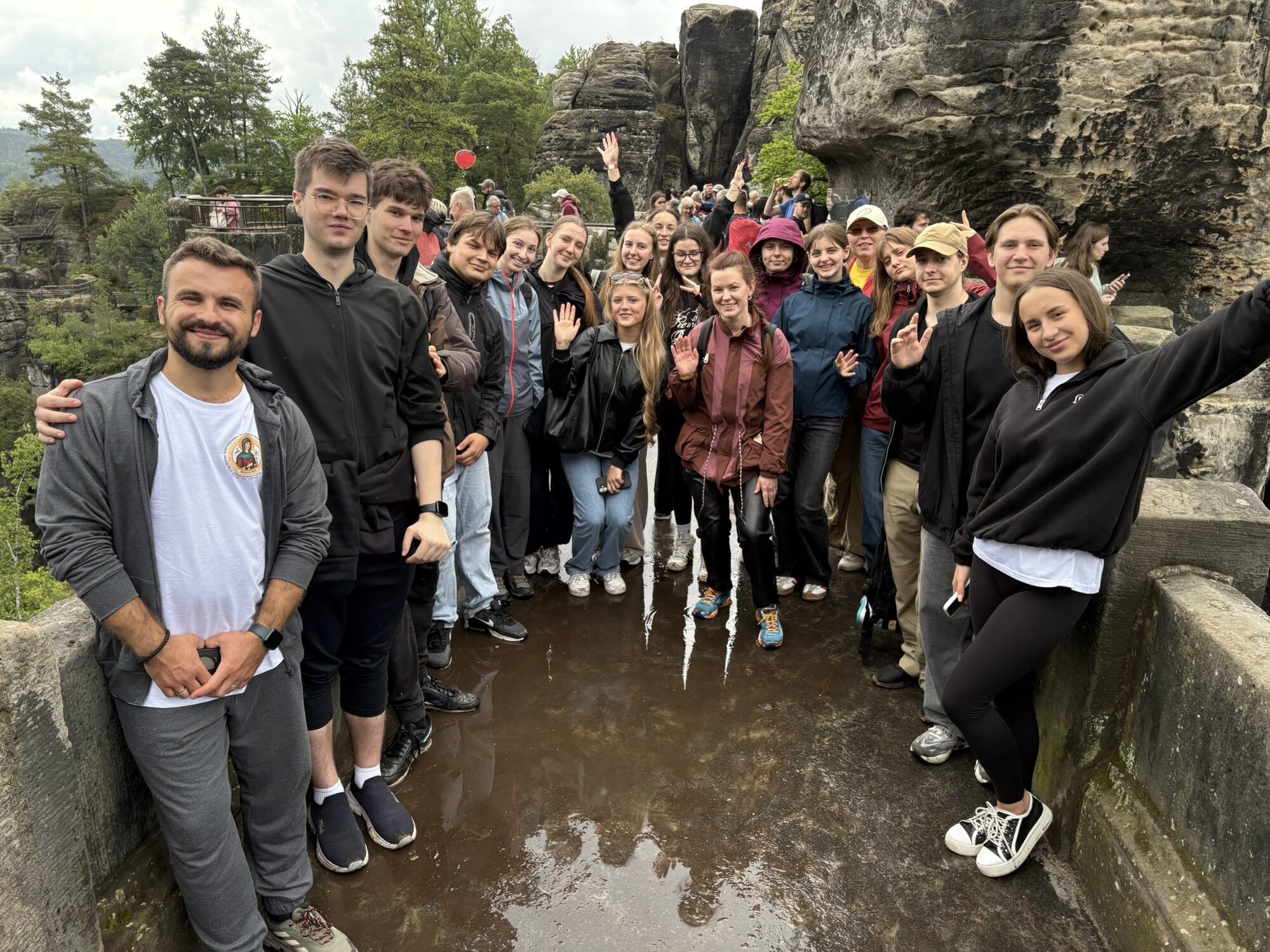
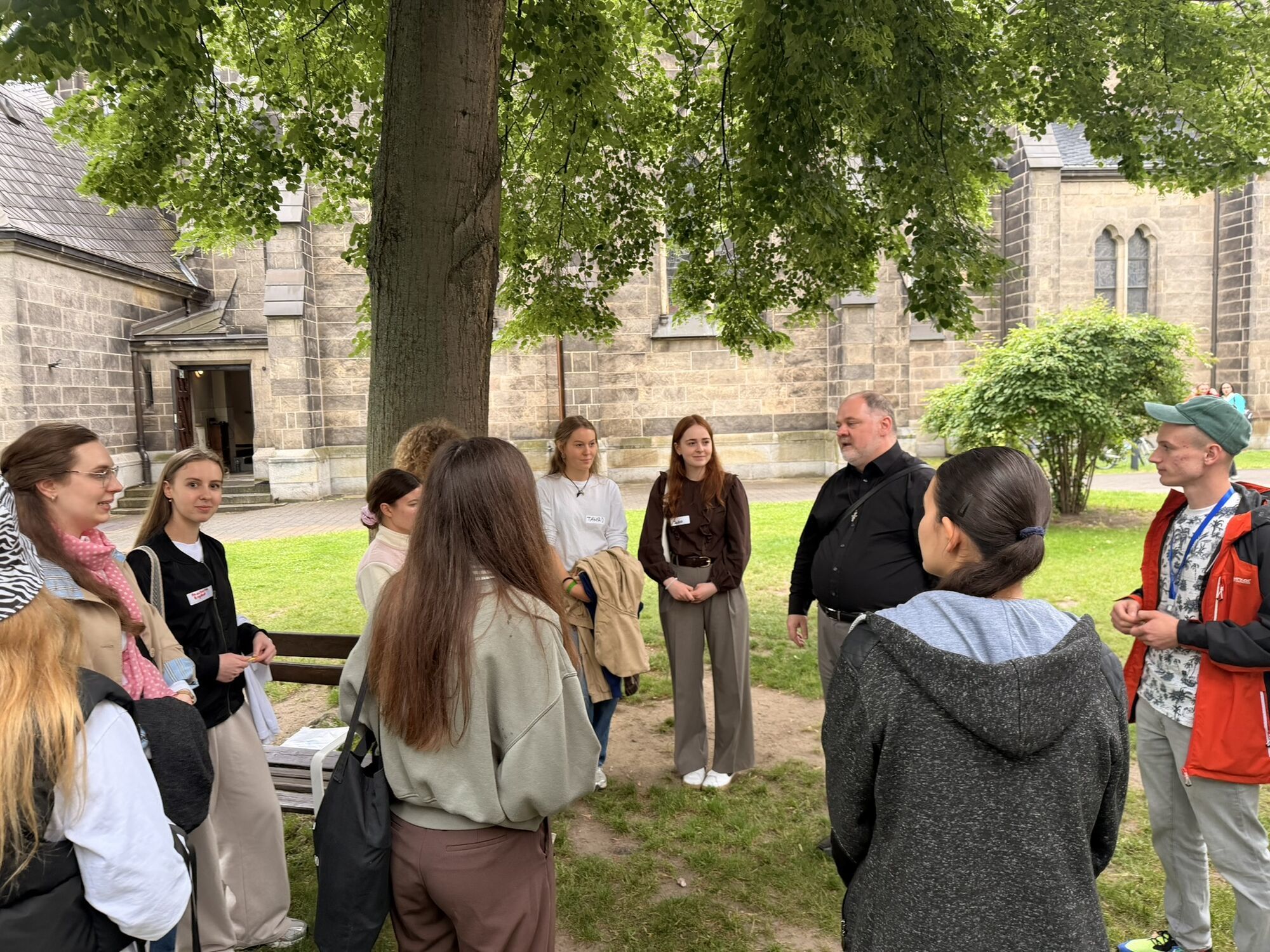
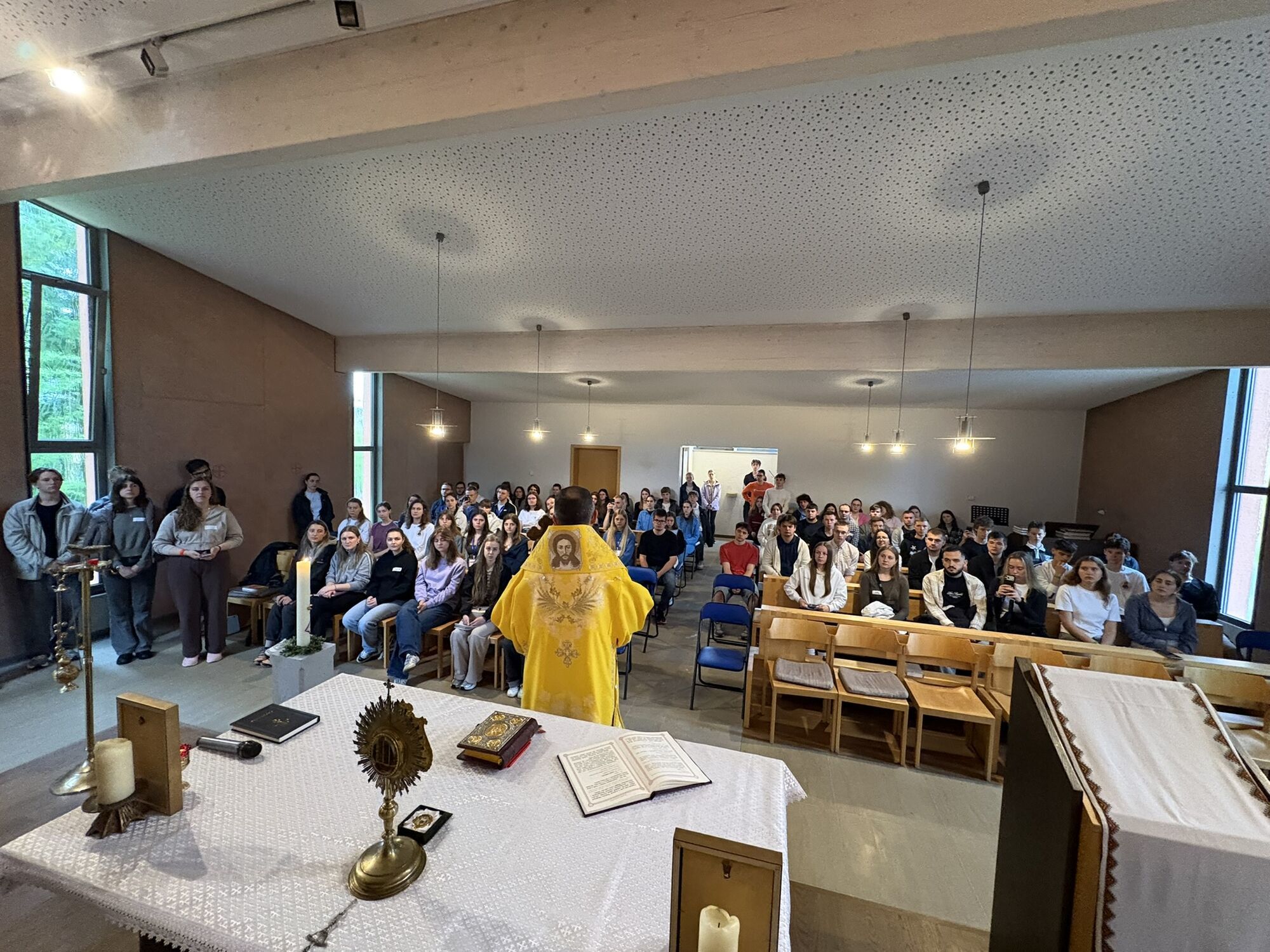
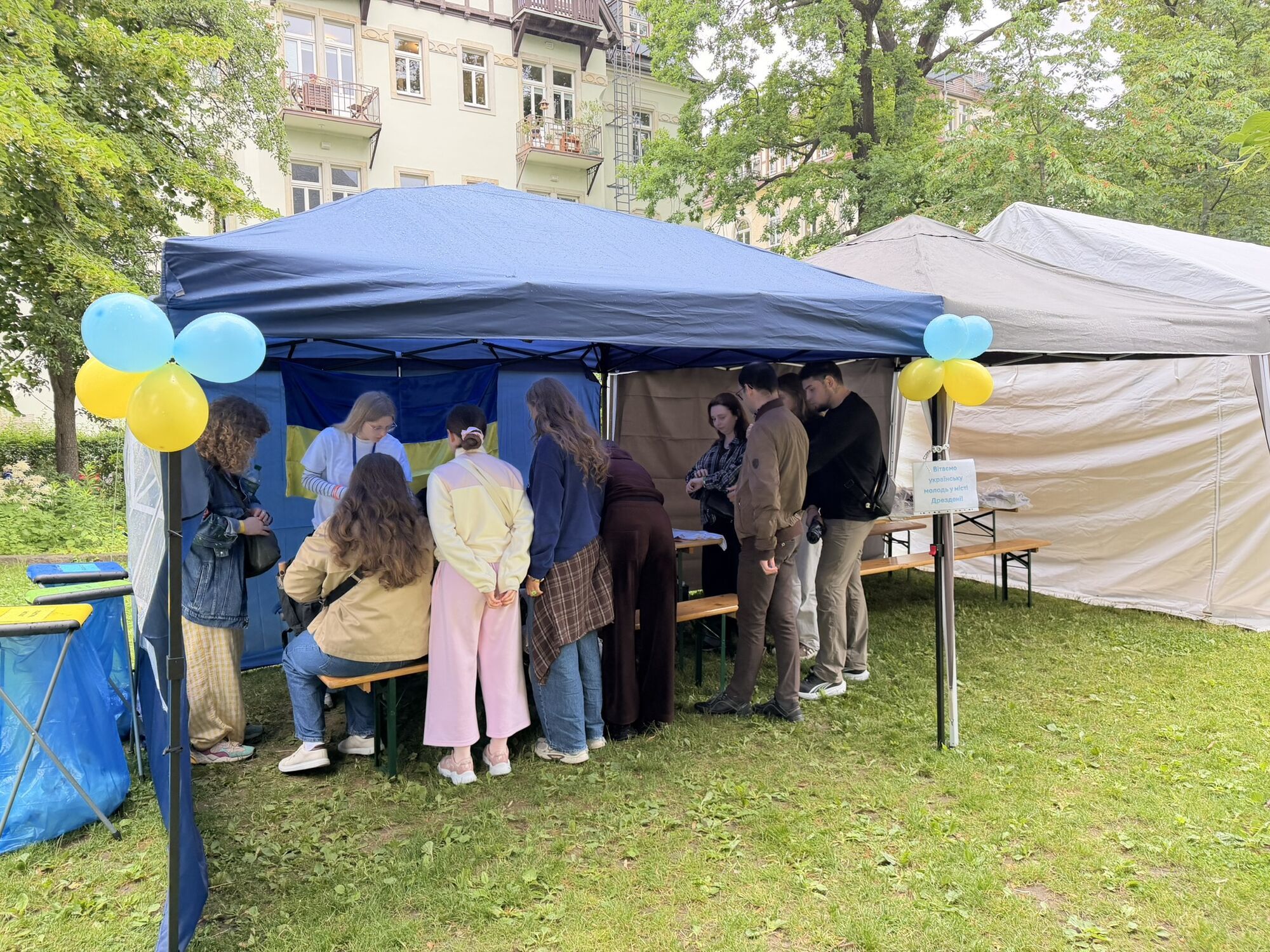
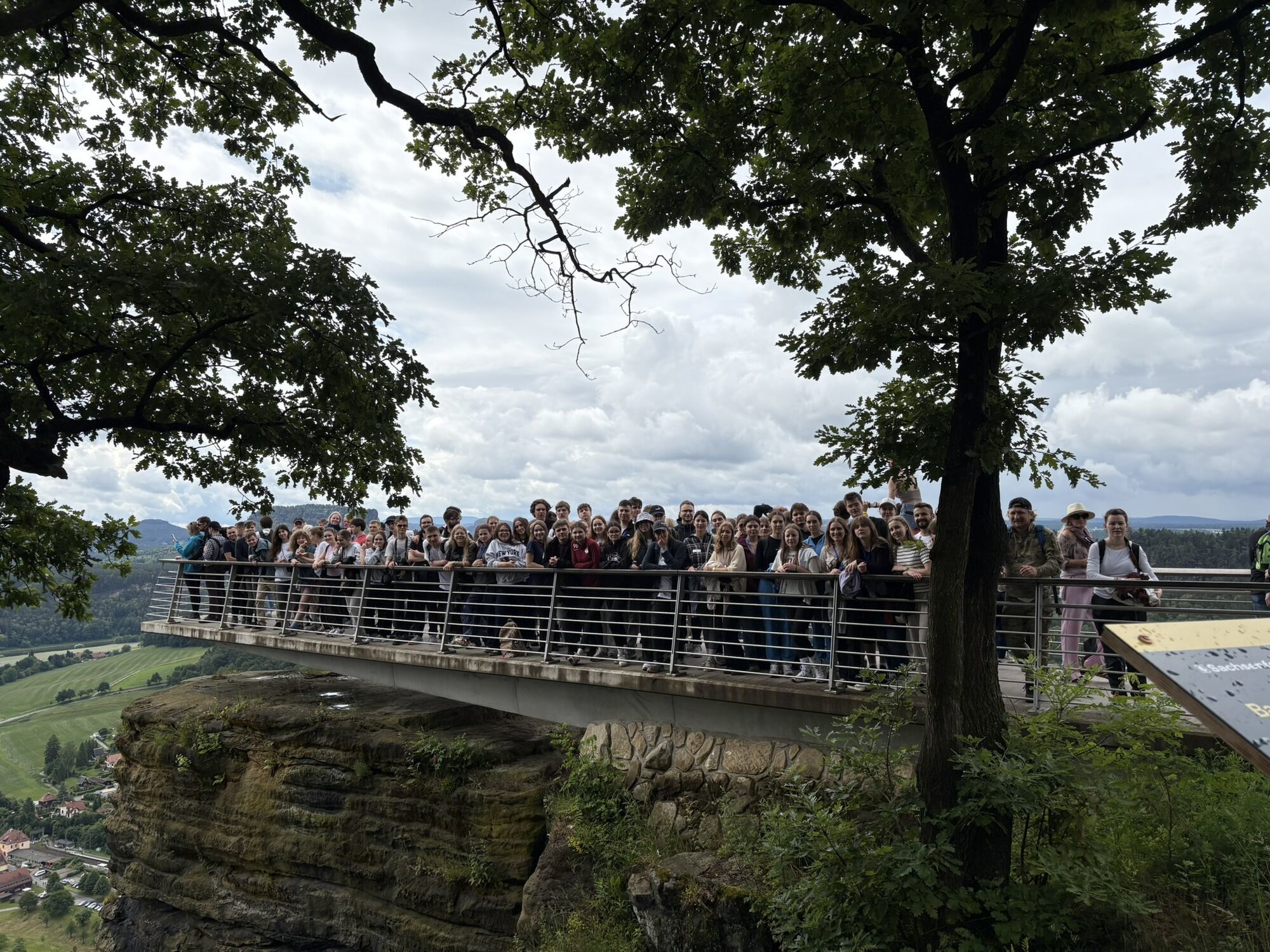
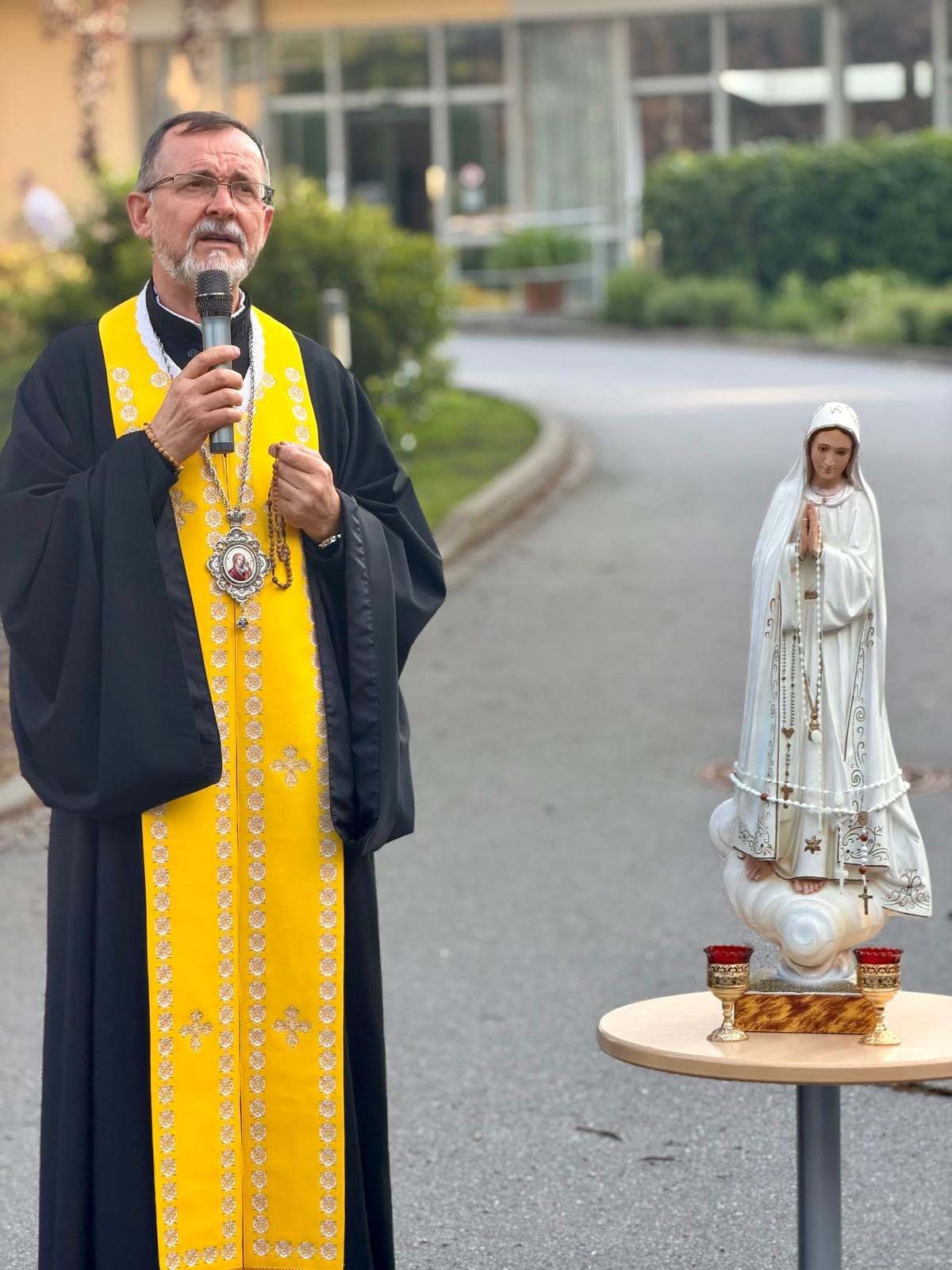
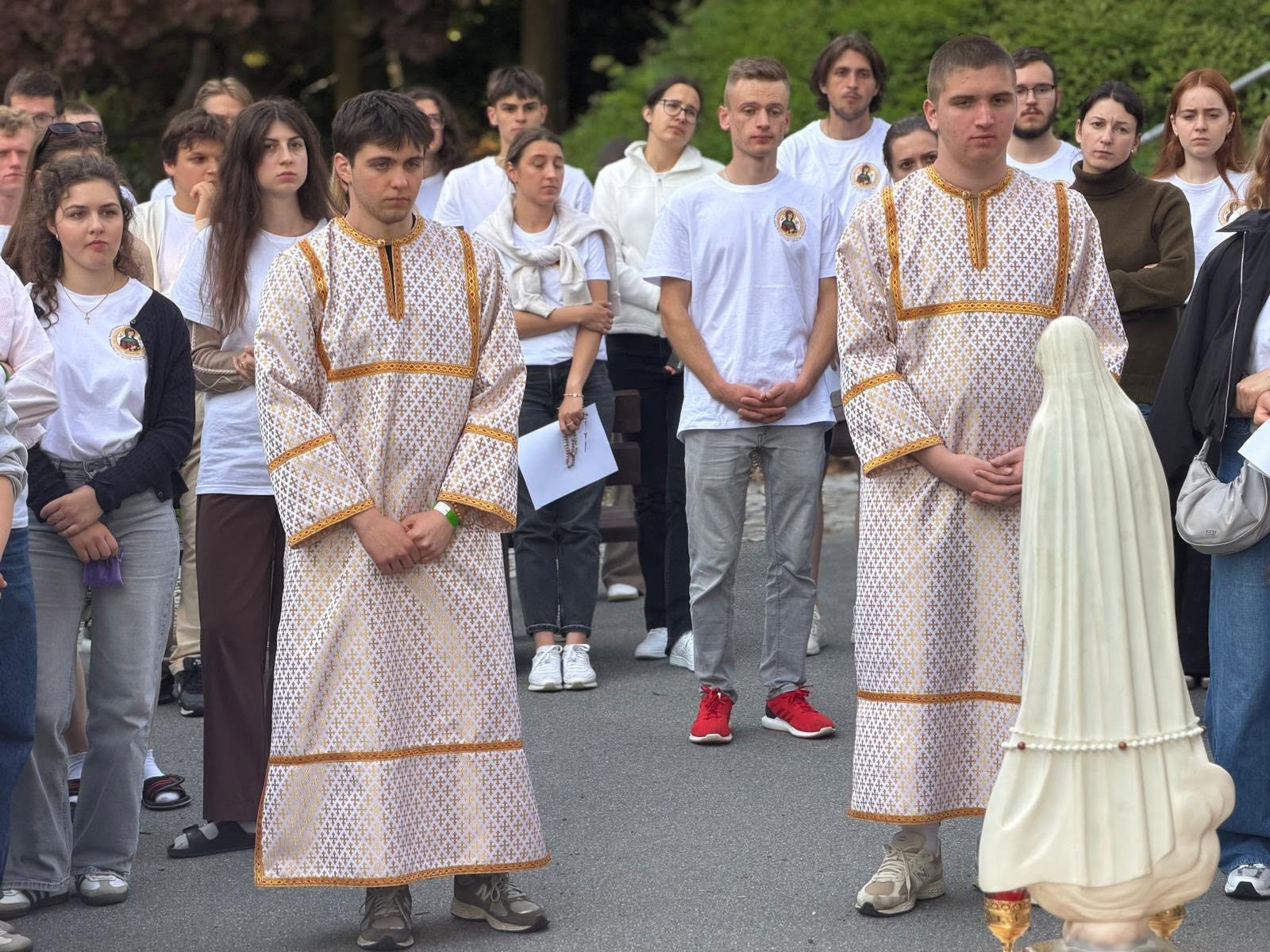
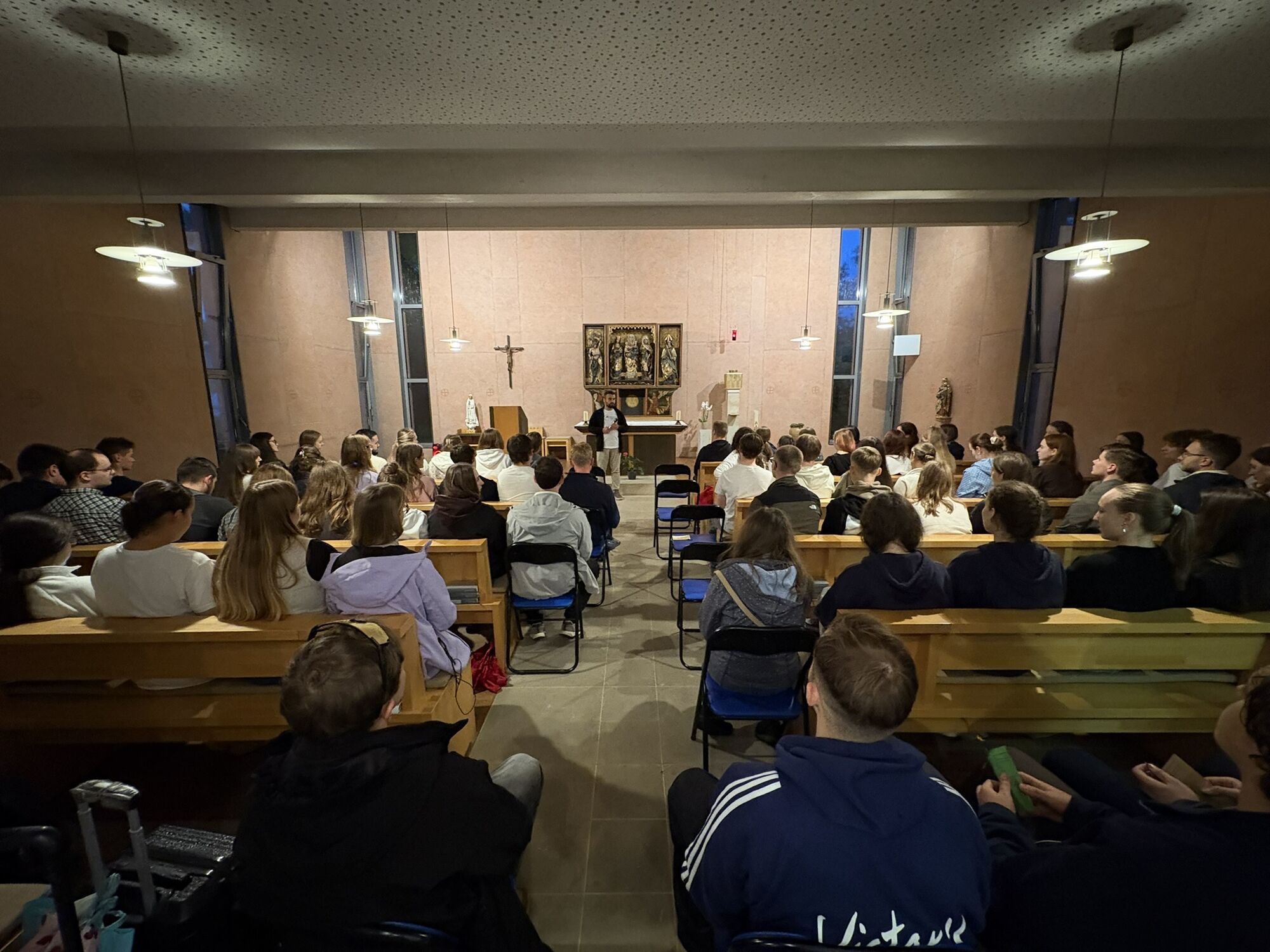
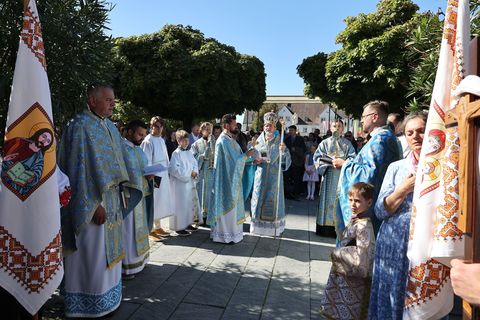
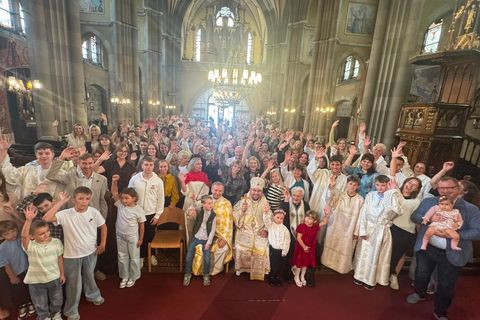
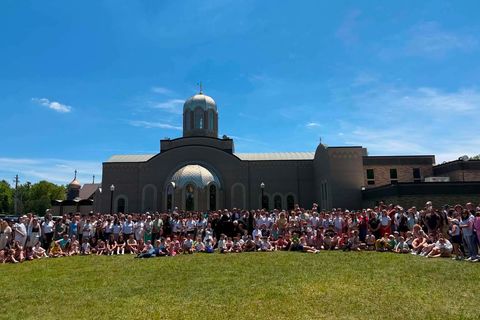
The youth convention in Dresden brought together participants from various cities across Germany and Scandinavia. The program featured the Divine Liturgy, a hiking trip to the mountains, spiritual talks, communal prayer to Our Lady of Fátima, and informal conversations.
During the prayer, the young people entrusted to the Blessed Virgin Mary their intentions regarding vocations, children and youth, the defenders of Ukraine, and the conversion of their enemies.
The UGCC Department for Information