The Ukrainian Greek Catholic Church Without Borders: The Life of Ukrainian Greek Catholics Across Continents
Over the course of a single day, the synodal meetings at the Marian Spiritual Center “Zarvanytsia” became a kind of round-the-world journey. During the working sessions on July 6, the bishops of the UGCC Synod of Bishops learned about the lives of Ukrainian Greek Catholic communities in various countries.
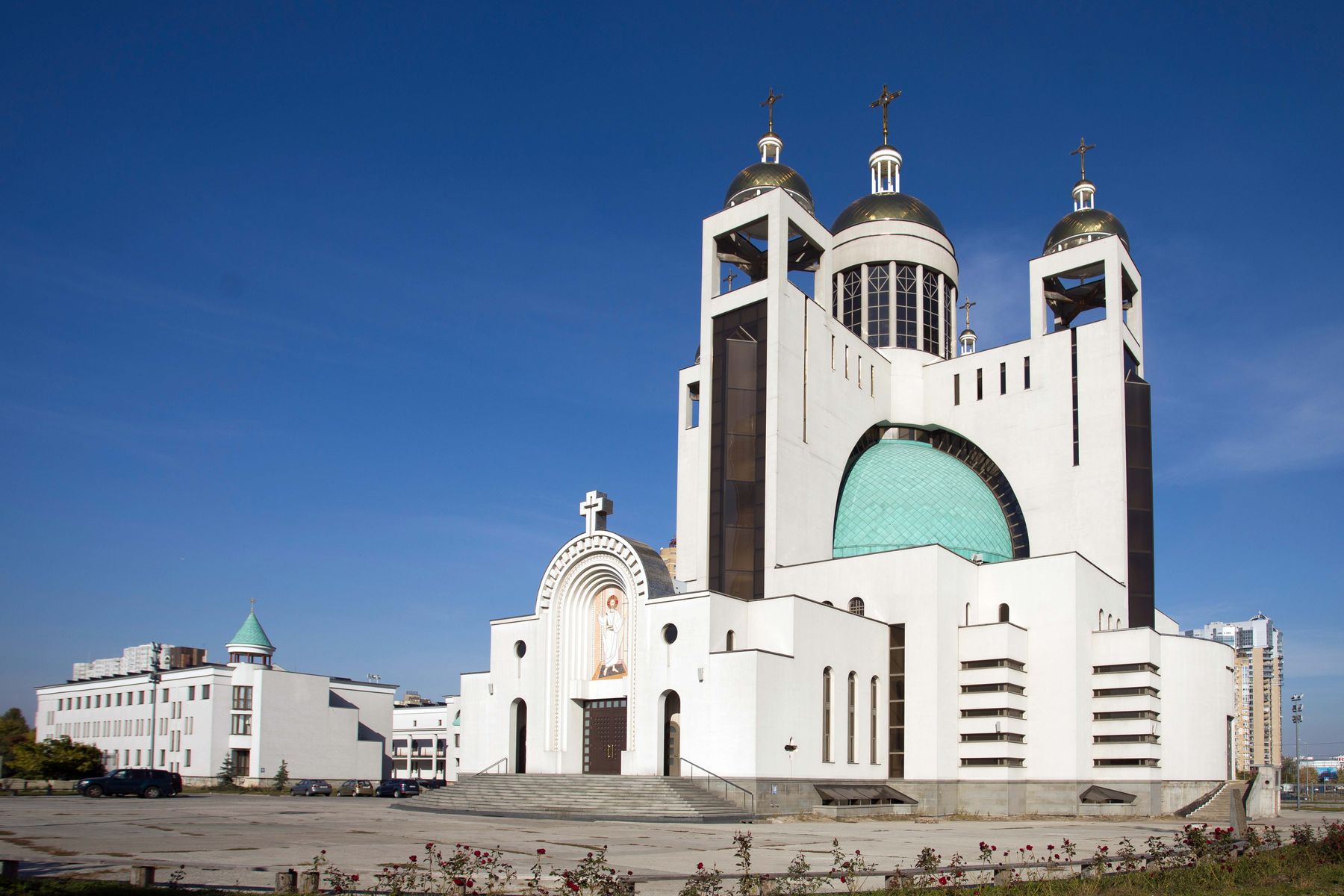
This was reported by the press office of the Secretariat of the Synod of Bishops of the UGCC.
Through the bishops’ reports, the Synod gained a comprehensive picture of the life of the Ukrainian Greek Catholic Church in different parts of the world—from the front-line regions of Ukraine to communities in Australia.
- 11 reports.
- 4 continents.
- Thousands of kilometers separating parishes.
- One Ukrainian Greek Catholic Church.
Ukraine
The bishops of the Synod began their unique journey in Ukraine—with a presentation on the pastoral life of the Kyiv-Halych Metropolia.
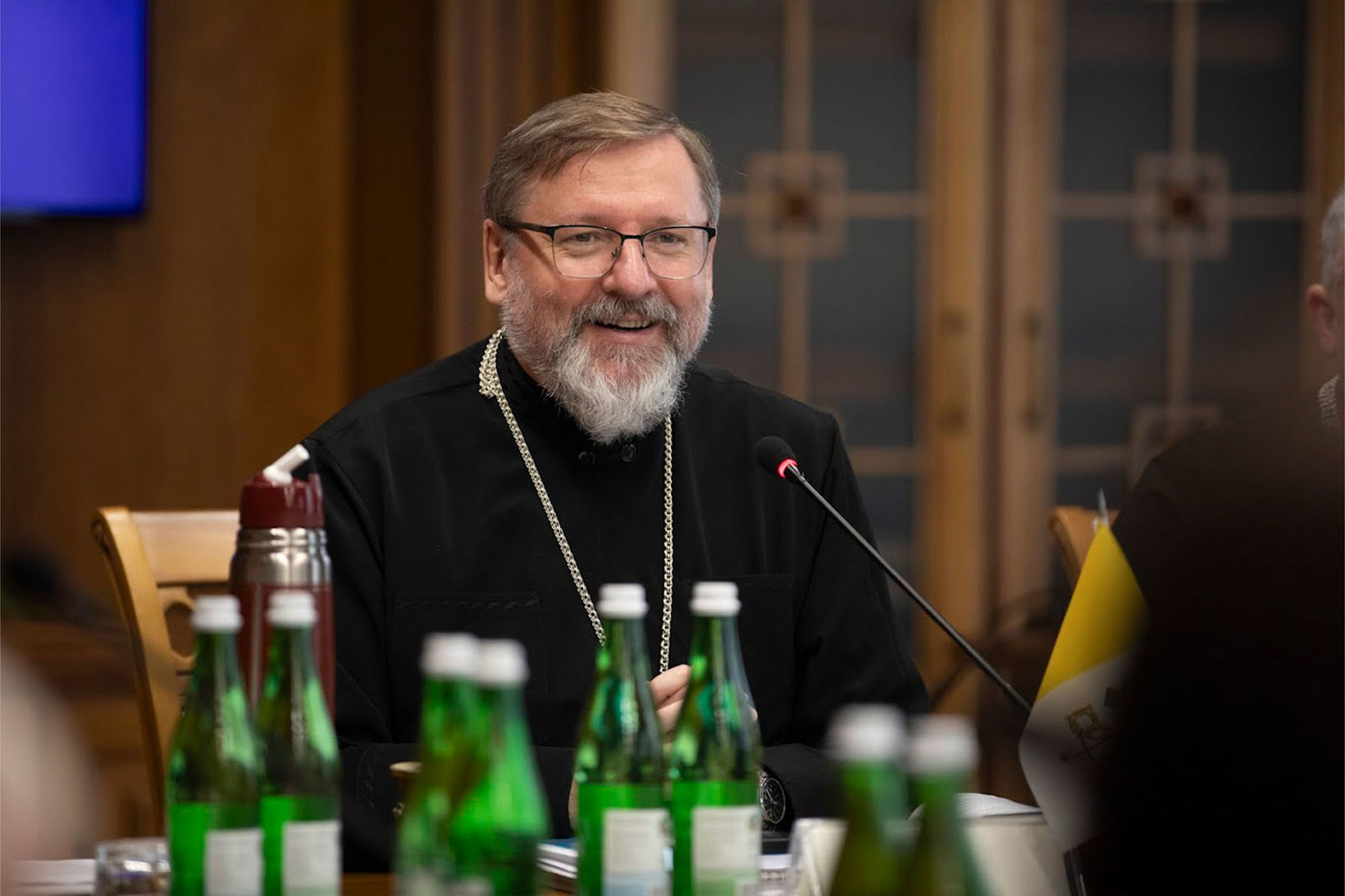
His Beatitude Sviatoslav, Father and Head of the Ukrainian Greek Catholic Church
His Beatitude Sviatoslav, describing the current pastoral situation, noted that this region is bearing the brunt of the full-scale war. Some parishes have been destroyed or suspended regular liturgical services; priests remain in frontline territories; and communities are ministering daily to people who have endured loss, forced displacement, and the trauma of war. Despite this, the Church continues to carry out its pastoral ministry in the Kyiv Archeparchy and the Odesa, Donetsk, Lutsk, and Kharkiv Exarchates, sustaining more than two hundred parishes.
Among the most pressing challenges, the Head of the UGCC pointed to the need for healing among parish communities and individuals—both clergy and laity—who have been wounded by the war. This requires support for the clergy, the development of seminaries, and the strengthening of mutual trust among bishops, priests, and the laity. At the same time, the Metropolia strives to remain a vibrant missionary Church that not only responds to the repercussions of war but also establishes new communities, accompanies people through their most difficult circumstances, and serves as a moral compass for society.
The bishops then focused their attention on the Metropolias of Lviv, Ternopil-Zboriv, and Ivano-Frankivsk. Metropolitan Teodor Martynyuk outlined the region’s main pastoral challenges: a decline in vocations to seminaries and monasteries, and the need to provide spiritual care for members of the armed forces, veterans, and the families of those lost or missing in action. The Church’s response should include the development of family ministry, assistance in discerning vocations, support for the clergy, military chaplaincy, and the creating of spaces for holistic healing of the human person.
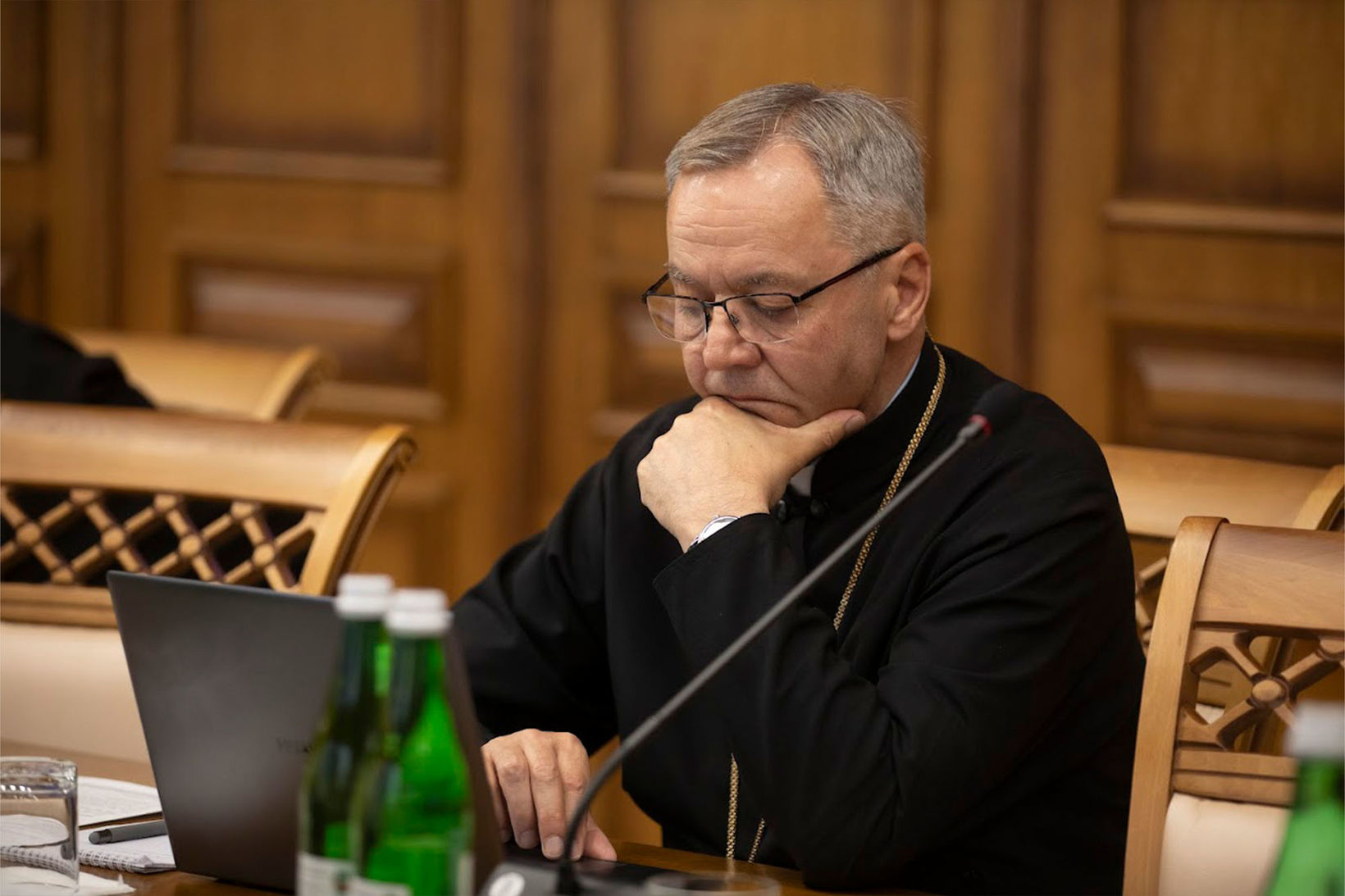
Bishop Eugeniusz Popowicz, Archbishop and Metropolitan of Przemyśl—Warsaw
Western and Central Europe
Poland remains one of the countries with the largest UGCC communities outside Ukraine. Three eparchies serve nearly 75,000 faithful, while also ministering to hundreds of thousands of Ukrainians who arrived after the start of the full-scale war. This has posed new challenges for the Church: integrating newcomers into parish life, providing pastoral care in their new communities, maintaining Ukrainian identity, and educating the younger generation.
In response to these challenges, the Church is developing its catechetical ministry, supporting Ukrainian families, assisting refugees and veterans, strengthening cooperation with the Roman Catholic Church, and seeking new forms of pastoral care.
In Western European countries, the influx of Ukrainians after 2022 has profoundly transformed local communities: the number of faithful has grown, creating a need to open new pastoral centers and develop new models of ministry. Bishop Bohdan Dzyurakh emphasized that the priorities remain the evangelization of new arrivals, the training of priests and laypeople, the establishment of communities where Ukrainians are relocating, the development of cooperation with local Roman Catholic structures, and the ongoing monitoring of migration processes.
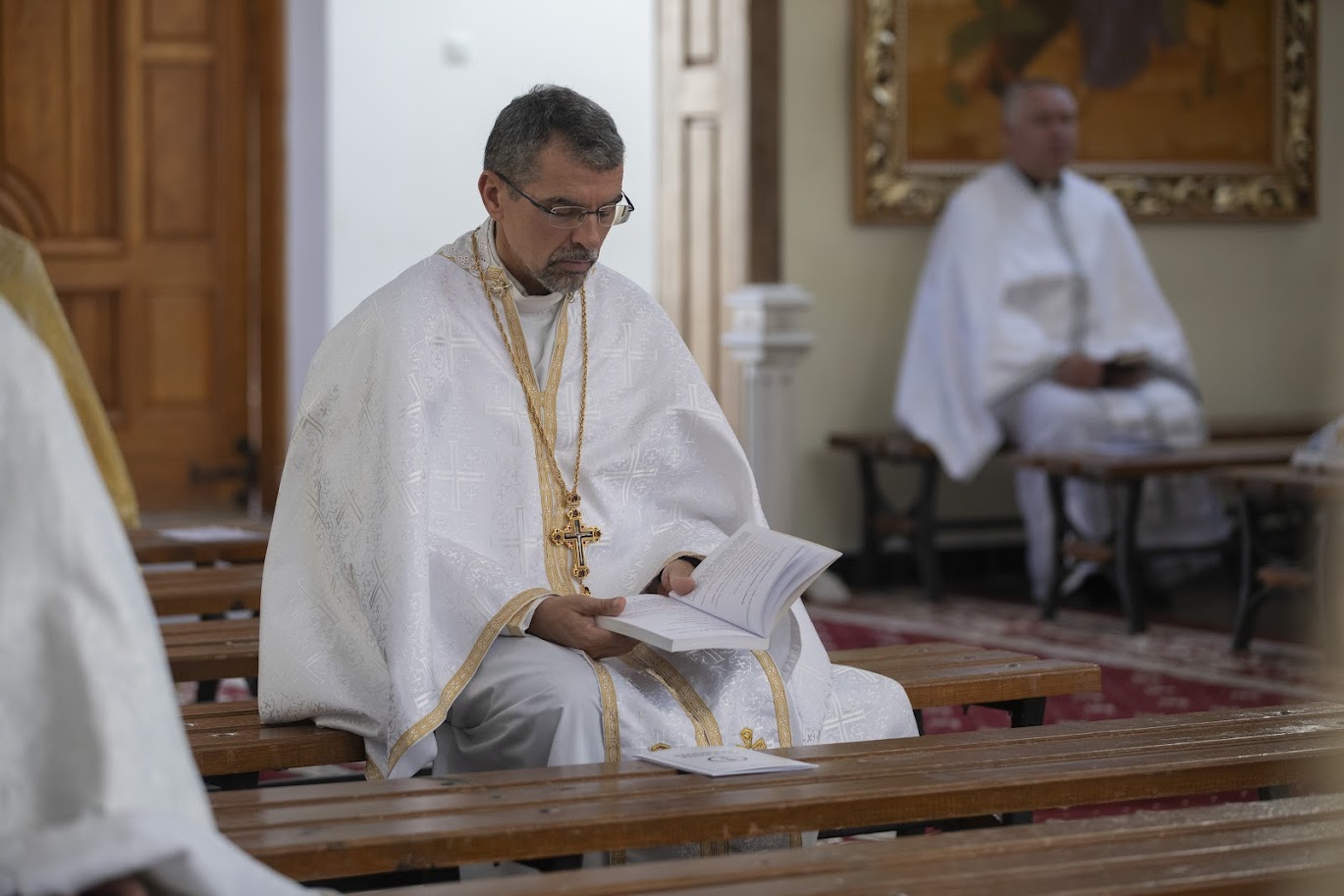
Fr. Andrés Martínez Esteban, Vicar General of the Ordinariate for Eastern Rite Catholics in Spain
In Spain, Ukrainian Greek Catholic communities are under the auspices of the Ordinariate for the Faithful of the Eastern Catholic Churches and the Pastoral and Migration Department of the UGCC. A recent visit by the Permanent Synod of the UGCC to Madrid and a joint Divine Liturgy at the Almudena Cathedral served as a special sign of unity. The main challenge remains fostering priestly vocations among Ukrainian youth. Fr. Andrés Martínez Esteban, the Vicar General of the Ordinariate, emphasized that the personal example of a priest is a decisive factor in the emergence of vocations.
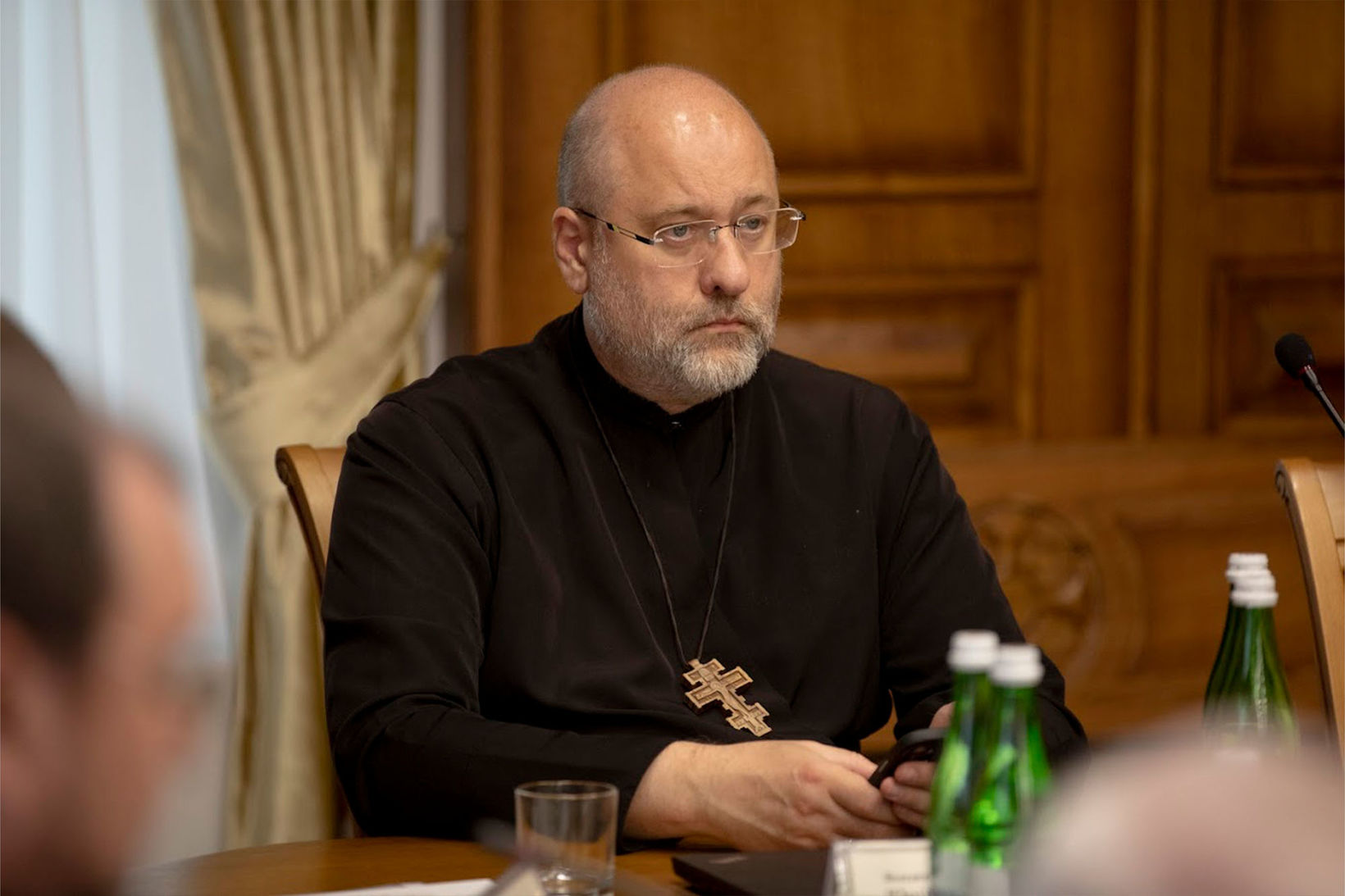
Fr. Yuriy Kolasa, Vicar General for the Faithful of the Eastern Catholic Churches in Austria
Austria has become an example of the rapid growth of the Ukrainian church presence since the start of the full-scale war. Today, nearly 77,000 Ukrainians hold temporary protection status, of whom approximately 5,500 regularly participate in the life of UGCC communities. While there were only five pastoral centers in 2015, Easter services are now held in 20 of them. The UGCC is developing not only liturgical life but also spiritual centers, catechesis, youth ministry, and other initiatives to support Ukrainians. Particular attention is given to young people, families, and those who have experienced war and forced displacement.
America
The North American and South American continents remain important centers of the Ukrainian Greek Catholic Church. Bishops representing countries in the region highlighted common challenges: secularization, assimilation, a shortage of vocations, and the need to reconsider pastoral models.
In the United States, particular emphasis was placed on the transition from an “ethnic Church” to a truly missionary community capable of responding to the contemporary geography of Ukrainian migration.
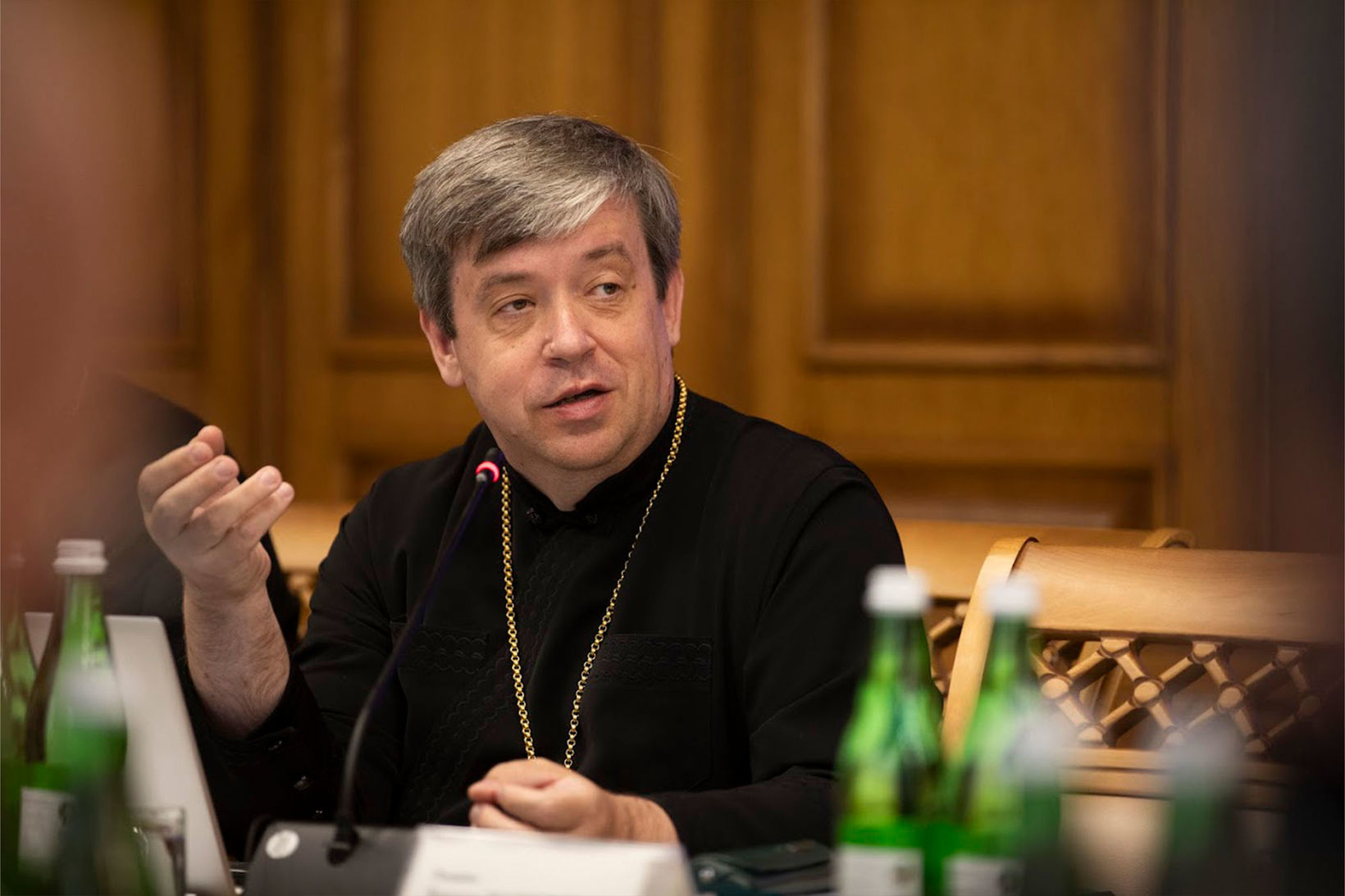
Bishop Andriy Rabiy, Auxiliary Bishop of the Archeparchy of Winnipeg
In Canada, the main challenges identified were the secularization of society, the challenge of passing on the faith to the younger generation, and the need to transition from a model of a “Church for Ukrainians” to a “Ukrainian Church that evangelizes Canada.”
The Brazilian Metropolia emphasized the crisis of vocations, the weakening of the institution of the family, and the necessity of more proactive outreach to youth and families.
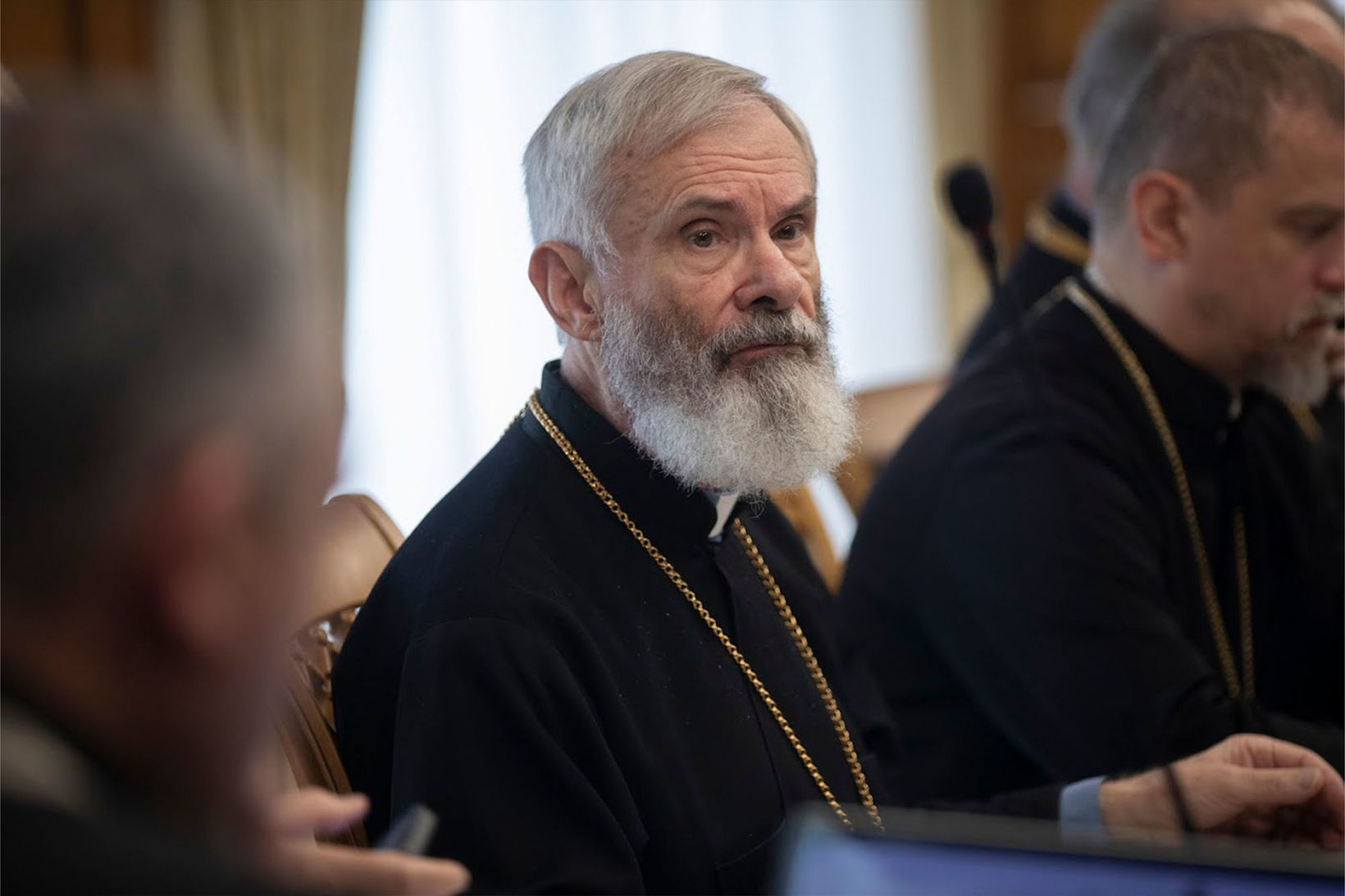
Bishop Volodymyr Koubetch, Archbishop and Metropolitan of Curitiba
In Argentina, one of the main challenges remains the large territory of the eparchy and the spread of the Ukrainian community. Bishop Daniel Kozelinski emphasized the importance of developing lay ministry and seeking new ways for the Church to accompany people.
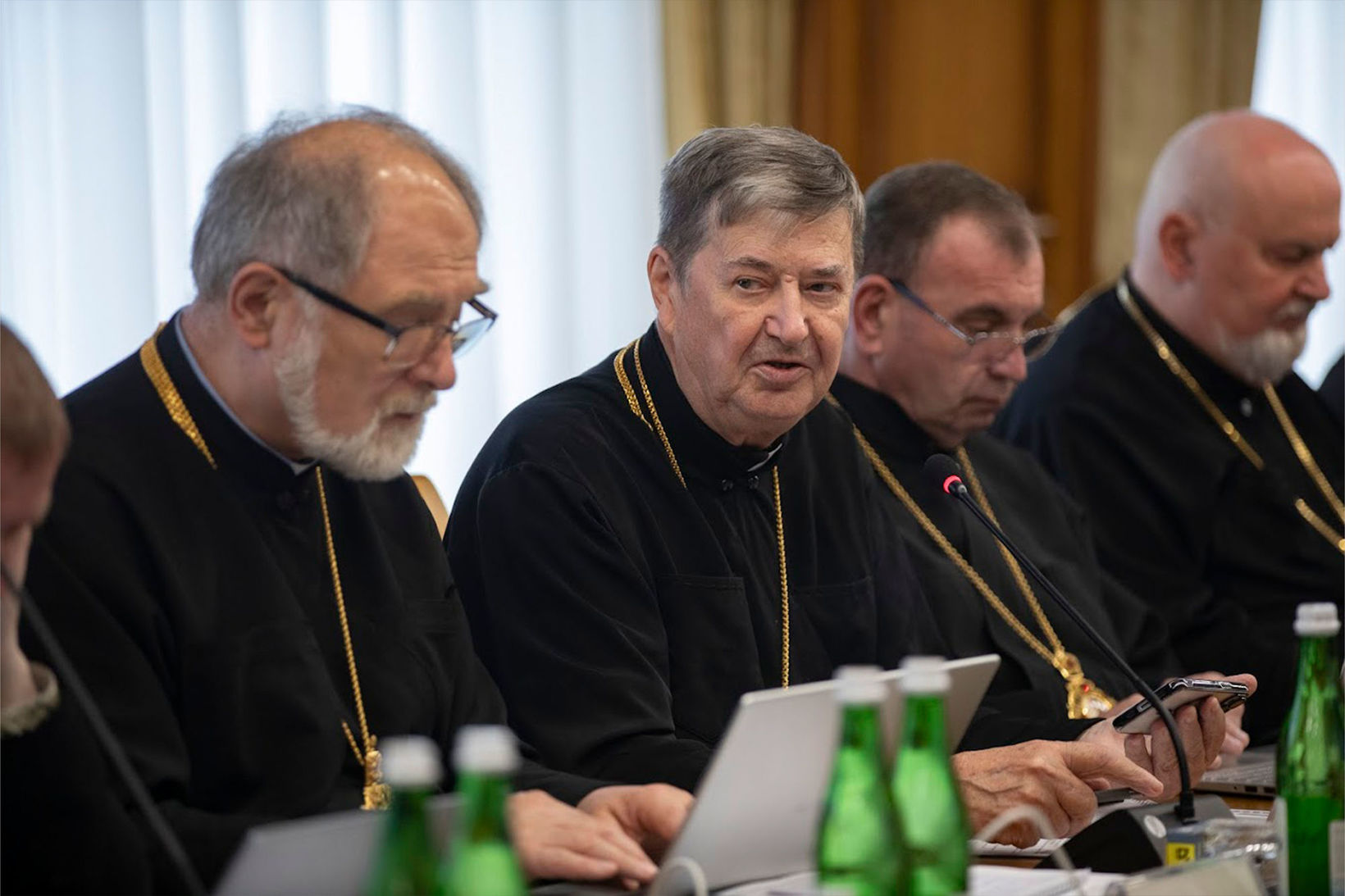
Bishop Daniel Kozelinski, Bishop of the Eparchy of Santa María del Patrocinio in Buenos Aires, Argentina
Australia
A distinctive feature of the Melbourne Eparchy of Saints Peter and Paul is its missionary focus. It extends across Australia, New Zealand, and the countries of Oceania—a territory spanning approximately 8.5 million square kilometers. The vast distances between parishes shape the rhythm of church life, so the eparchy combines personal pastoral care with state-of-the-art communication tools, fostering regular gatherings of clergy and laity.
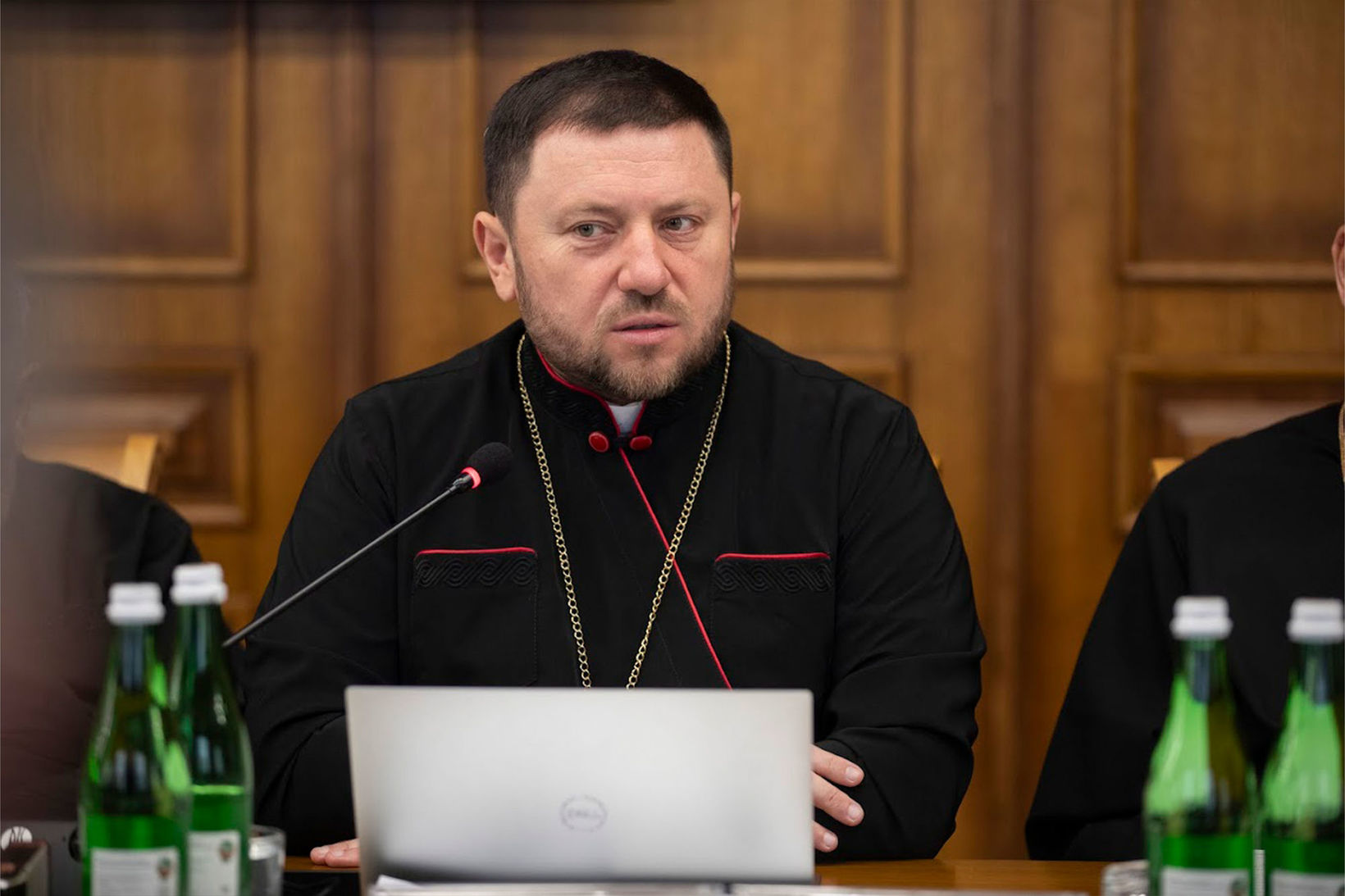
At the same time, Bishop Mykola Bychok drew attention to the aging of parishes, the assimilation of younger generations, secularization, the insufficient involvement of newly arrived Ukrainians in church life, and the shortage of priests. The response should be to more actively involve the laity, develop youth ministry, increase the Church’s participation in the life of the Ukrainian community, and engage in long-term planning for the eparchy’s development.
***
Despite their different ministry contexts, all the speakers witnessed to a shared reality: Ukrainians worldwide seek not only to preserve their identity but also to build vibrant church communities. Among the main topics were the pastoral care of migrants and refugees, the formation of the younger generation, the fostering of priestly and monastic vocations, the development of lay ministry, and the preservation of unity with the Mother Church. The main theme of this year’s Synod—the pastoral care of vocations to the priesthood and religious life—resonated in a special way in every presentation.
The UGCC Department for Information