“Faith Flourishes in Solidarity, Yet Withers in Isolation” — Metropolitan Borys Gudziak
“When despair creeps into my thoughts, when I can’t comprehend how to navigate circumstances beyond my control, it’s important for me to turn to something that involves the people around me. So how can we strengthen our faith? My humble advice: help someone, reach out. Call someone, pay them a visit, check in on someone who needs support and may be feeling lonely. Bring them clothes, prepare a meal… Such simple acts have been saving Ukrainians from despair for twelve years now,” said Metropolitan Borys Gudziak of Philadelphia in an interview with the publication “Livyi Bereh” during his visit to Ukraine.
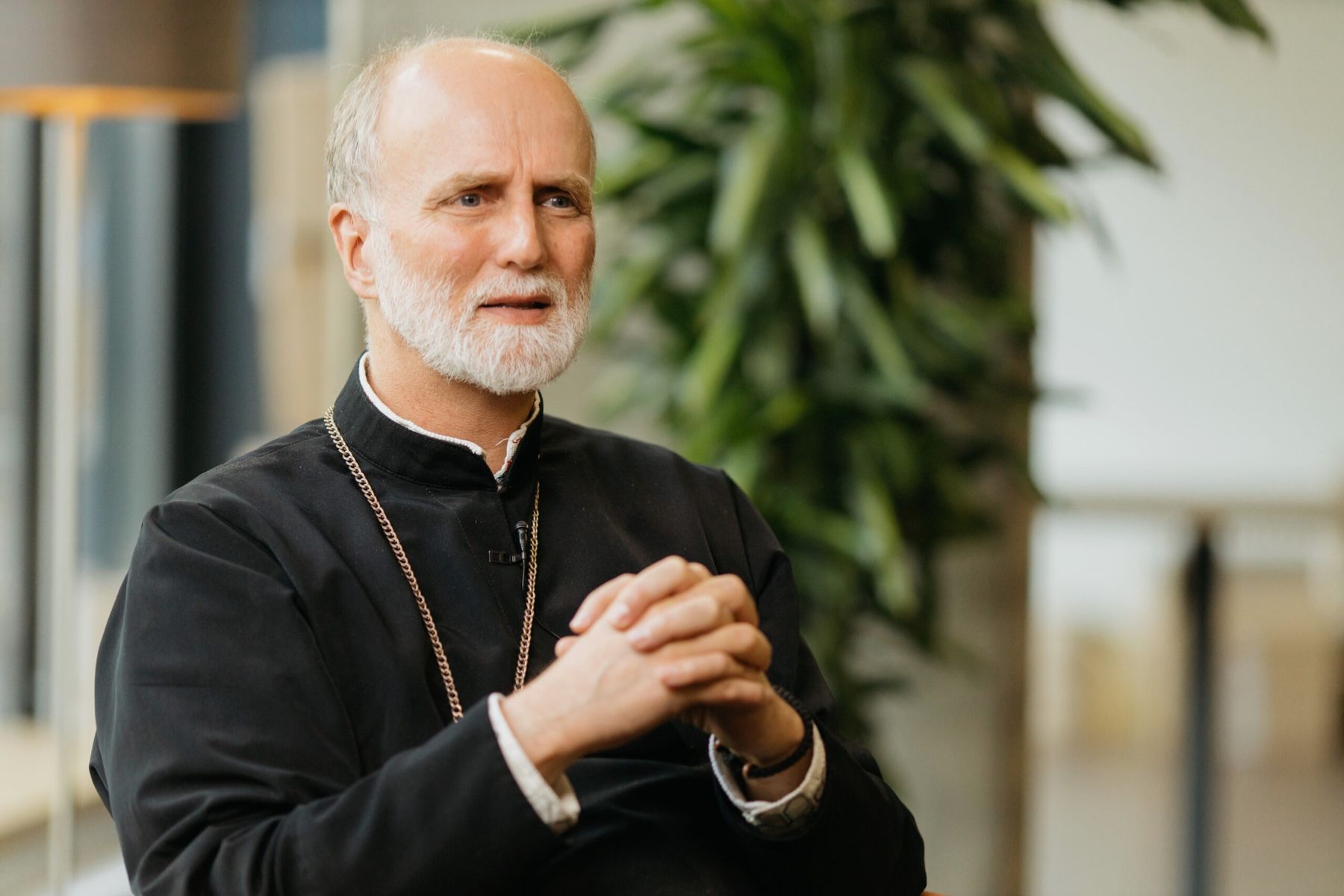
In August, Metropolitan Borys Gudziak of Philadelphia embarked on a solidarity visit to the eparchies of the Ukrainian Greek Catholic Church in Ukraine, visiting Chernivtsi, Kamianets-Podilskyi, Khmelnytskyi, Ostroh, and Lutsk.
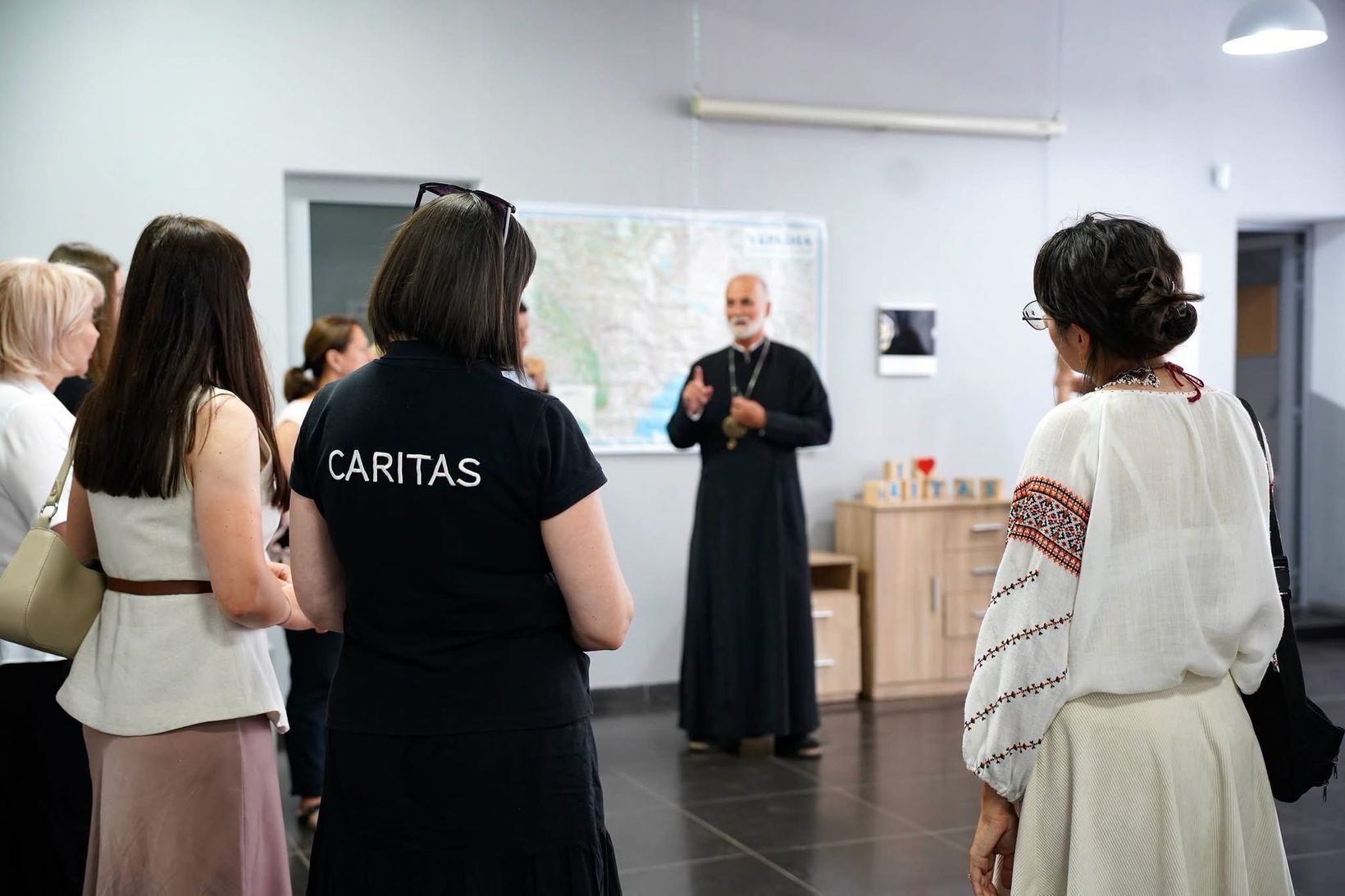
Accompanied by a delegation from the United States, His Eminence met with clergy, communities, and laypeople to better understand how people are living under Russian aggression, express his solidarity, and learn about the charitable work of Church organizations.
Speaking about what helps a person cope with circumstances beyond their control, the metropolitan emphasized the importance of relationships and providing concrete help to one’s neighbor.
According to the metropolitan, faith is not merely a belief or an idea. It lives in relationships—with God and with people. Therefore, in situations where a person cannot influence circumstances, it is important not to withdraw into oneself, but to do what is within one’s power.
“Faith flourishes in solidarity, but it withers in isolation,” emphasized Bishop Borys, noting that it is precisely mutual support that helps Ukrainians persevere during the prolonged ordeal of war.
Speaking about Ukrainian society, the metropolitan noted the changes that have taken place over the years of independence. He paid particular attention to the younger generation, which, in his words, has a stronger sense of dignity and freedom than the generation shaped by the Soviet system.
“The generation that endured Soviet slavery is gradually leaving active public life. Its place is being taken by a new generation that has taken to the streets and squares—from the Revolution on Granite and the Orange Revolution to the Euromaidan and all the way to the front lines, where this new generation is already defending the dignity bestowed by God and our state.”
At the same time, Borys Gudziak noted that Ukraine’s material progress is not always accompanied by moral progress. Among the challenges, he cited corruption, inadequate legal protection, demographic and family crises, alienation in relationships, and loneliness.
Separately, the bishop drew attention to the changes brought about by digitalization and artificial intelligence, particularly the difficulties young people face in writing texts independently and communicating without the aid of technology.
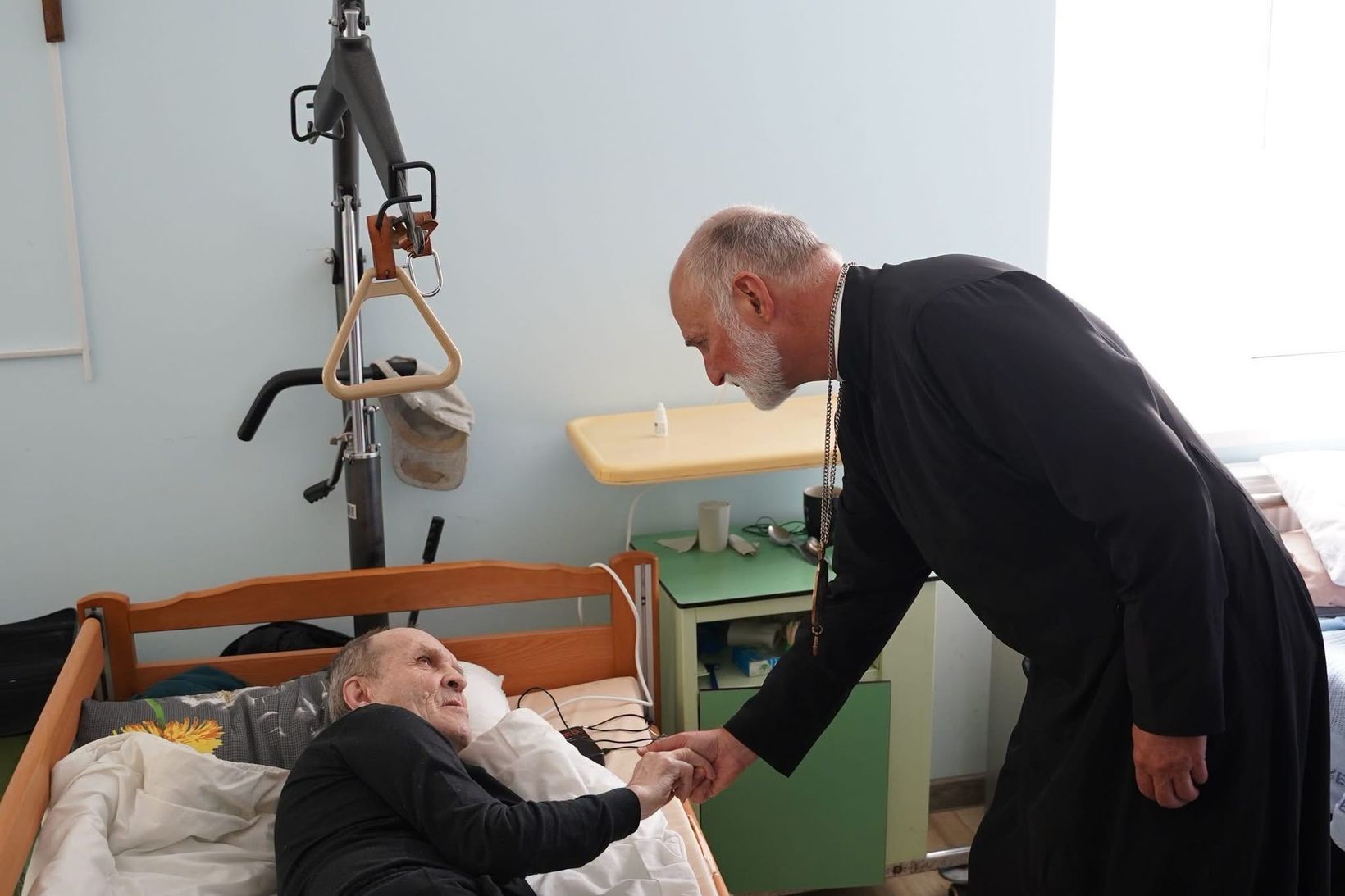
At the “Nazareth” Rehabilitation Center of the Sambir-Drohobych Eparchy
The metropolitan also identified three main challenges facing Ukraine in the post-war period: demographic issues, the consequences of war-related trauma, and the preservation of social unity. In particular, this concerns potential tensions between those who were at the front and those who remained in the rear, as well as between those who fought and those who left the country. At the same time, the bishop expressed hope that the experience of war would help Ukrainians gain a deeper understanding of their responsibility toward the state and the common good.
“After the collapse of the USSR, when people discovered the joy of consumerism, we seemed to have forgotten that it is not only freedom FROM something that matters, but also freedom FOR something, and that a country must be built on the foundation of values. Such work is never easily accomplished, since it requires effort and sacrifice,” the metropolitan noted.
Furthermore, he pointed out that “there are no metaphysical guarantees of victory,” although Ukraine cannot afford to lose this war. According to him, Ukrainians, despite their fatigue and exhaustion, continue to persevere because they understand the cost of the Russian occupation. At the same time, he believes it is important to reflect not only on how to win, but also on what victory itself will mean.
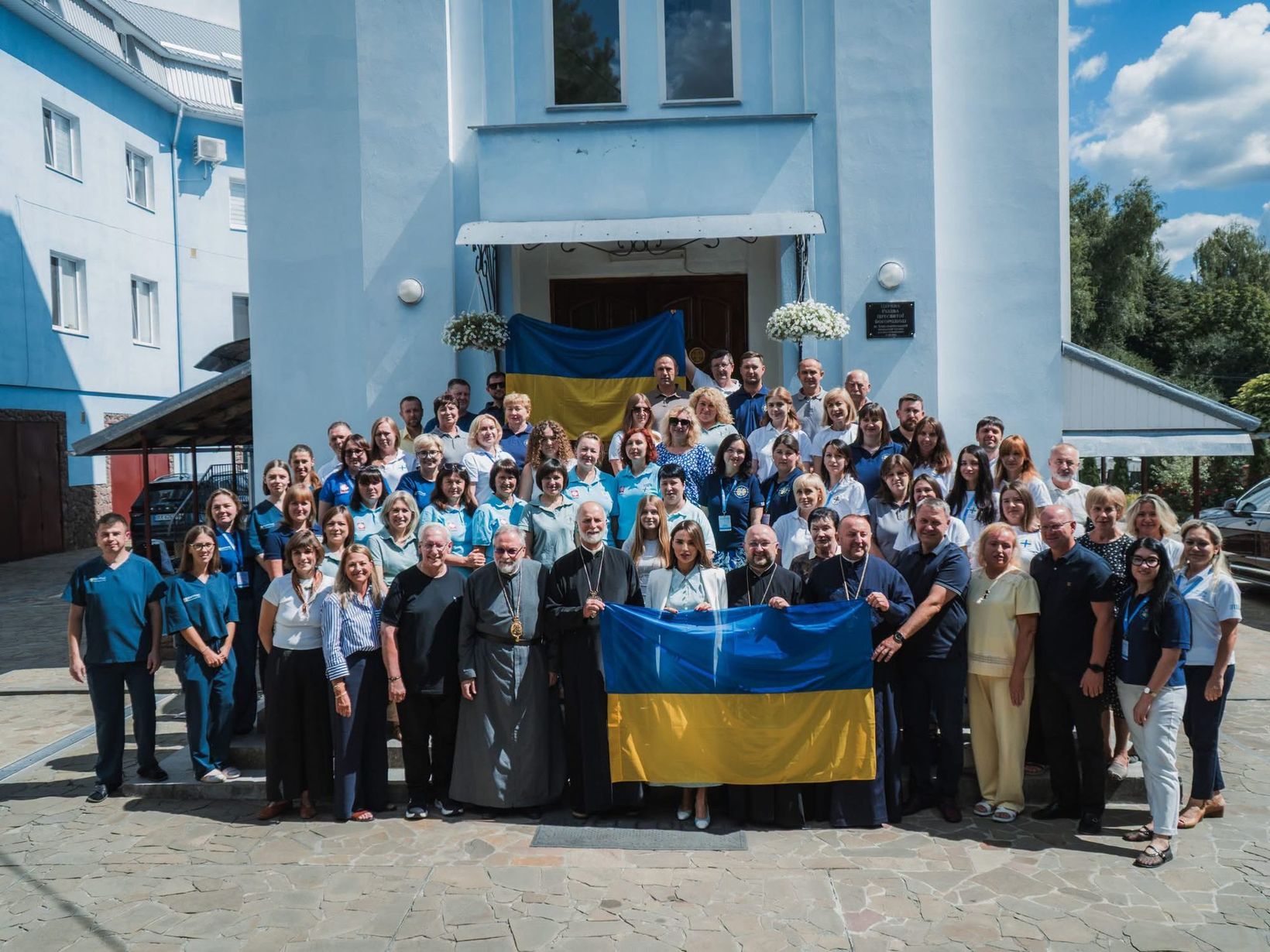
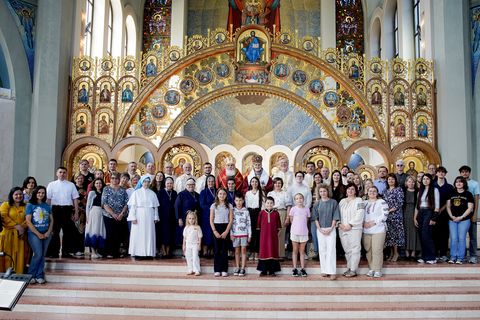
With the Caritas team of the Khmelnytskyi Eparchy—medical and social service specialists
His Eminence expressed the hope that the experience of war would help Ukrainians to rethink freedom and their responsibility for their own future: “I want to believe that, having endured the unspeakable hardships of this war, we will never again be naive, but will think rationally and act for our own good and that of our neighbors, and care for the common good.”
Read the full interview with Metropolitan Borys Gudziak on the “Livyi Bereh” website.
The UGCC Department for Information