“We Risk Becoming Like the Very Machines We Create” — Head of the UGCC on AI and “Dehumanization”
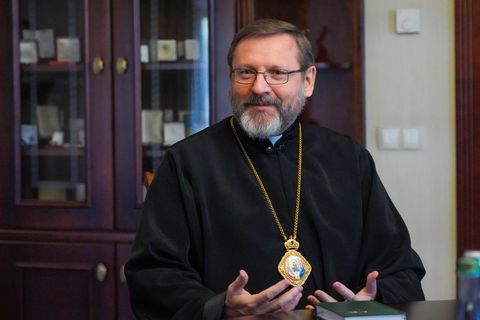
“Artificial intelligence must remain a tool in the hands of humans, and technological development must not lead to a loss of human dignity.” His Beatitude Sviatoslav, Father and Head of the Ukrainian Greek Catholic Church, emphasized this in an interview with in an interview with Livyi Bereh speaking about the ethical challenges of modern science, the development of artificial intelligence, and the cyberization of the human body.
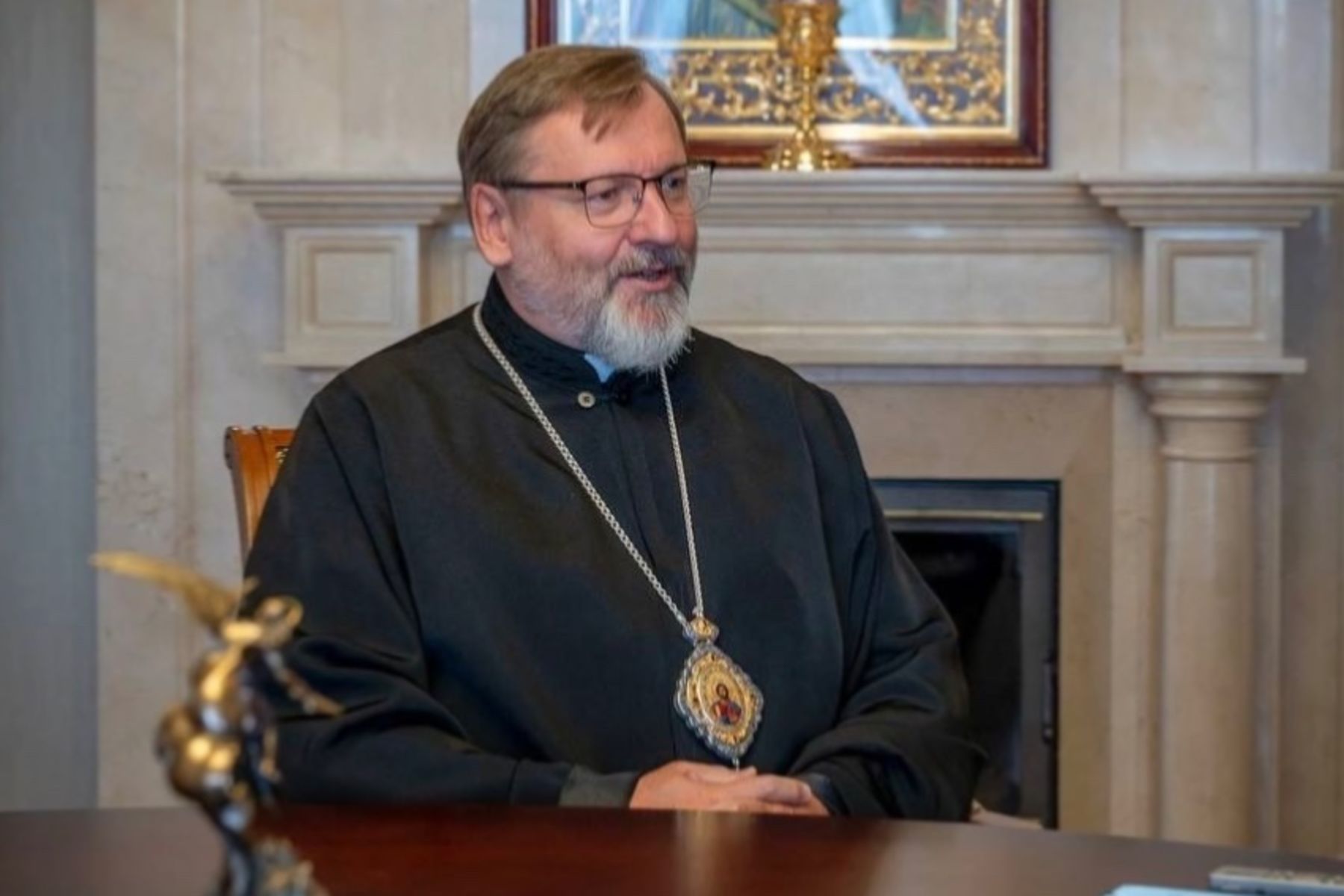
The Primate noted that Pope Leo, in his encyclical Magnifica Humanitas (“Magnificent Humanity”), emphasizes that humanity need not fear AI but must recognize both its benefits and its risks. “It is essential that artificial intelligence not replace human beings, nor be used against human dignity,” His Beatitude emphasized.
He pointed to one danger: the possibility that, in the future, artificial intelligence might perceive differences among people as a problem to be eliminated.
“It may conclude that all people must be absolutely identical—and, from a Christian perspective, faceless. Therefore, artificial intelligence must remain a useful tool in human hands. It is imperative that human beings not become slaves to the fruits of their own culture, to what they themselves have created,” said the Head of the Church.
In his view, one of the fundamental differences between humans and artificial intelligence is that humans are capable of love.
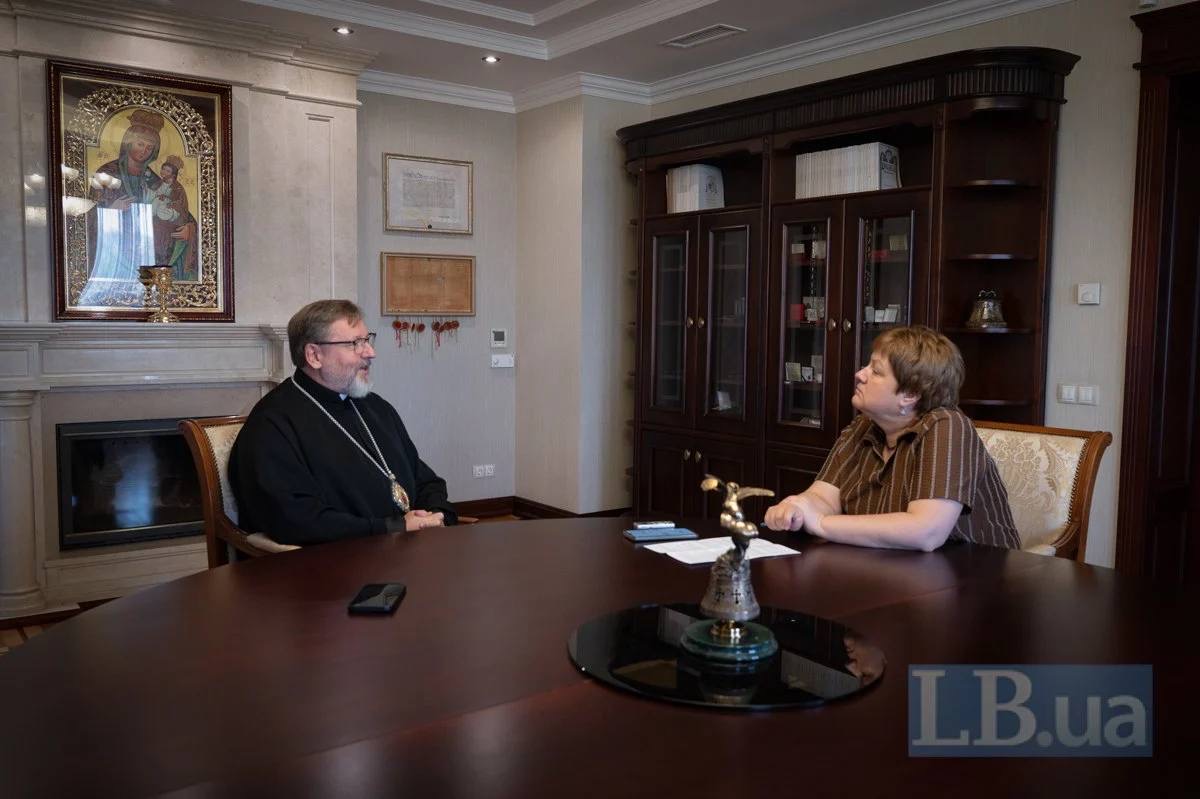
“What artificial intelligence will never be able to do is to love. That is why it is so important that, even in a world dominated by artificial intelligence, we do not lose our humanity. We must remain human, even amid all these latest technological advances.”
At the same time, His Beatitude drew attention to another challenge—the cyberization of the human body. He compared modern approaches in medicine with the logic of consumer culture, in which things are increasingly replaced rather than repaired.
Citing an example from dentistry, the Patriarch noted that in the past, a dentist would consider the need to extract a patient’s tooth a professional failure, because the dentist’s task was to preserve the natural tooth. Today, however, he observed, a different approach is becoming widespread: to extract the tooth and replace it with an implant.
He has observed similar changes in surgery: instead of treating damaged joints, doctors are increasingly replacing them with artificial ones. The Head of the Church also spoke about the case of a Ukrainian boy who lost an eye. One of the Vatican’s doctors designed an artificial eye for him that can send signals to the visual centers of the cerebral cortex.
His Beatitude Sviatoslav emphasized that such technologies are important when they help a person restore lost functions after an injury or amputation. However, in his view, this is precisely where a complex ethical question arises: what will happen if an artificial organ becomes functionally superior to a natural one?
“But when this artificial arm becomes better than a natural one, or when an artificial eye sees better because, after all, it will never be threatened by glaucoma or cataracts, might a doctor be tempted to amputate a healthy arm or remove a ‘natural’ eye in order to replace the organ with an artificial one? That’s where, for me, the moral and ethical problems begin,” said the Head of the UGCC.
The Patriarch also noted that people today risk becoming like the machines and technologies they themselves create.
“People who spend a lot of time at computers begin to behave like computers themselves. The faster the processor in the computer, the more quickly we expect ourselves to make decisions—to act faster, respond to emails more quickly, and so on,” noted the Primate.
He emphasized the importance of preserving the ability to communicate face-to-face, even in a world where technology increasingly shapes our daily lives.
“It is very important to remain true to ourselves despite the world we live in today. It is important not to let technology replace communication with real people.”
Speaking about what it means to remain human in the context of technological development, His Beatitude Sviatoslav referred to the teachings of the Greek Holy Fathers on the “deification” and “demonization” of the human person.
“In our time, we can speak of humanity’s growing resemblance to machines. But in reality, it is not enough that we were born in a human body. We must still become ‘human’ with a capital ‘H.’ And this happens when we contemplate the face of God or speak with Him. For we are made in the image of God. And the closer we are to the original image, the more fully human we become,” concluded the Head of the UGCC.
The UGCC Department for Information