The Jubilee Year of Hope Solemnly Concluded in Melbourne
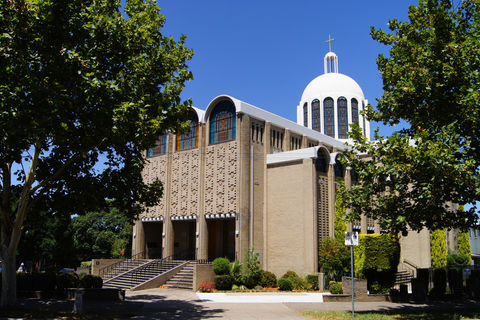
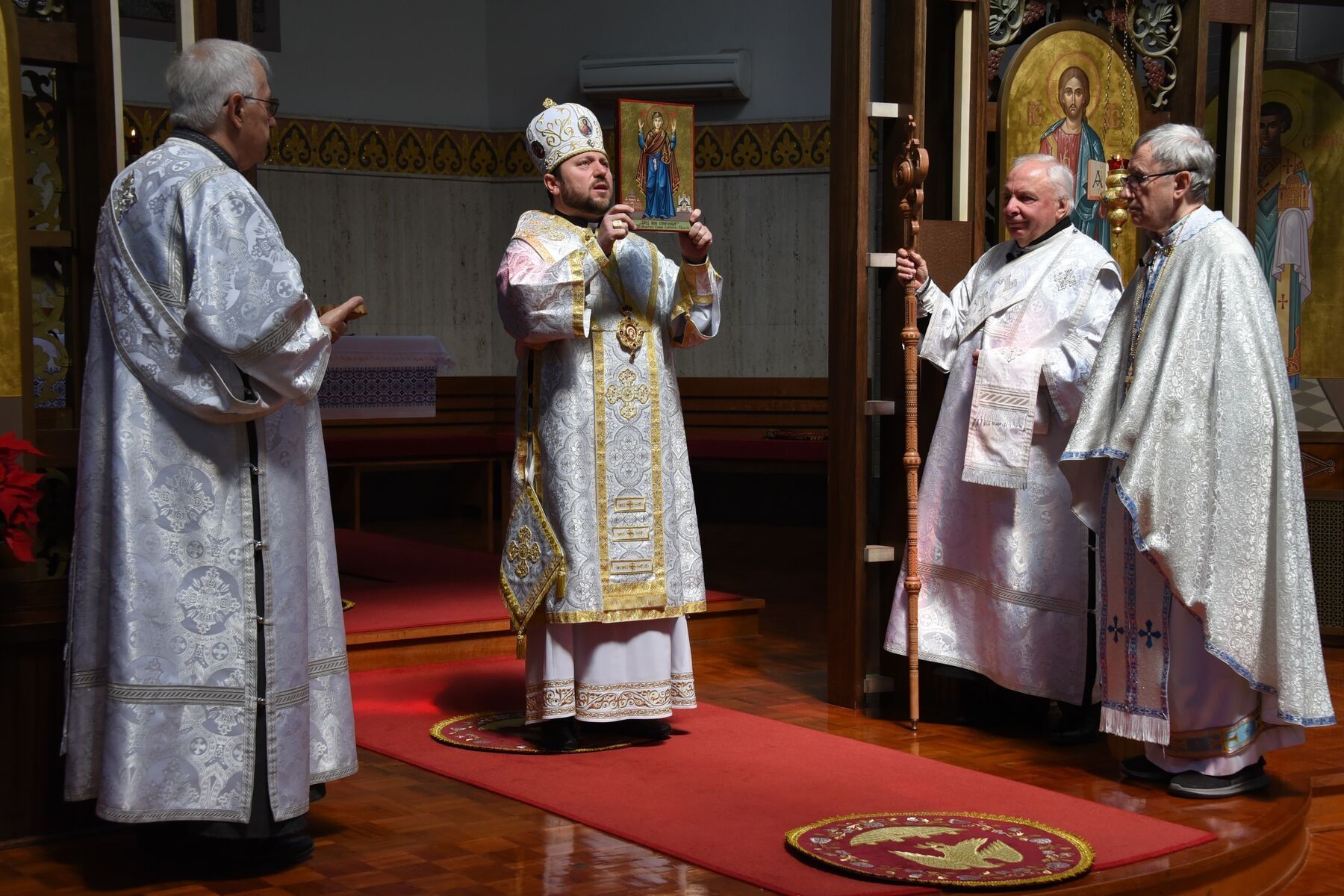
On Sunday, December 28, the Cathedral of Saints Peter and Paul in Melbourne hosted the solemn closing of the Jubilee Year of Hope. The Hierarchical Divine Liturgy was led by His Eminence Mykola Cardinal Bychok, Eparch of Melbourne, in concelebration with the clergy of the Сathedral.
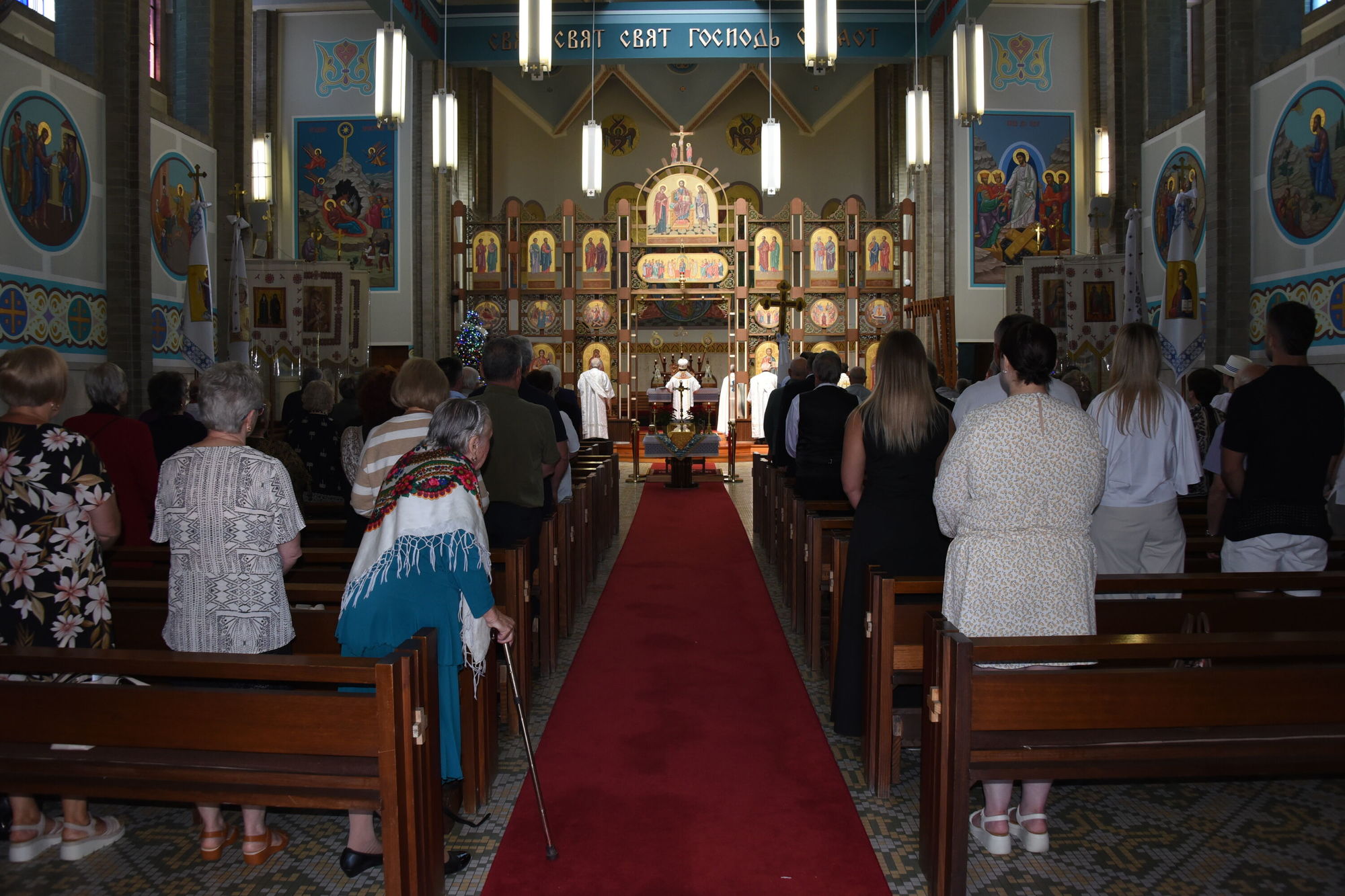
Addressing the faithful in his homily, Bishop Mykola emphasised that the Jubilee Year was not just a calendar event but a special time of God’s action in the life of the Church. “We are not simply ending the calendar year—we are spiritually summarising the time that the Lord Himself gave to His Church through the Jubilee Year as a year of renewal, healing, and hope,” said the bishop, emphasising that this period served as a reminder of God’s constant presence in human history.
Cardinal Mykola also focused on the biblical meaning of the Jubilee, which in Scripture has always meant liberation, forgiveness, and the restoration of justice. He noted that the Jubilee Year was an invitation to the faithful to a deeper conversion—not out of fear, but out of love—and an opportunity to allow God to heal what had been wounded by sin and indifference. “The Jubilee Year has taught us that mercy is not weakness, but the power of God. Mercy has a concrete face: it is Christ who bends down to the sinner, touches the leper, weeps with those who mourn, forgives from the cross, and never tires of seeking the lost. Throughout this year, the Lord has opened our eyes so that we may learn to look at life differently: to see the poor not as a problem but as an icon of Christ; to see the lonely not as a burden but as a call to love; to see those wounded by sin not as enemies but as brothers and sisters whom God continues to love.”
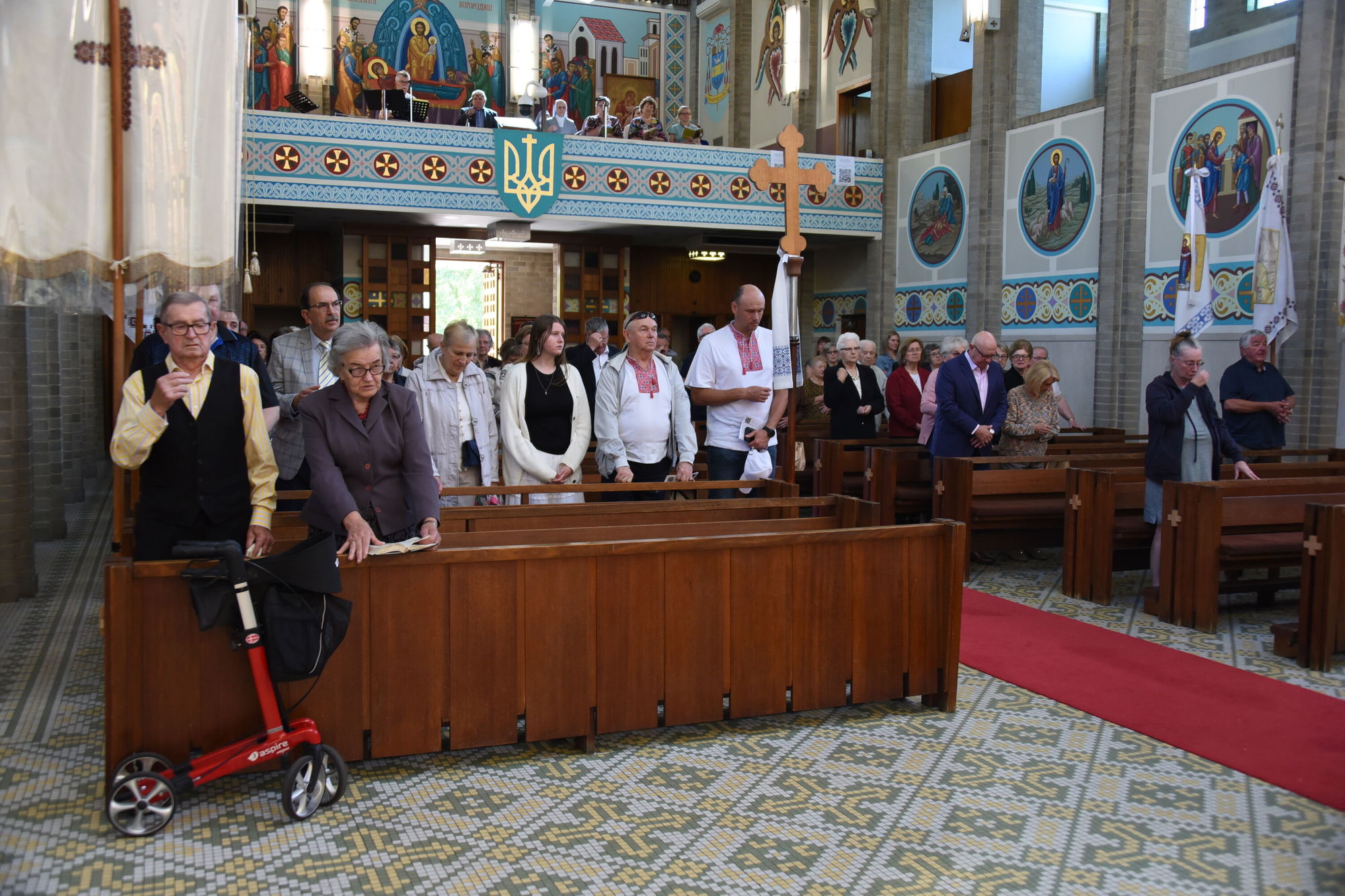
At the same time, the bishop drew attention to the responsibility that comes with the end of the Jubilee period. “We passed through the Jubilee door as a sign of transition: to move from the old life to the new; from indifference to compassion; from closedness to openness. But today, when these doors are closing, an important and perhaps disturbing question arises: has anything really changed in us? Because you can pass through the holy doors with your body but never open the doors of your heart. You can receive forgiveness of sins but not want to forgive others. You can talk about mercy — and at the same time live in condemnation. Therefore, the end of the Jubilee is a test of life,” he emphasised.
Concluding his homily, Bishop Mykola called on the faithful to preserve the spiritual fruits of the Jubilee Year and not allow this blessed time to remain only a fond memory. “Today, at the end of this Jubilee Year, let us ask the Lord for a special grace: not to allow the Jubilee to remain just a beautiful page of the past; not to allow our hearts to become hardened again; not to lose the taste for mercy. May the Holy Spirit help us to become people through whom God continues to forgive, heal, and renew the world. For where the heart is open to love, the Jubilee does not end — there God’s time continues.”
At the end of the Divine Liturgy, the bishop blessed the faithful with an icon, which was presented to him in early December by His Beatitude Sviatoslav Shevchuk and the bishops of the Permanent Synod of the Ukrainian Greek Catholic Church. The icon of the Kyiv Oranta is the official symbol of the Year of Hope and connects St Sophia Basilica in Rome with the Patriarchal Cathedral of the Resurrection of Christ in Kyiv.
catholicukes.au