Head of the Ukrainian Greek Catholic Church to the World Council of Churches: “Admit the Orthodox Church of Ukraine into Your Membership So That Ukraine’s Voice Is Heard”
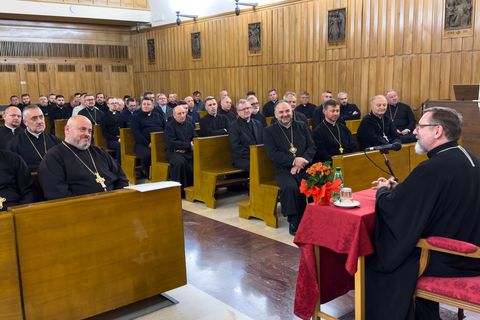
On July 15, on Ukrainian Statehood Day and in commemoration of St. Volodymyr the Equal-to-the-Apostles, a meeting was held at the Kyiv Orthodox Theological Academy between representatives of the Ukrainian Council of Churches and Religious Organizations and a delegation from the World Council of Churches, which had arrived in Kyiv under the leadership of WCC General Secretary Pastor Jerry Pillay (South Africa).
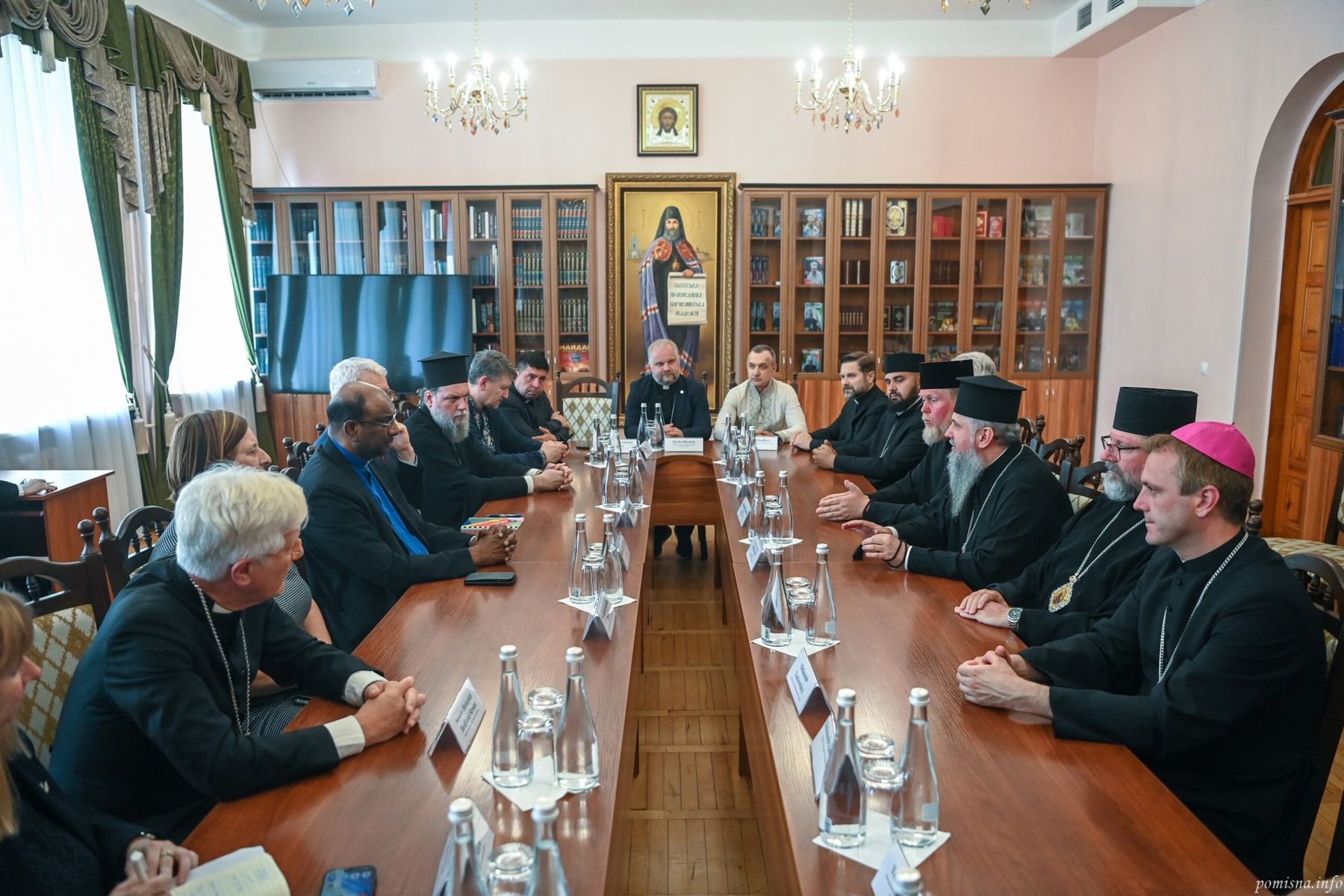
In his address, the Father and Head of the Ukrainian Greek Catholic Church emphasized the symbolic significance of the day on which the meeting was held, as it coincided with the anniversary of the Baptism of Rus’-Ukraine. “The holy waters of the Dnipro River became the place of our people’s rebirth through water and the Spirit,” he noted, adding that it was this baptism that gave the Ukrainian people the grace of salvation and the strength to rebuild in today’s circumstances.
His Beatitude Sviatoslav thanked the WCC delegation for their support, solidarity, and prayers, particularly for the joint prayer initiative for Ukraine launched by the Council. He noted that he regarded the guests’ personal presence in Kyiv—a city that remains the main target of Russian attacks—as a visible sign of courage.
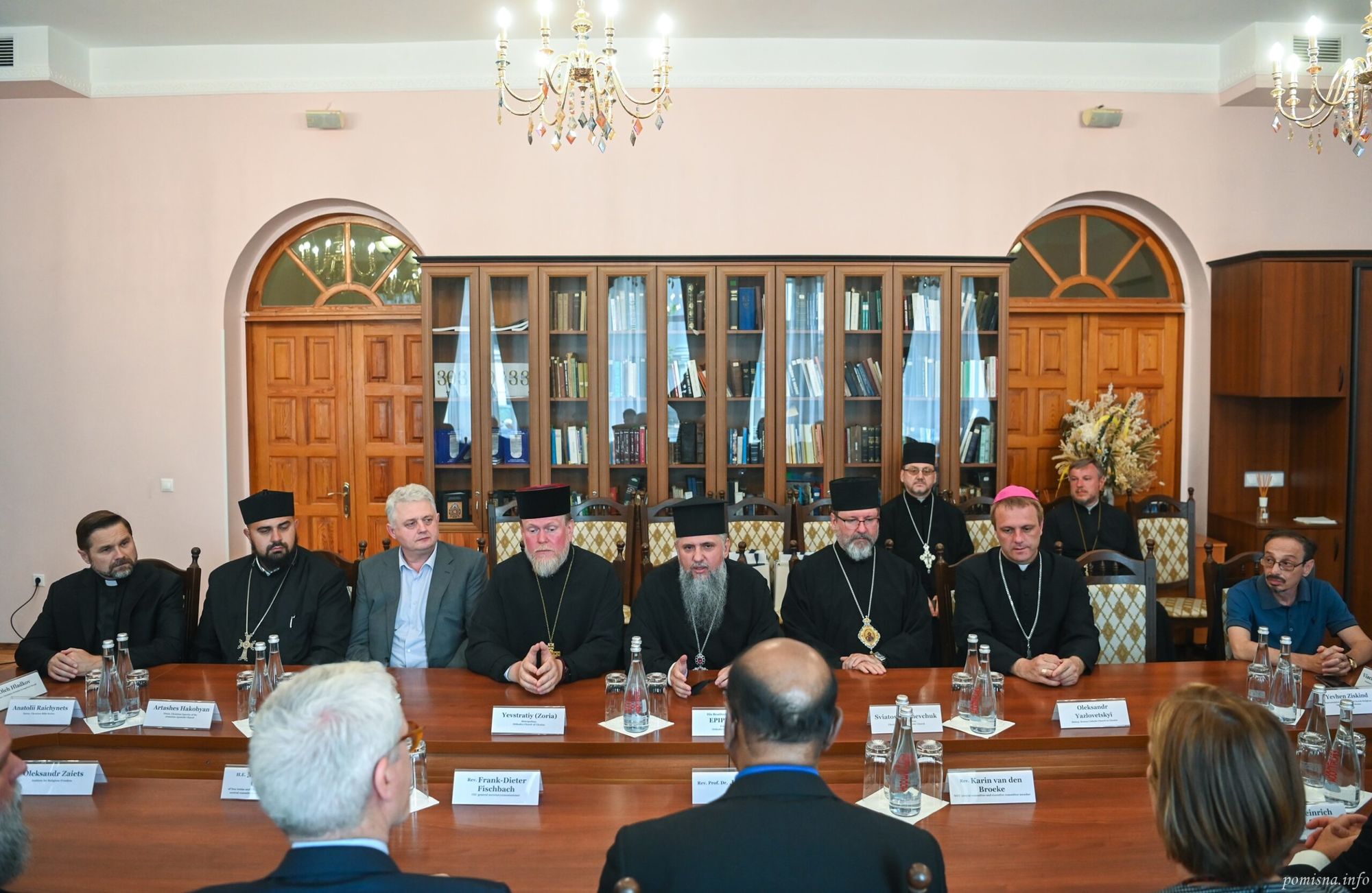
“It is deeply moving to see you not only in the virtual space, where you pray together with us, but also here today, among us. Coming to Kyiv, which remains the main target of Russian attacks, is an act of courage and Christian witness,” noted His Beatitude Sviatoslav.
The Primate also proposed that the World Council of Churches take another concrete step in support of Ukraine by admitting the Orthodox Church of Ukraine into its membership. According to him, this would ensure a permanent Ukrainian voice within the international ecumenical community.
Speaking about the spiritual dimension of the war, His Beatitude Sviatoslav noted that, despite the profound trauma the Ukrainian people are experiencing, two signs of hope can already be seen today.
First, he pointed to people’s deep conversion to God. “People are seeking answers to questions about the reason for their suffering. And no one can answer them better than the Word of God. That is precisely why this is a unique moment for the Churches to evangelize,” he emphasized.
The Primate identified a new experience of interchurch cooperation as the second sign of hope. “Today, a new form of ecumenism is emerging in Ukraine. I would call it existential ecumenism—not theoretical, but profoundly practical. Together, we are facing the same existential challenges, the same tragedy, and we are called to respond to it together and to convey a common message to society and the world,” noted the Father and Head of the UGCC.
His Beatitude Sviatoslav drew particular attention to the danger of exploiting religion as a weapon of war.
“Turning religion into a weapon, declaring war ‘holy,’ and promising forgiveness of sins to those who kill Ukrainians—is blasphemy. This casts doubt on the credibility of the Christian message itself in the modern world,” he emphasized.
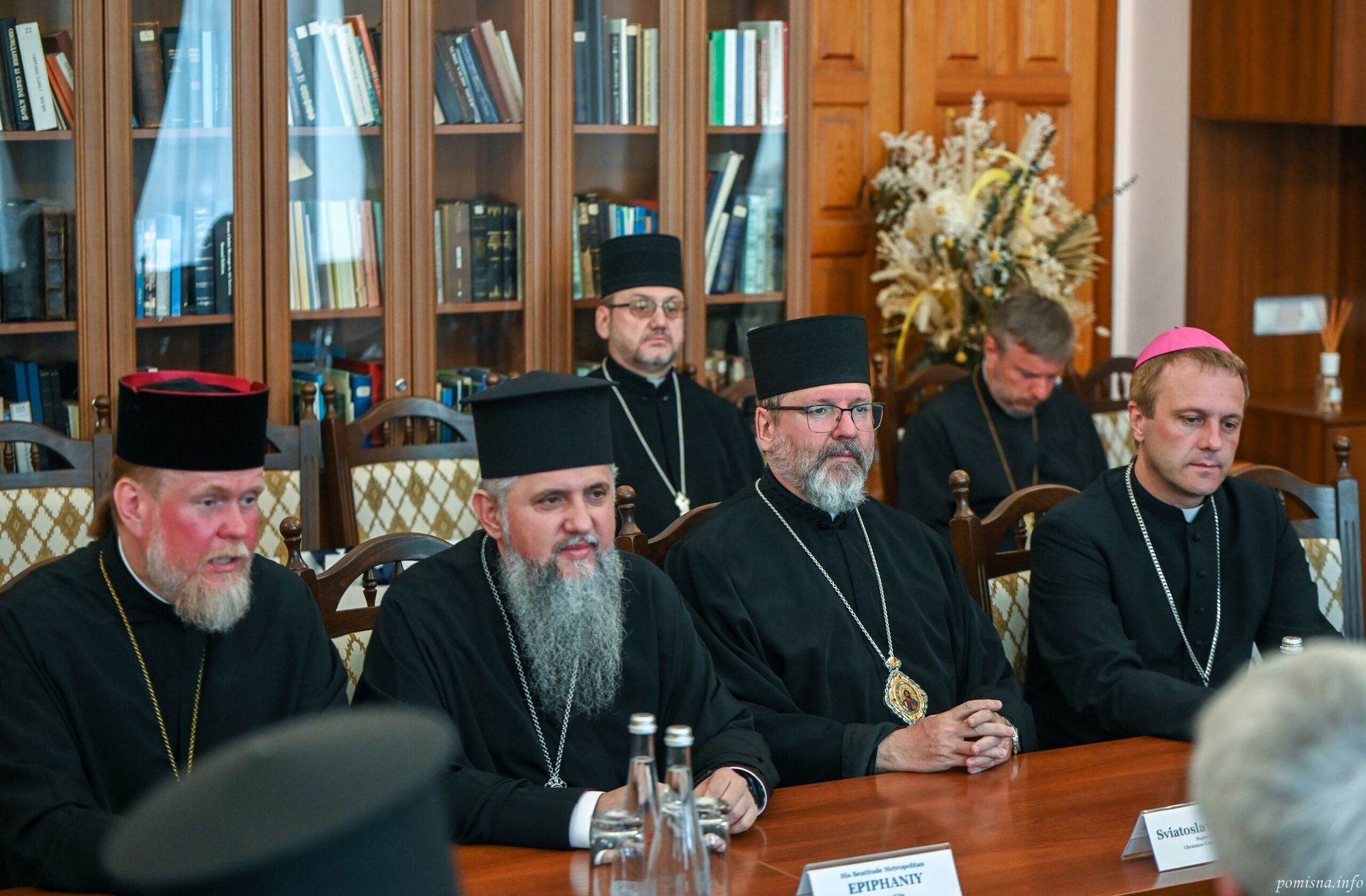
At the same time, the Primate noted that prayer must remain the Christian response to violence.
“Prayer is healing. It protects us and makes us resilient. Therefore, I ask you: continue to pray, spread the true Christian message throughout the world, and show solidarity with the people of Ukraine,” he urged the representatives of the World Council of Churches.
During the discussion on religious freedom, His Beatitude Sviatoslav emphasized that Ukraine remains a country where freedom of conscience is guaranteed, whereas in the temporarily occupied territories Russia is systematically destroying religious freedom.
According to him, the Ukrainian Council of Churches and Religious Organizations, in its cooperation with the state, is guided by four principles: the equality of all religious organizations before the law, with the law applying equally to all; the state’s right to defend its sovereignty and national security; cooperation between the Churches and the state for the common good; and the delineation of their respective competences, with the state refraining from interfering in the internal affairs of the Churches.
“Rest assured: the law on protecting Churches and religious organizations from encroachments by an aggressor state is not directed against any one specific Church. Rather, in accordance with the principle of the universality of civil legislation, it applies equally to all of us without exception. It is directed against the instrumentalization of the Church and the transformation of religion into a weapon,” emphasized the Father and Head of the UGCC.
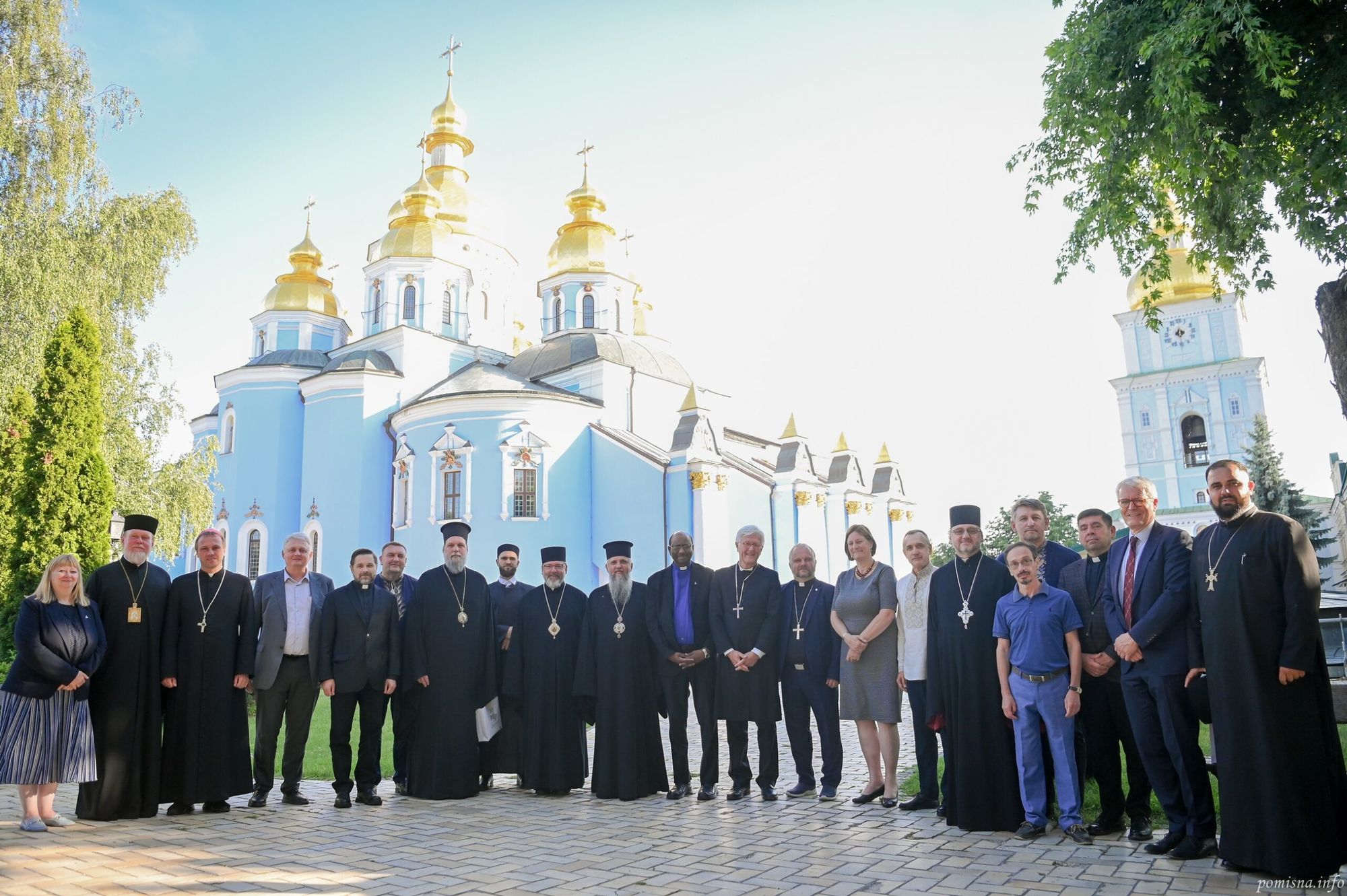
In conclusion, His Beatitude Sviatoslav assured the representatives of the World Council of Churches that Ukraine will prevail, because the Ukrainian people are defending freedom, human dignity, and the fundamental values that form the foundation of modern civilization.
The UGCC Department for Information