“For us, the restoration of the Soviet Union means a return to catacombs”: Head of the UGCC at a Conference in Washington
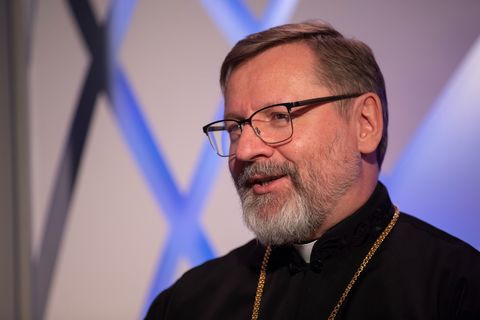
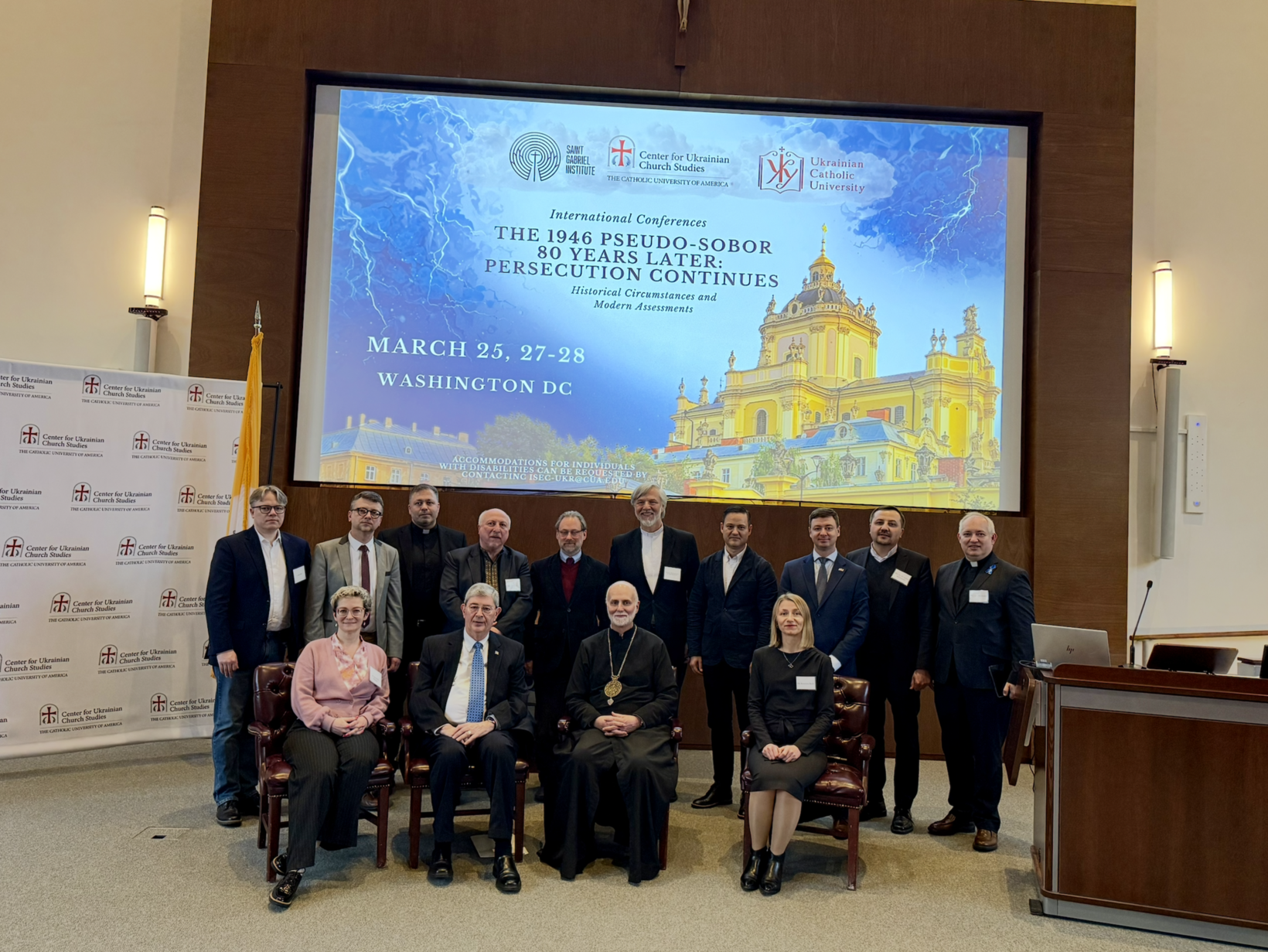
On March 27–28, a conference took place in Washington, D. C. (USA) entitled “The 1946 Pseudo-Sobor: 80 Years Later—The Persecution Continues.” The event was organized by the Center for Ukrainian Church Studies at The Catholic University of America, the Ukrainian Catholic University, and the St. Gabriel Institute. His Beatitude Sviatoslav, Father and Head of the Ukrainian Greek Catholic Church, addressed the participants with a welcoming message.
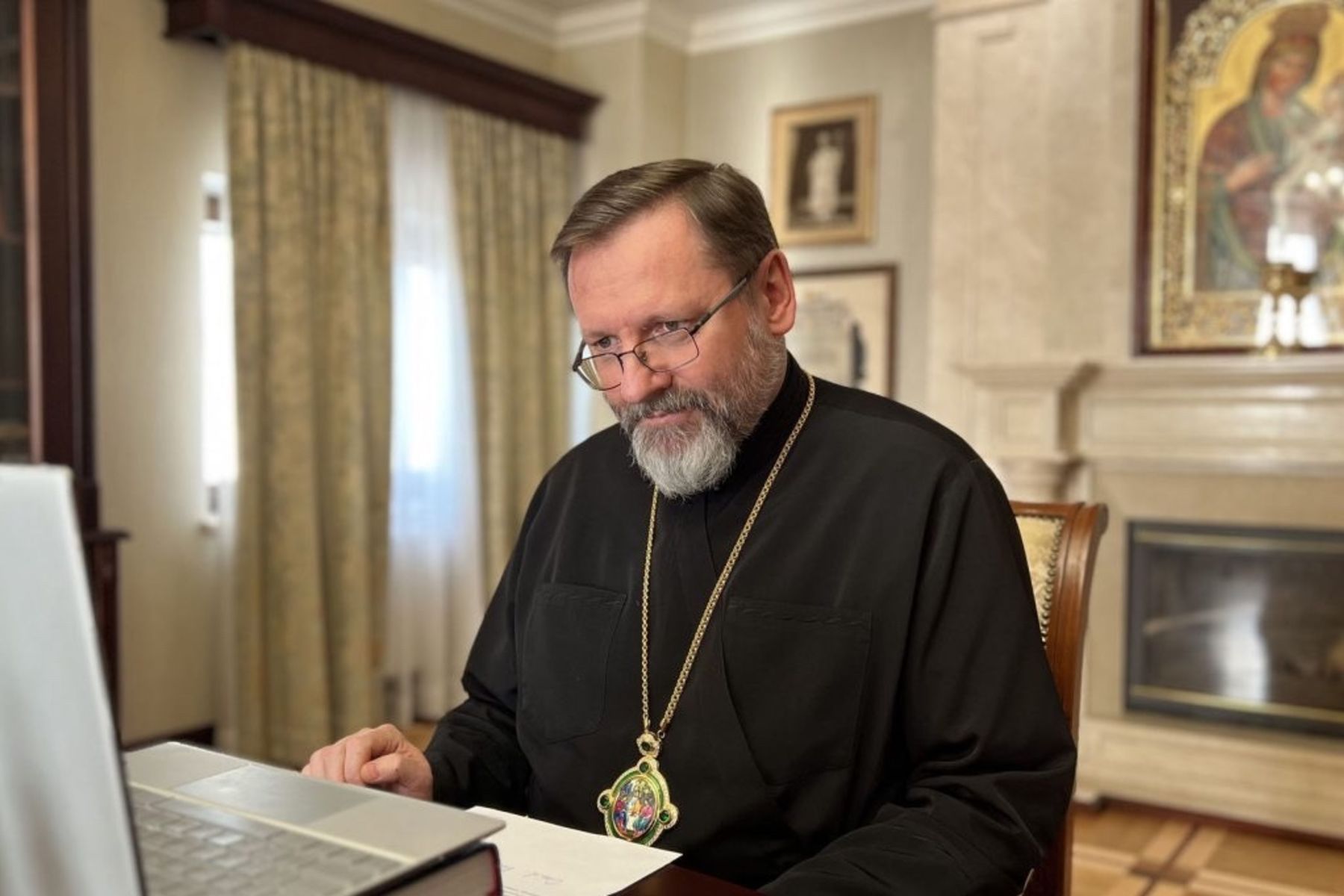
At the beginning, the Head of the UGCC thanked the event organizers and noted that it was a privilege to take part, even online. He emphasized that as archives are opened with the examination of new documents, the true nature of the events surrounding the 1946 Lviv pseudo-council is becoming ever more apparent.
“The more we have the opportunity to study documents in the state security archives in Kyiv, the more new documents we uncover, the better we understand what the Soviet special services did 80 years ago. This ‘council’ was not a church event. It was an operation carried out by the KGB and the secret services of the Stalinist regime with a very specific goal—to destroy and liquidate the Ukrainian Greek Catholic Church in the Soviet Union,” said His Beatitude Sviatoslav.
At the same time, he emphasized that, despite the liquidation of church structures, they failed to destroy the Church itself.
“The very fact that I am speaking to you today from Kyiv is a strong sign and proof that they did not succeed. Even at the peak of Stalin’s regime after World War II, they were able to dismantle church structures in the Soviet Union, but they could not destroy the Church, because the Church, as the Body of the Risen Christ, cannot be banned or destroyed by human hands.”
The Primate also shared a personal testimony, recalling that his path to the priesthood began in an underground seminary during the Soviet era: ‘Back then, the word “Church” meant not a building, not a hierarchy, but a community. For us, the Church meant—and means today—the community of God’s people gathered in the name of God, living through the sacraments of the Holy Catholic and Apostolic Church. Therefore, the event we are now examining, which took place 80 years ago, was an obvious act of the Soviet secret services with no ecclesiastical nature whatsoever. That is exactly why we call this event a “pseudo-sobor.”
The persecution of the Church, according to His Beatitude Sviatoslav, continues today in the territories occupied by Russia.
“Nothing has changed. Every time Russia occupies a part of Ukraine’s territory, our Church is banned and destroyed. Our priests, our nuns, and our monasteries are being closed. Our priests are being imprisoned, tortured, or deported. Therefore, this project to restore the Soviet Union, which the Russian president is attempting to implement, means a return to the catacombs for us.”
The Head of the UGCC noted that for all Churches and religious organizations in Ukraine, a free Ukraine means religious freedom—the opportunity to live, express one’s identity, and serve God and their people.
In conclusion, His Beatitude Sviatoslav thanked the organizers and participants of the conference and emphasized the importance of international solidarity with Ukraine.
“Thank you to everyone who joined this conference, because your participation and your concern for us in Ukraine mean so much. Over the past few years, we have grown convinced that solidarity saves lives, while apathy kills. Therefore, do not be apathetic — strive for a deeper understanding so that such events never happen again anywhere in the world.”
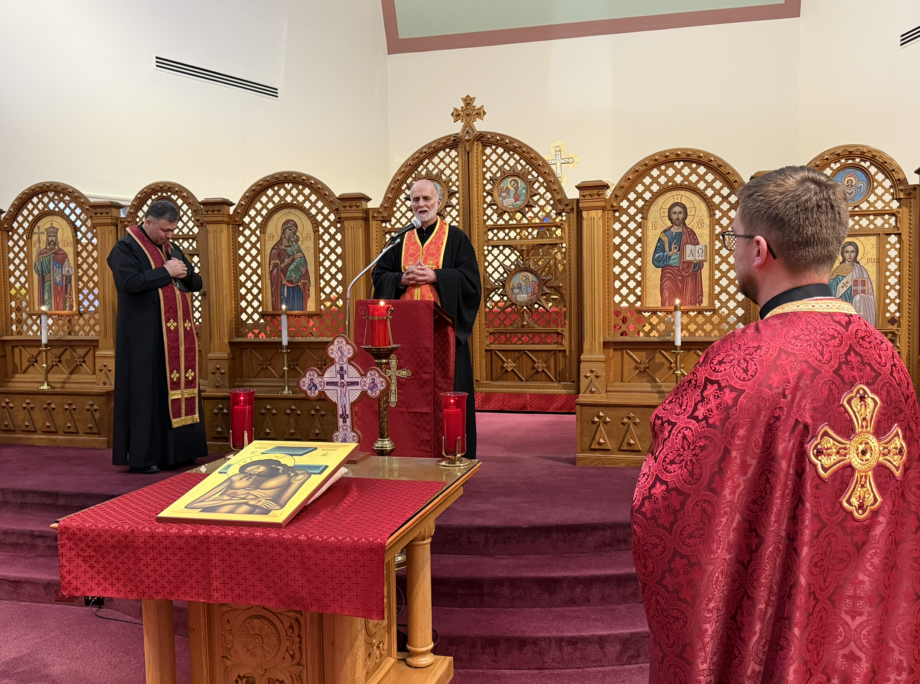
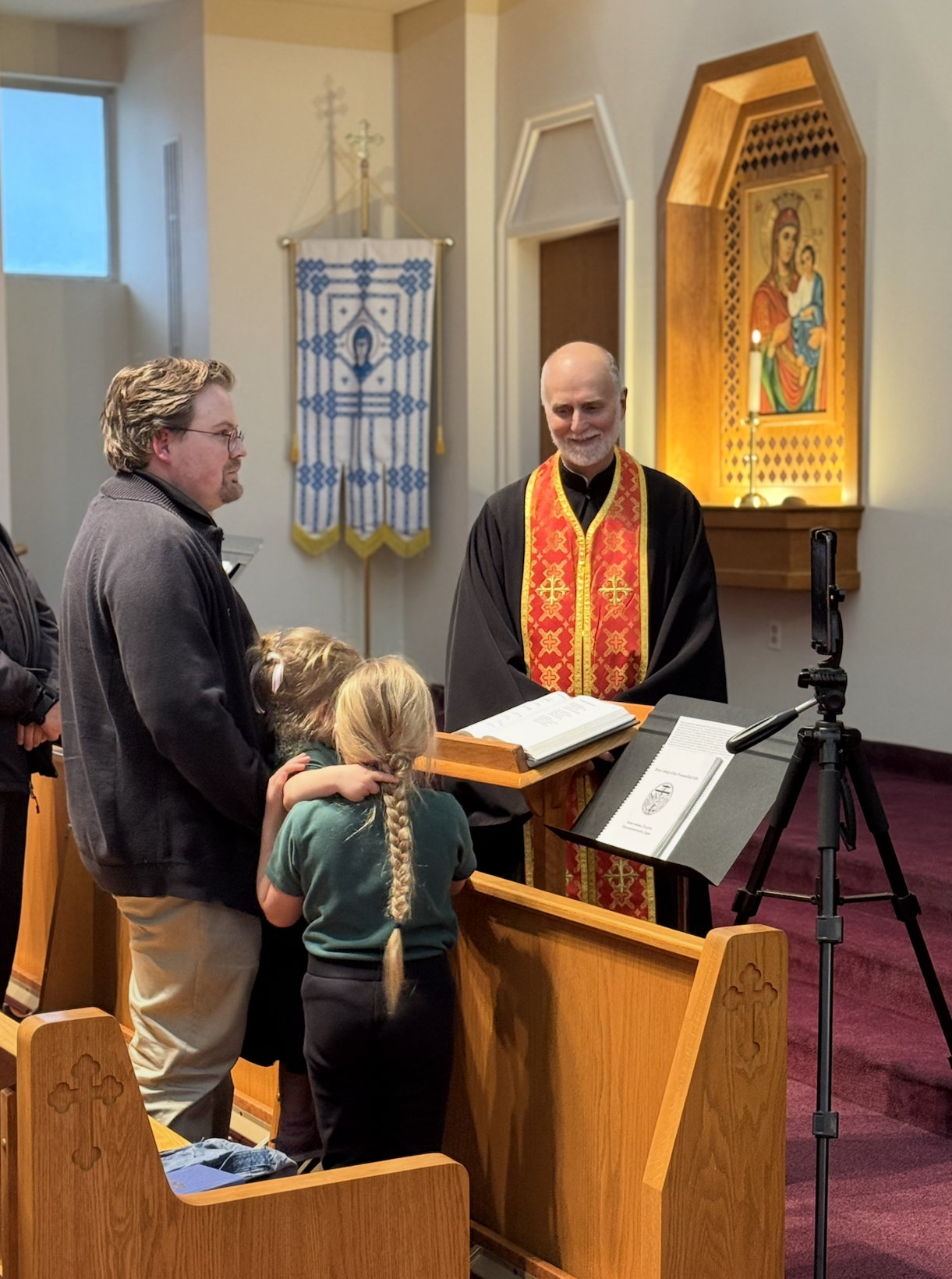
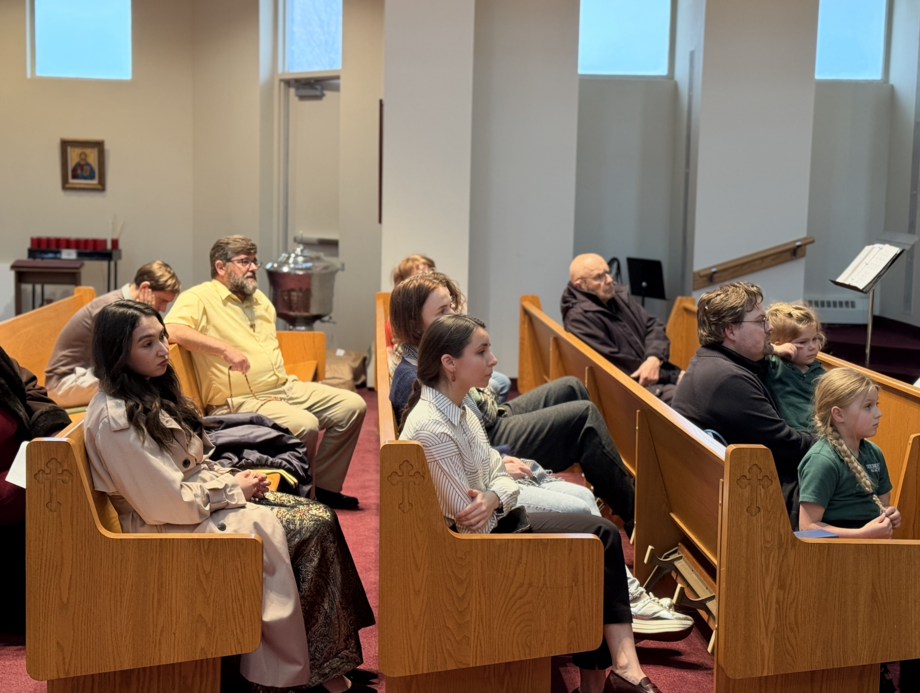
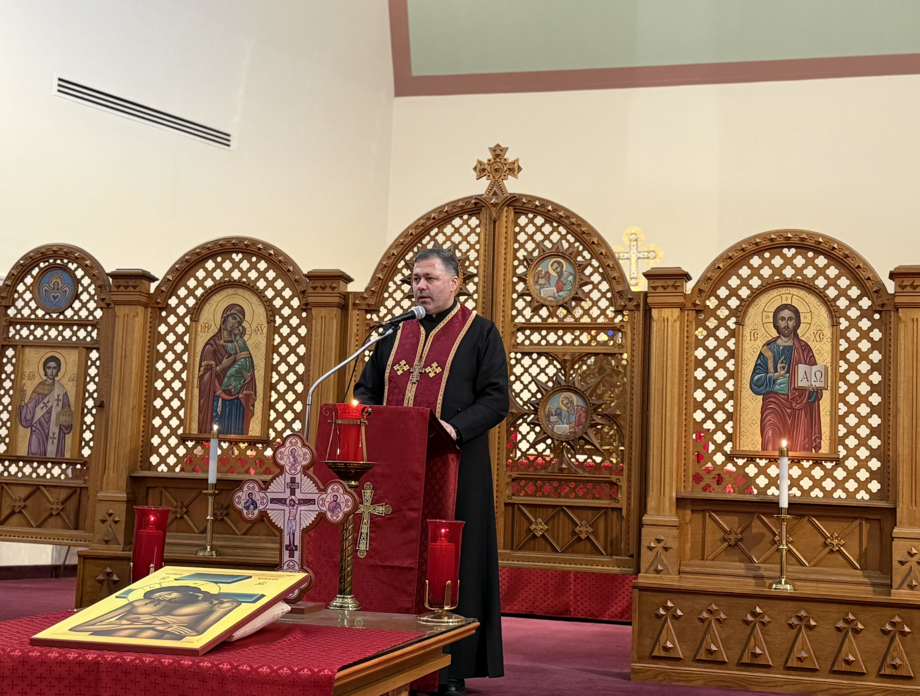
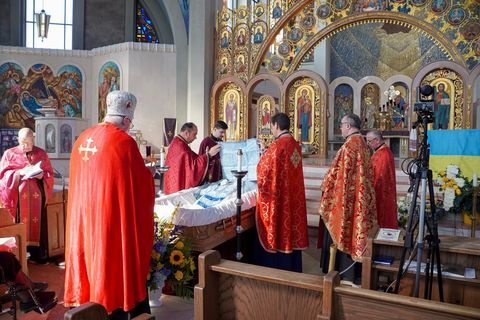
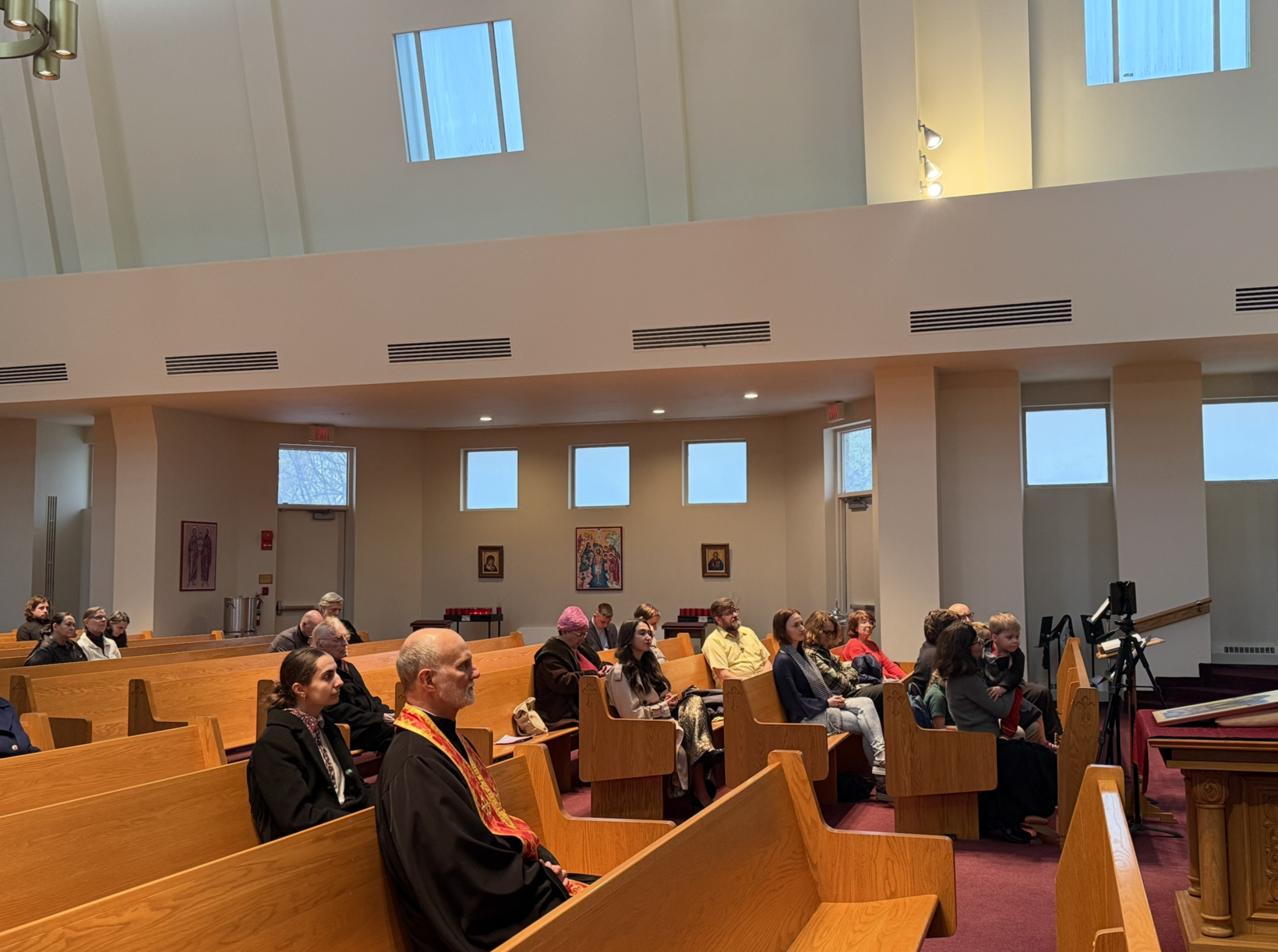
Bishop Borys Gudziak, Metropolitan of Philadelphia, then celebrated the Liturgy of the Presanctified Gifts. Addressing those present, he emphasized the spiritual value of Great Lent and called for perseverance in the faith: “In times of war—with daily shelling, destruction, and death—we look to life in Christ and the power of the Resurrection.”
During the two-day conference, participants examined the historical reality of the 1946 Lviv pseudo-sobor, organized under pressure from Soviet authorities, and discussed contemporary challenges facing the Church amid the Russian-Ukrainian war in the temporarily occupied territories, particularly the destruction of churches and the importance of preserving historical memory.
The UGCC Department for InformationPhoto by Ukrainian Greek Catholic Archeparchy of Philadelphia