“Without moral and spiritual foundations, the renewal of our social life is impossible” — Head of the UGCC at a meeting with the First of December Initiative Group
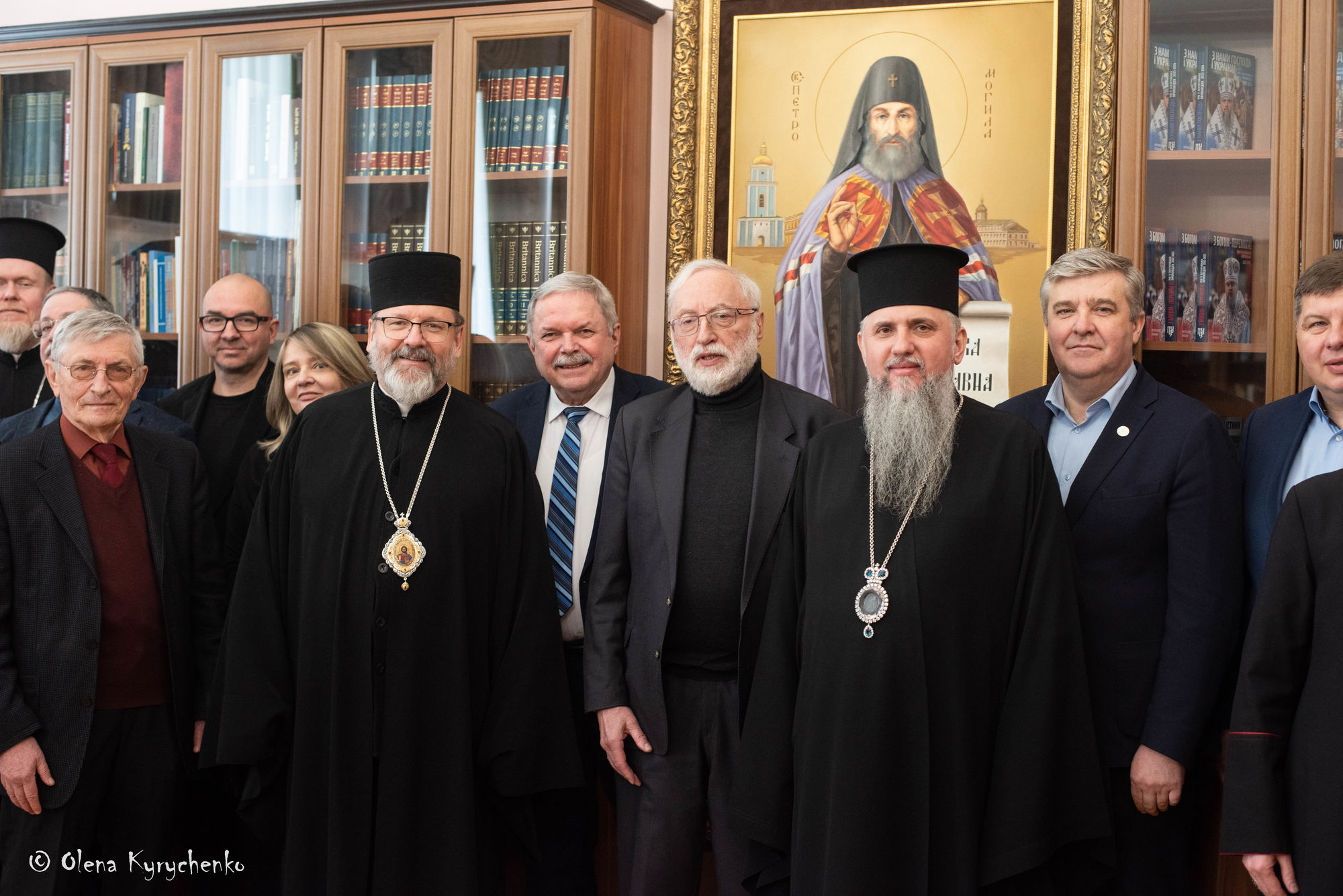
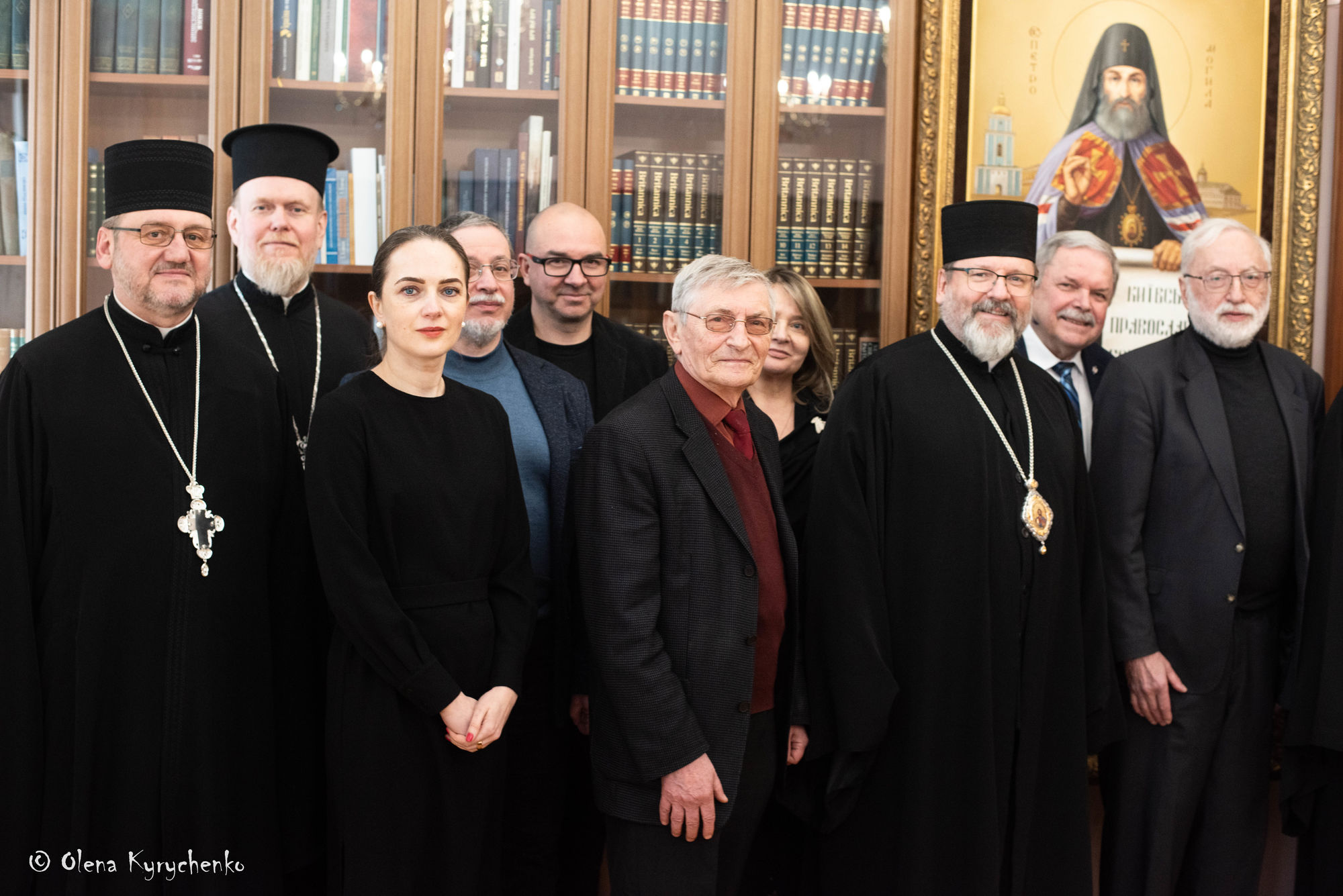
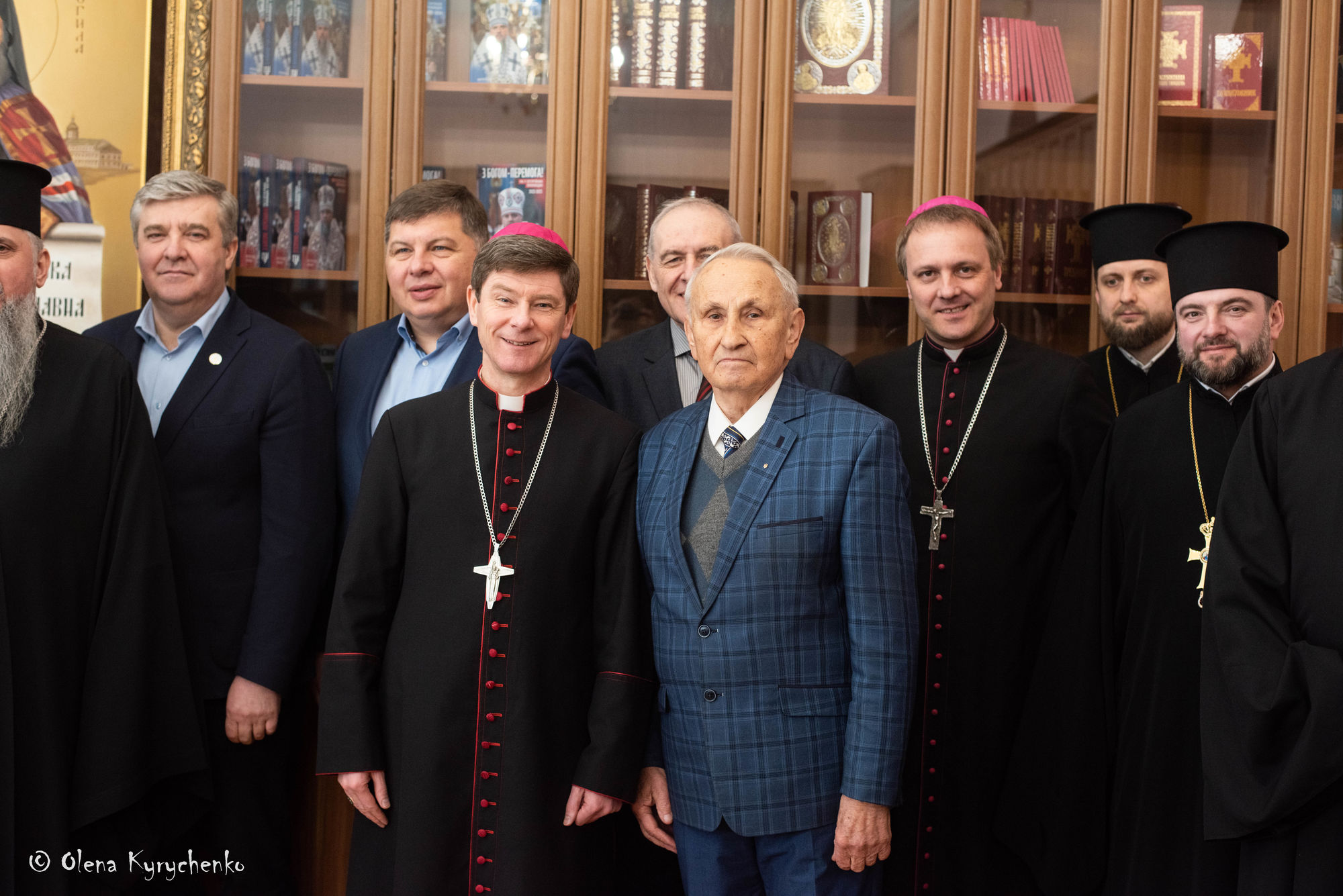
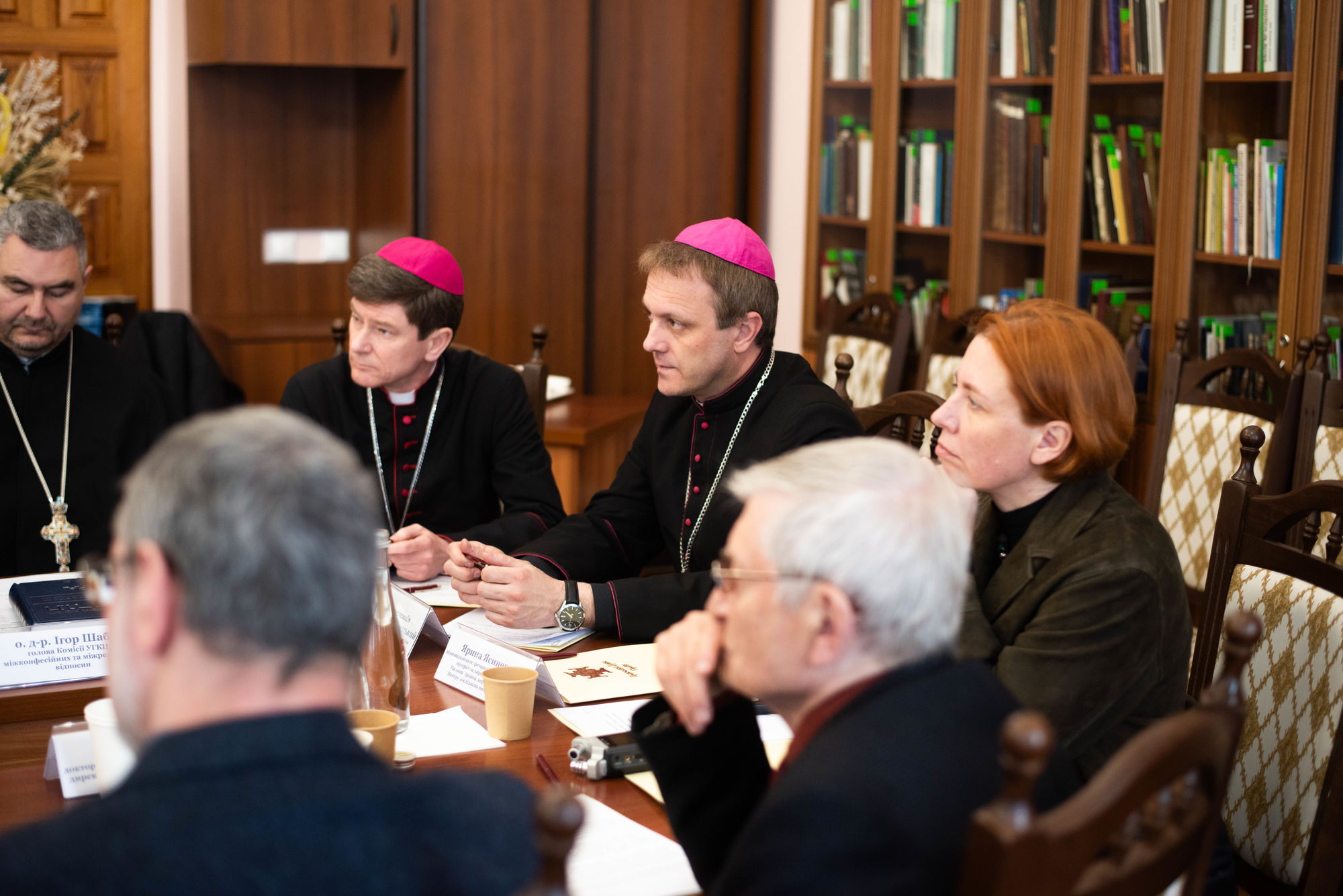
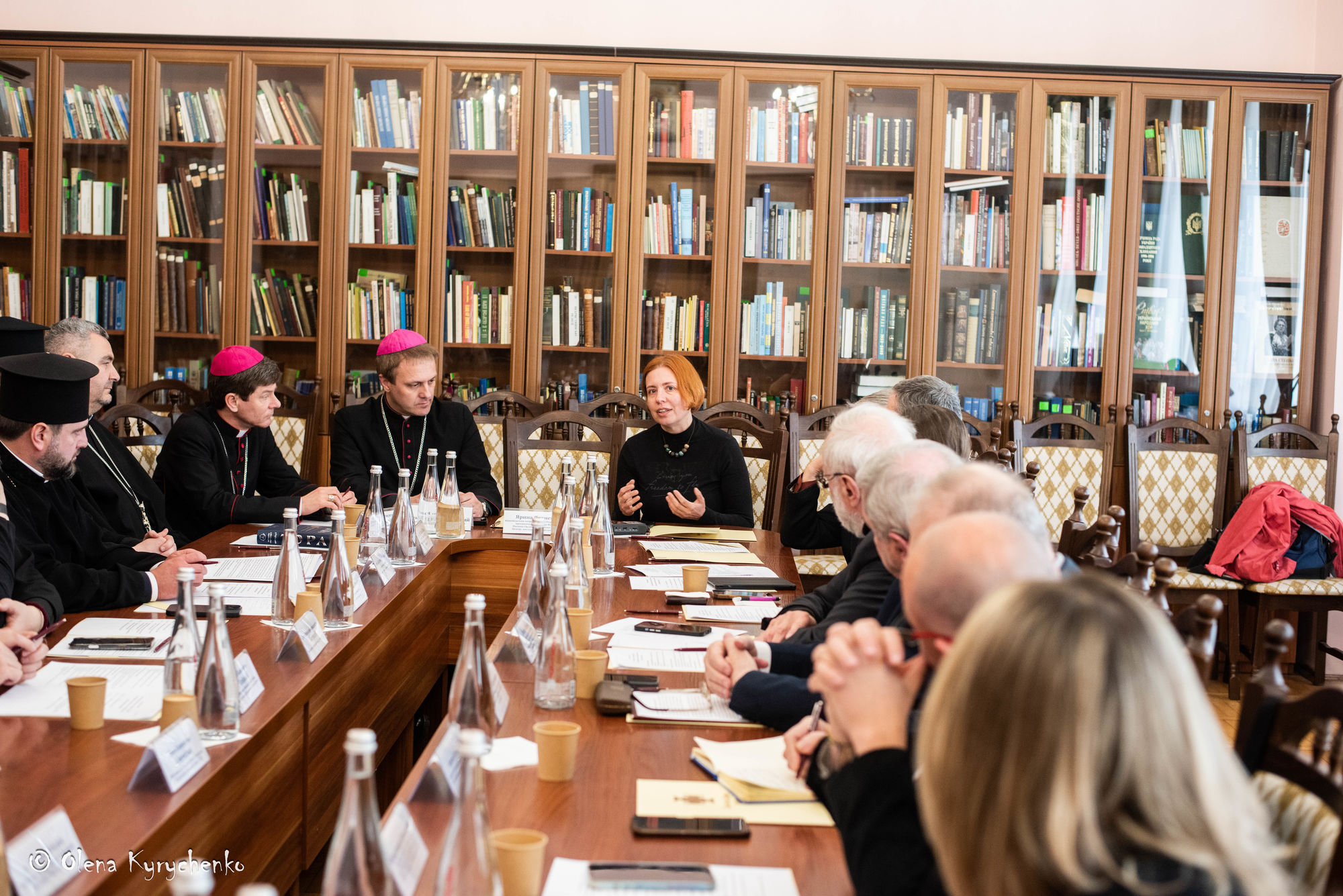
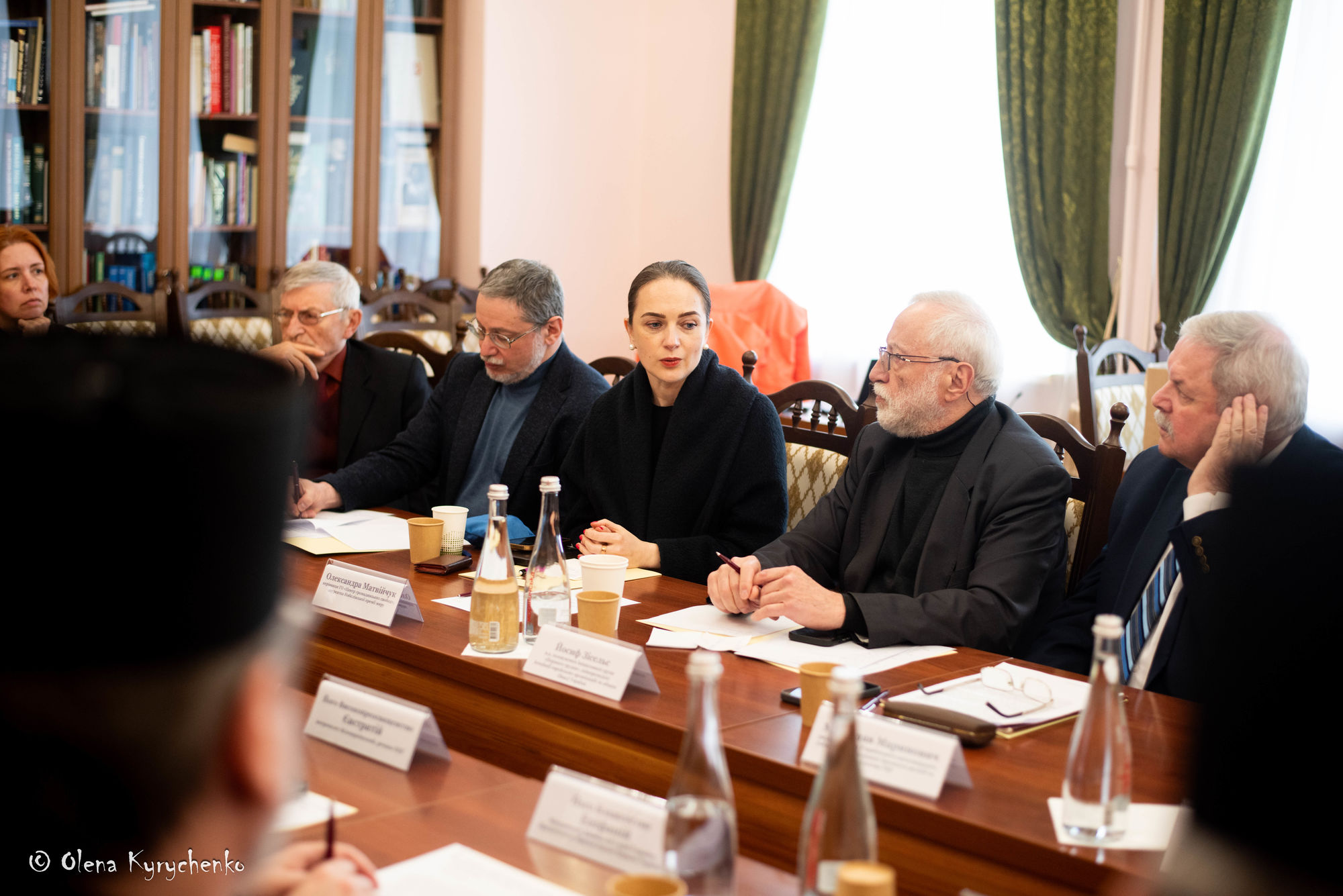
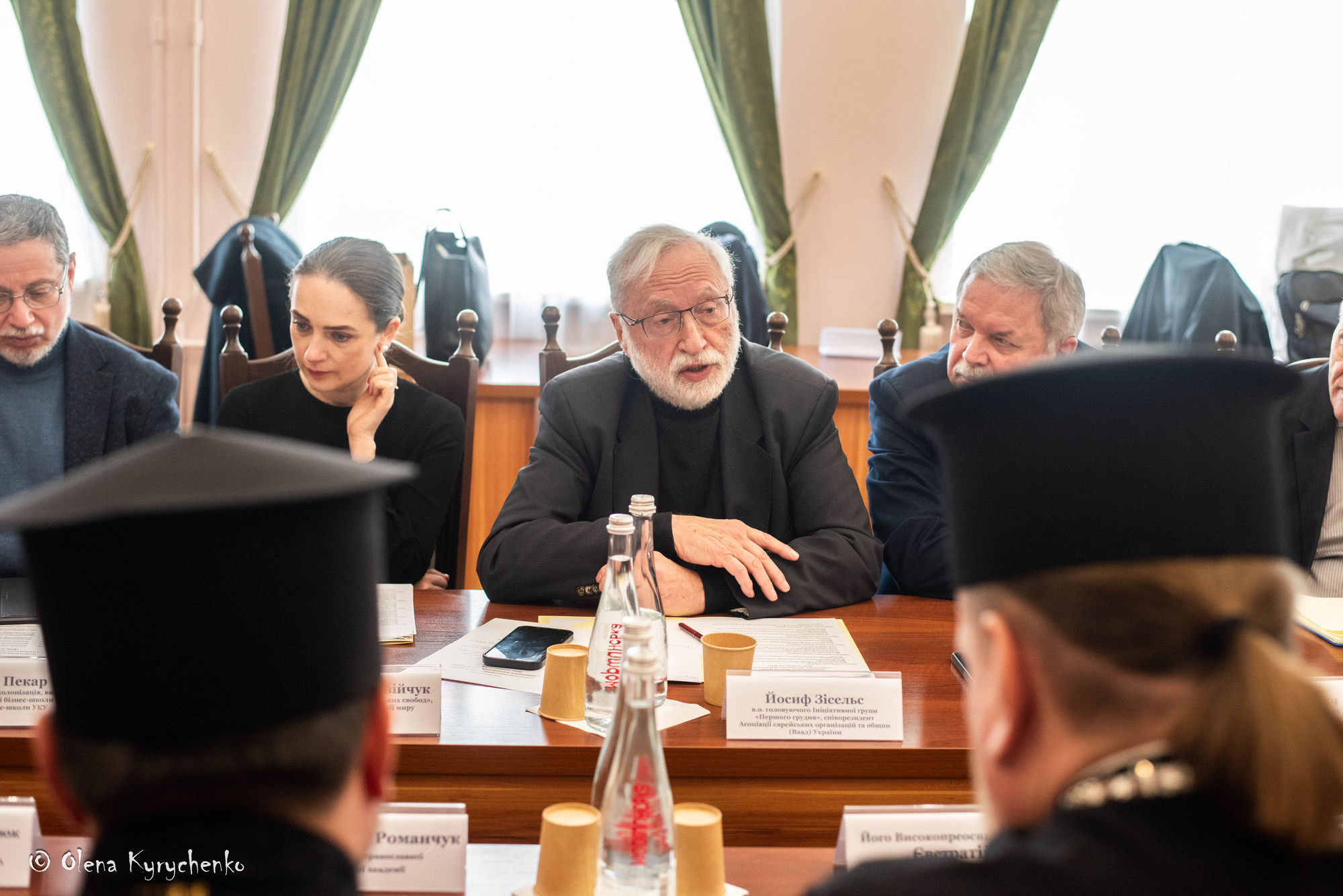
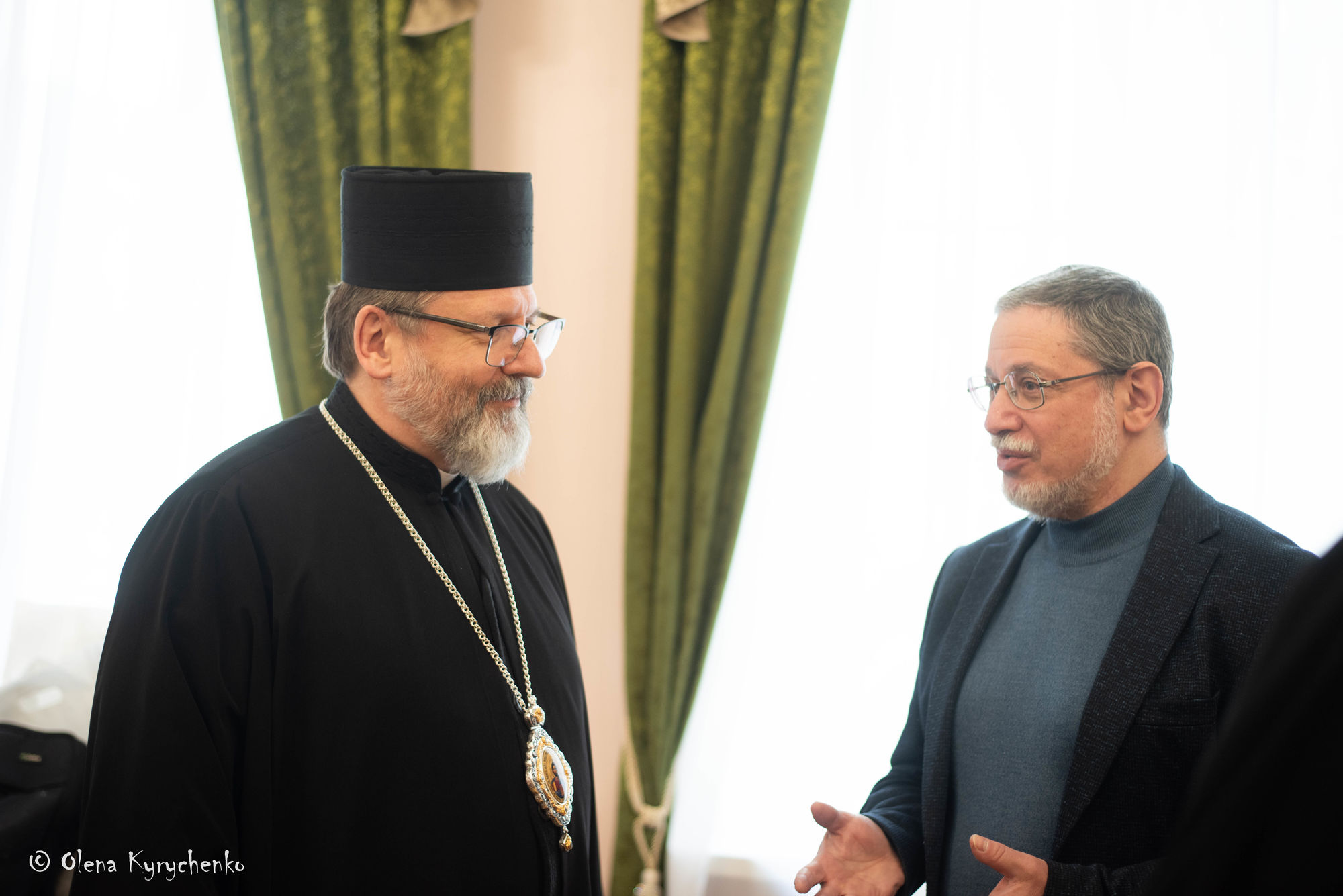
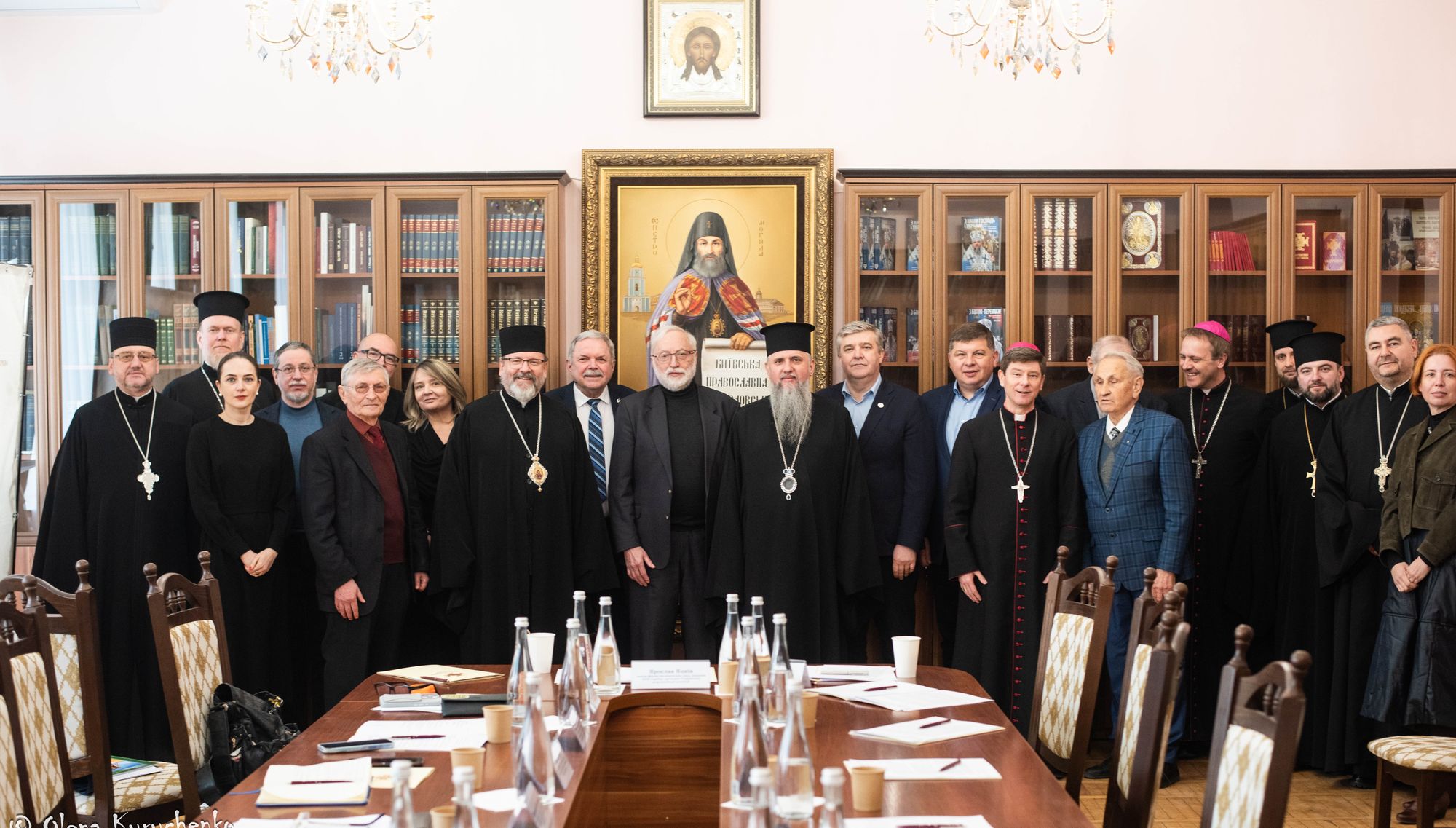
On April 29, a meeting took place at St. Michael’s Golden-Domed Cathedral in Kyiv between the “December First” Initiative Group and the leadership of Ukraine’s Christian churches, including the Ukrainian Greek Catholic Church, the Orthodox Church of Ukraine, the Roman Catholic Church, and Protestant communities. The participants discussed the current state of Ukrainian society and explored ways to strengthen cooperation in pursuit of Ukraine’s spiritual victory.
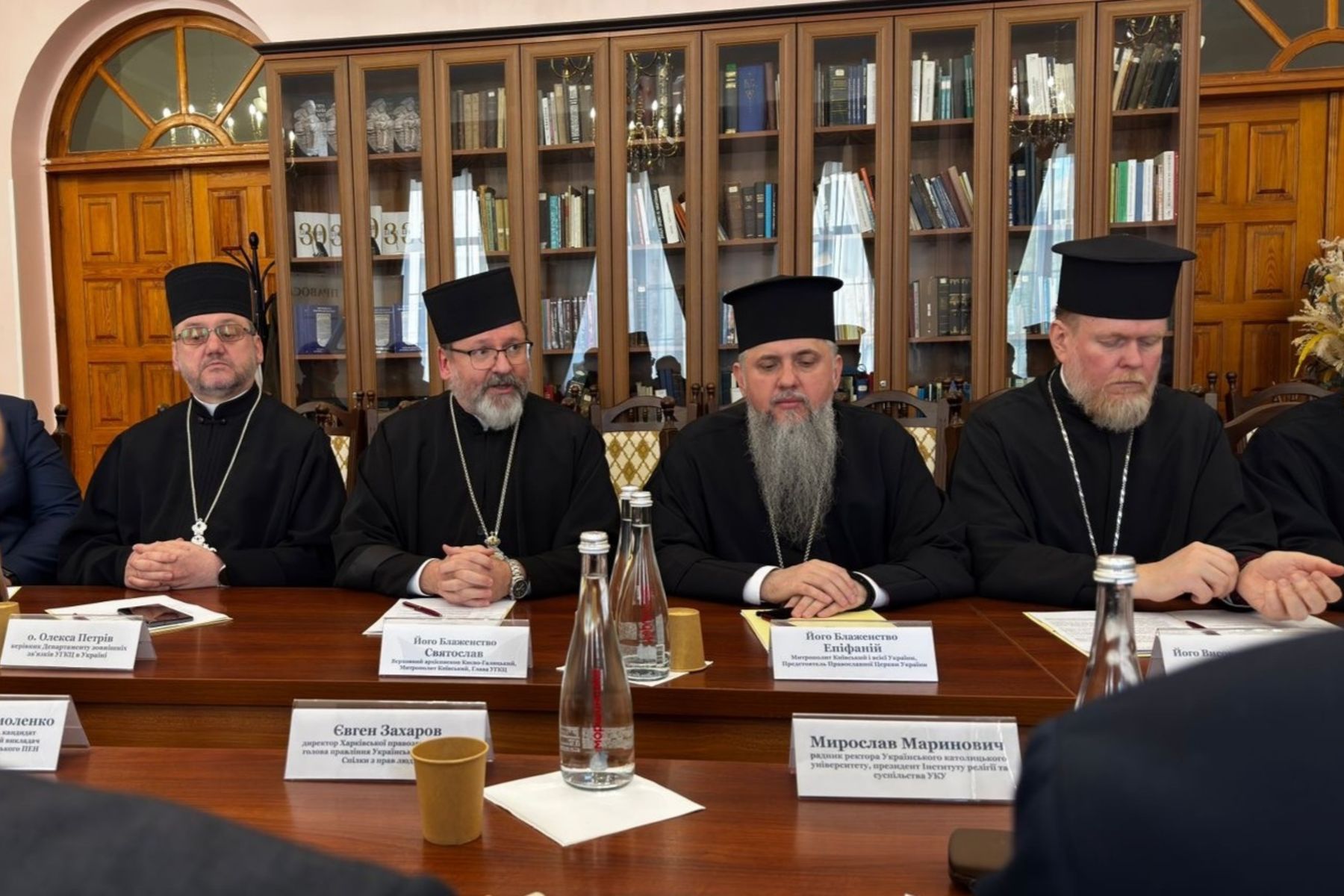
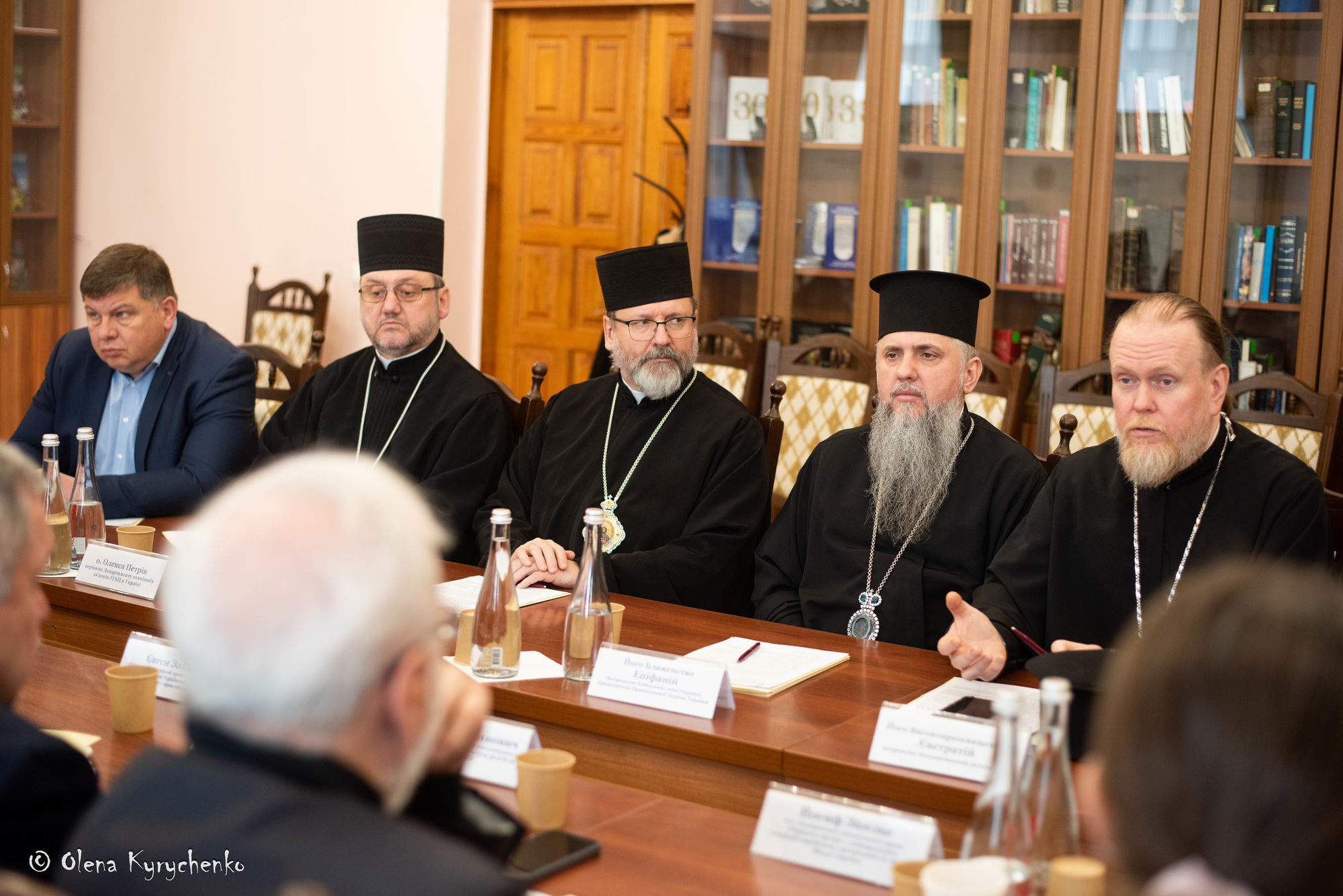
The event was attended by members of the First of December Initiative Group, including scholars, human rights activists, public figures, and moral authorities of Ukrainian society. The Ukrainian Greek Catholic Church was represented by His Beatitude Sviatoslav, Head of the UGCC; Fr. Oleksa Petriv, Head of the UGCC Department for External Relations in Ukraine; Fr. Ihor Shaban; and Fr. Oleh Oleksa, Secretary to the Head of the UGCC.
The Partnership Between the Churches and Society: The Voice of Ukraine’s Conscience
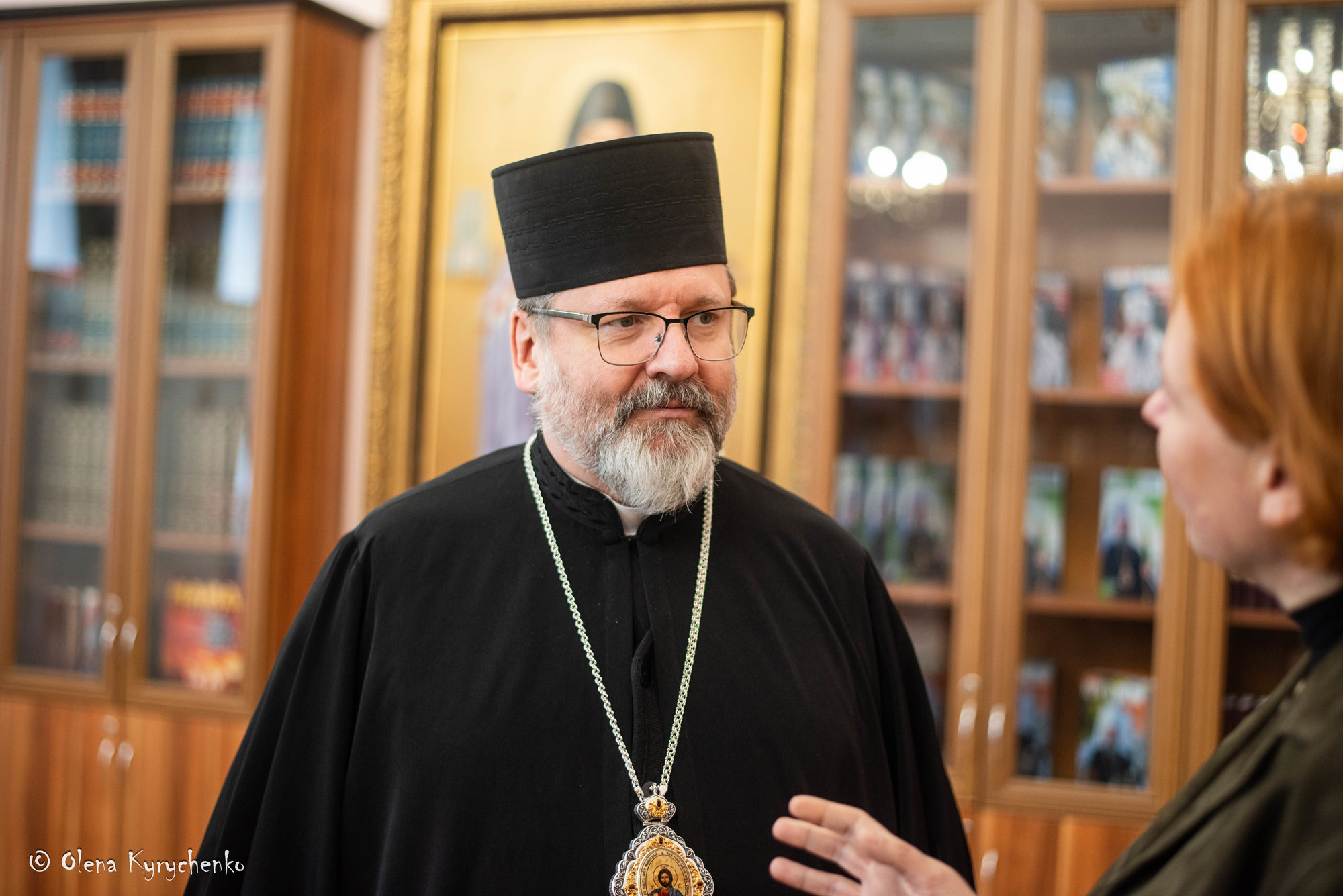
In his address, His Beatitude Sviatoslav emphasized the importance of continuing cooperation between the Churches and civil society in times of war and social challenges.
“I am one of those who 15 years ago addressed civil society on behalf of the Churches with an appeal,” the Head of the UGCC recalled, referring to the beginnings of cooperation that emerged during the turbulent socio-political period of 2011.
He noted that at that time, three different Churches—the UGCC, the Orthodox Church of the Kyiv Patriarchate, and the Moscow Patriarchate—jointly prepared a historic statement on the spiritual and moral causes of the socio-economic crisis.
“The very fact that three such different Churches were able to prepare such a statement at that time was truly unprecedented,” emphasized His Beatitude Sviatoslav.
According to him, the response to this call was the creation of the First of December Initiative Group, which for 15 years has served as the voice of the Ukrainian people’s conscience.
“Conscience, in the Christian understanding, is the voice of God in the human heart. This voice becomes a moral compass, especially in the darkest times, when we do not fully understand how to act. Over the past 15 years, the initiative has fulfilled precisely this role,” he emphasized.
He also recalled such figures as Blessed Lubomyr Husar, Bohdan Hawrylyshyn, and Yevhen Sverstiuk, who stood at the origins of the initiative, noting that their moral authority continues to inspire Ukrainian society today.
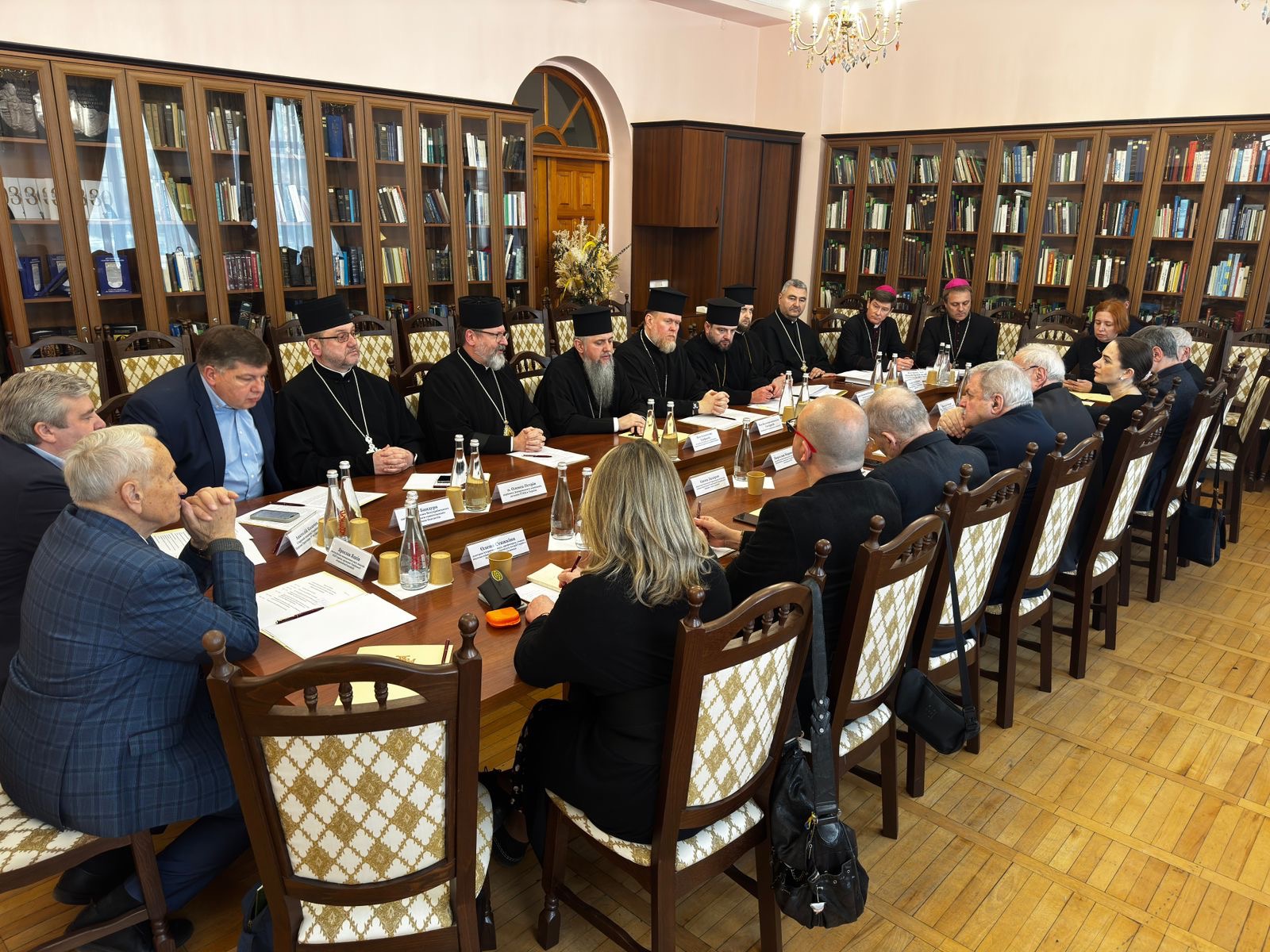
The Head of the UGCC stressed that, in the current context of war, continued cooperation between the Churches and civil society is especially important.
“We are here to renew our appeal to society: without moral and spiritual foundations, the renewal of our social life is impossible. To defeat the enemy, we must be spiritually and morally superior to the enemy,” stated His Beatitude Sviatoslav.
In his view, this is where the key to Ukraine’s strength lies—its ability to overcome all obstacles and to find divine light in these difficult times.
His Beatitude Sviatoslav also noted the expansion of interfaith cooperation compared to 2011: “At that time, only the three largest Churches spoke with one voice. Today, there are more of us,” he said, thanking representatives of the Roman Catholic Church and Protestant communities for their participation.
The Head of the UGCC further emphasized that the texts produced by the December First Initiative over the past 15 years must be preserved for future generations: “They must not be lost to history. They are so necessary for everyone today.”
He also assured those present of the UGCC’s openness to continued collaboration: “Our Church has always been a catalyst for social processes, and today, together with our brothers—the leaders of other Christian denominations in Ukraine—we are ready for this partnership between the Church and society.”
Healing the Wounds of War and Overcoming “Colonial Trauma”
In his concluding remarks, the Head of the UGCC drew attention to another dimension of contemporary challenges—the collective trauma of the Ukrainian people, which, in his words, requires deep reflection and healing.
“We are facing an accumulation of different traumas. When we speak of corruption, it is always linked to colonial trauma. Now, this post-colonial, post-genocidal trauma is further exacerbated by the trauma of war,” he noted.
He emphasized that this is why the Church is developing a pastoral strategy titled “Healing the Wounds of War”: “We must take responsibility for healing these wounds. This is where we must seek partnership among ourselves.”
According to the Primate, only the united voice of the Churches, intellectuals, and civil society is capable of effectively addressing complex issues, including corruption and the need for difficult but necessary reforms.