“We Don’t Lose Hope Because We Are Christians”: Head of the Ukrainian Greek Catholic Church Gives Lecture in Cherkasy on the Resilience of Ukrainians
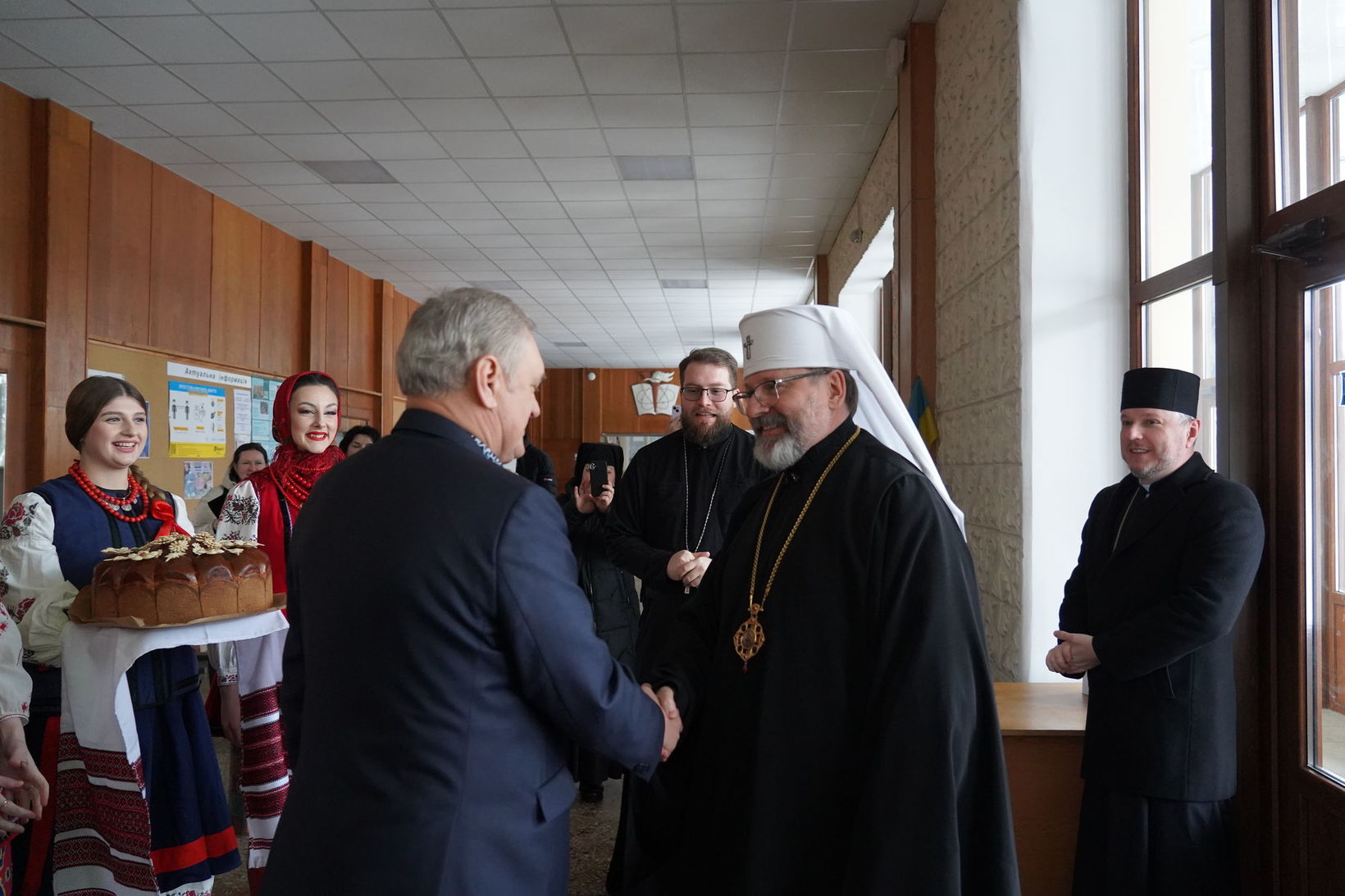
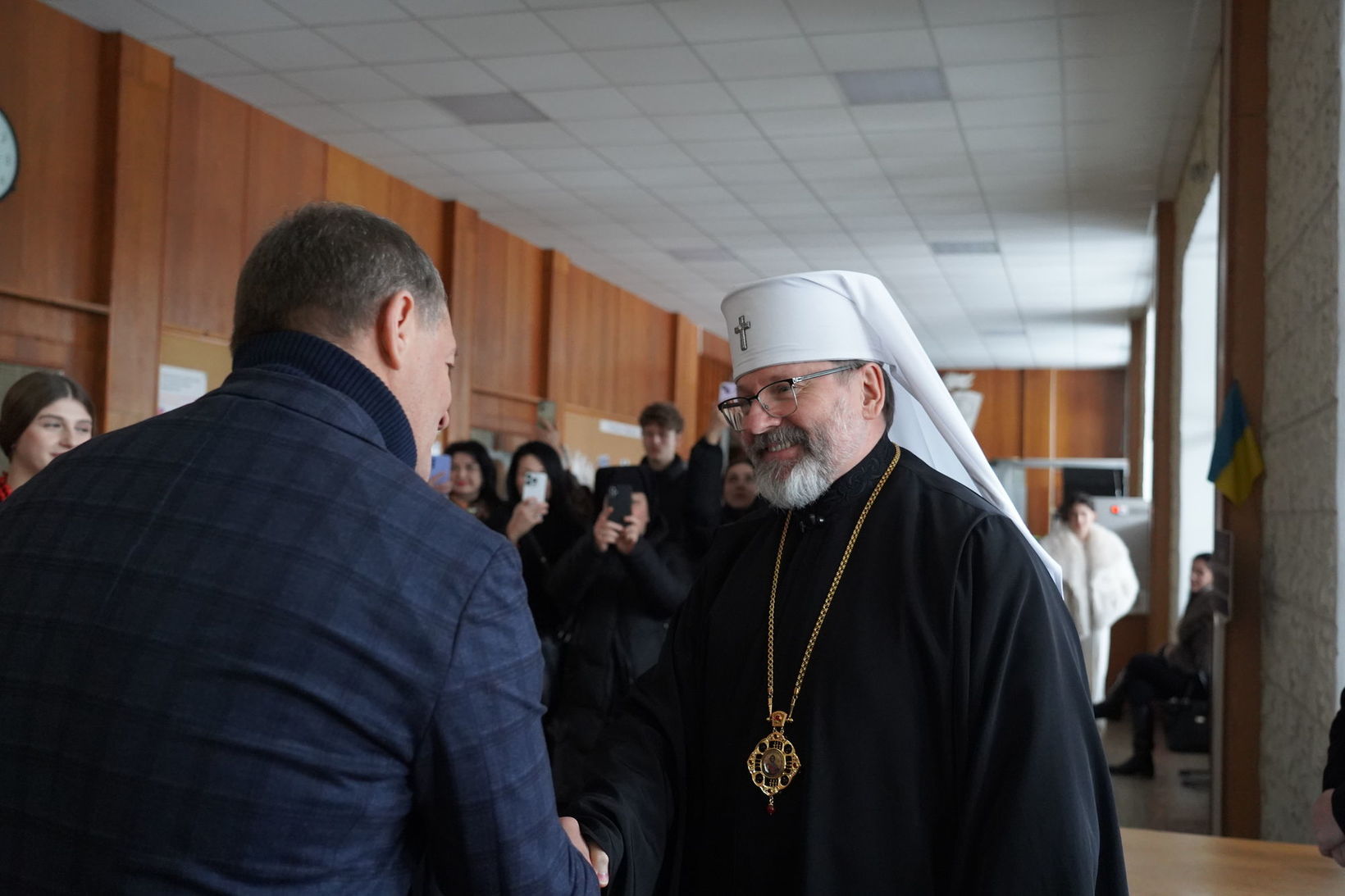
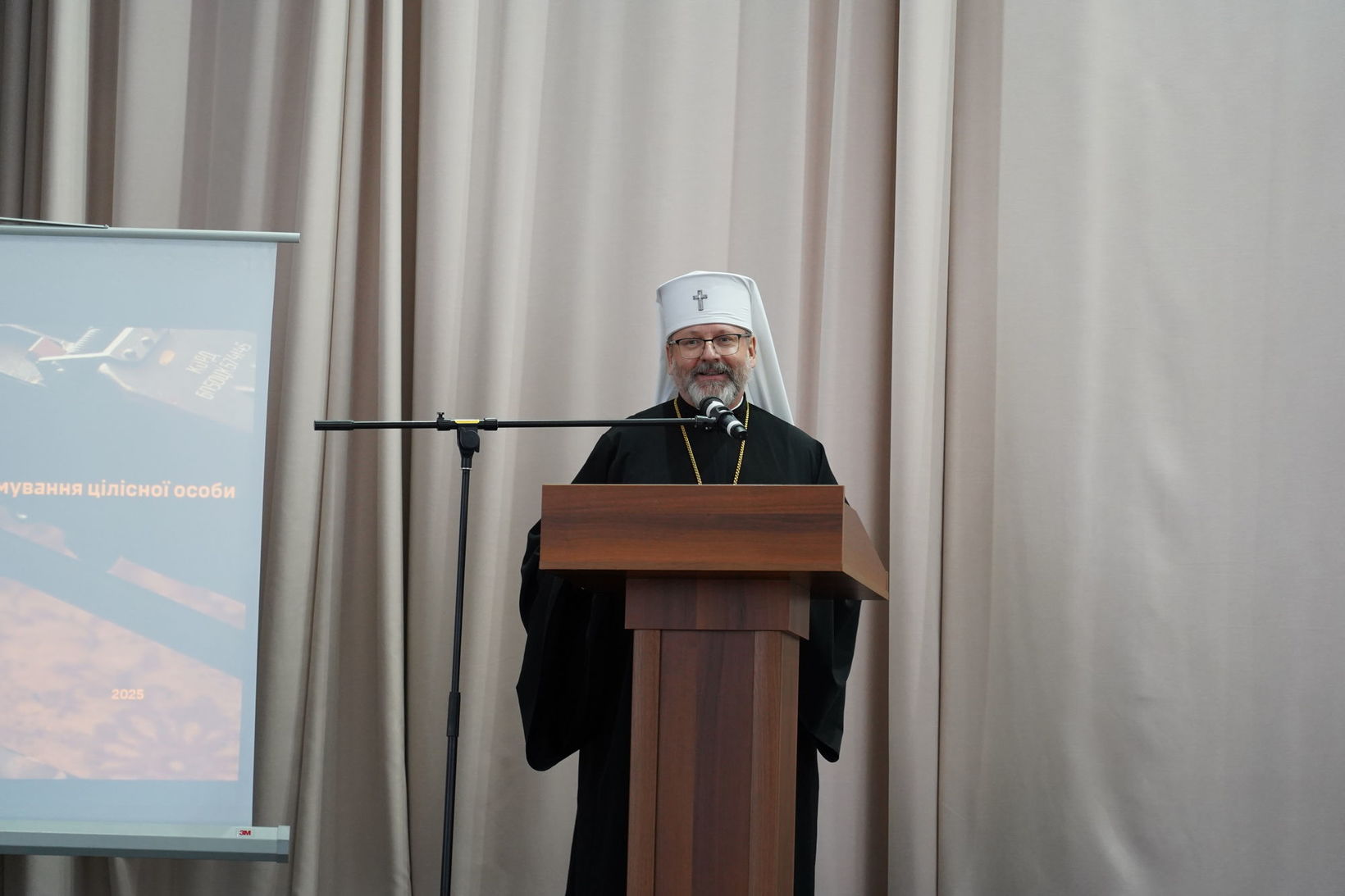
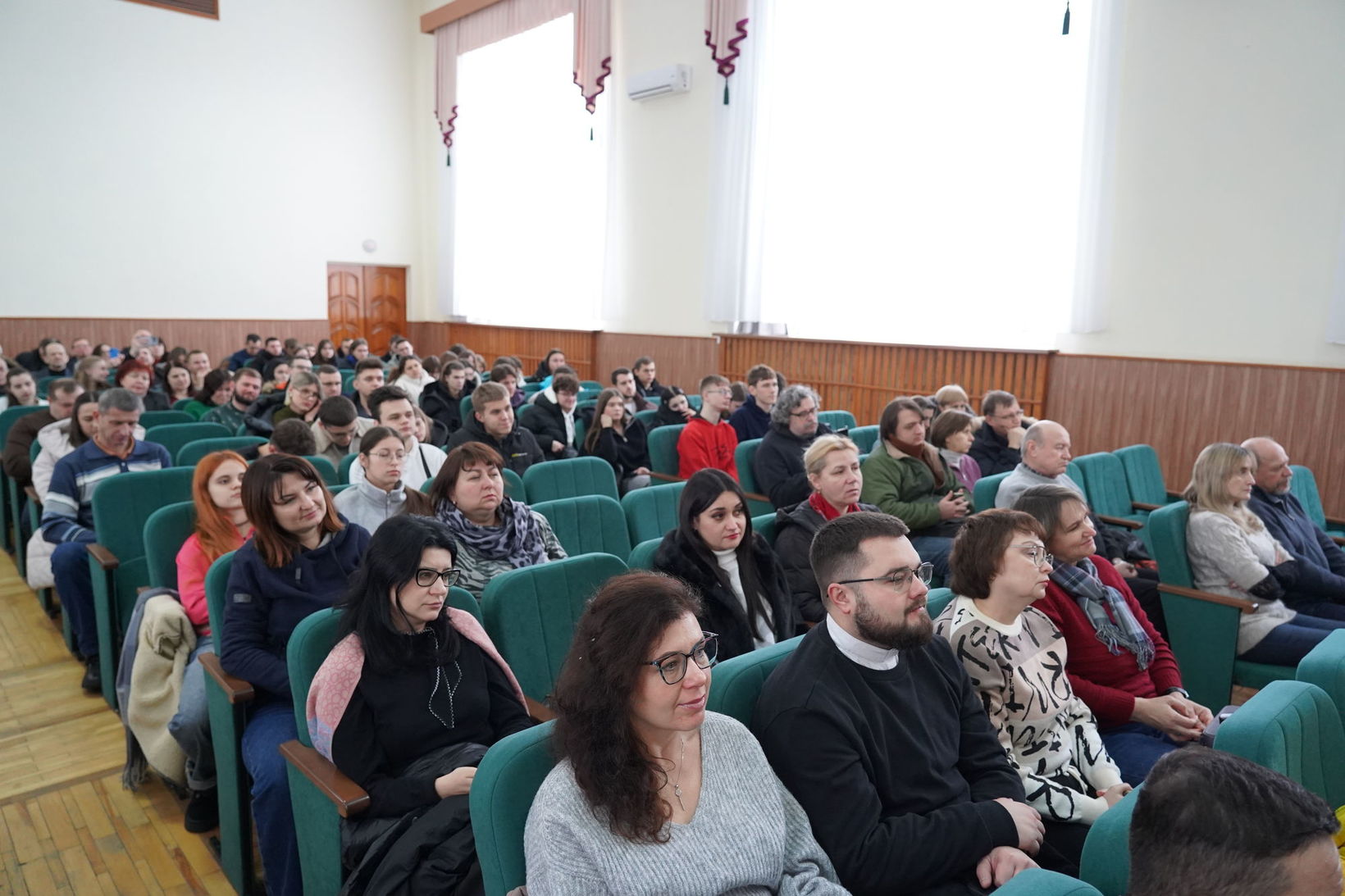
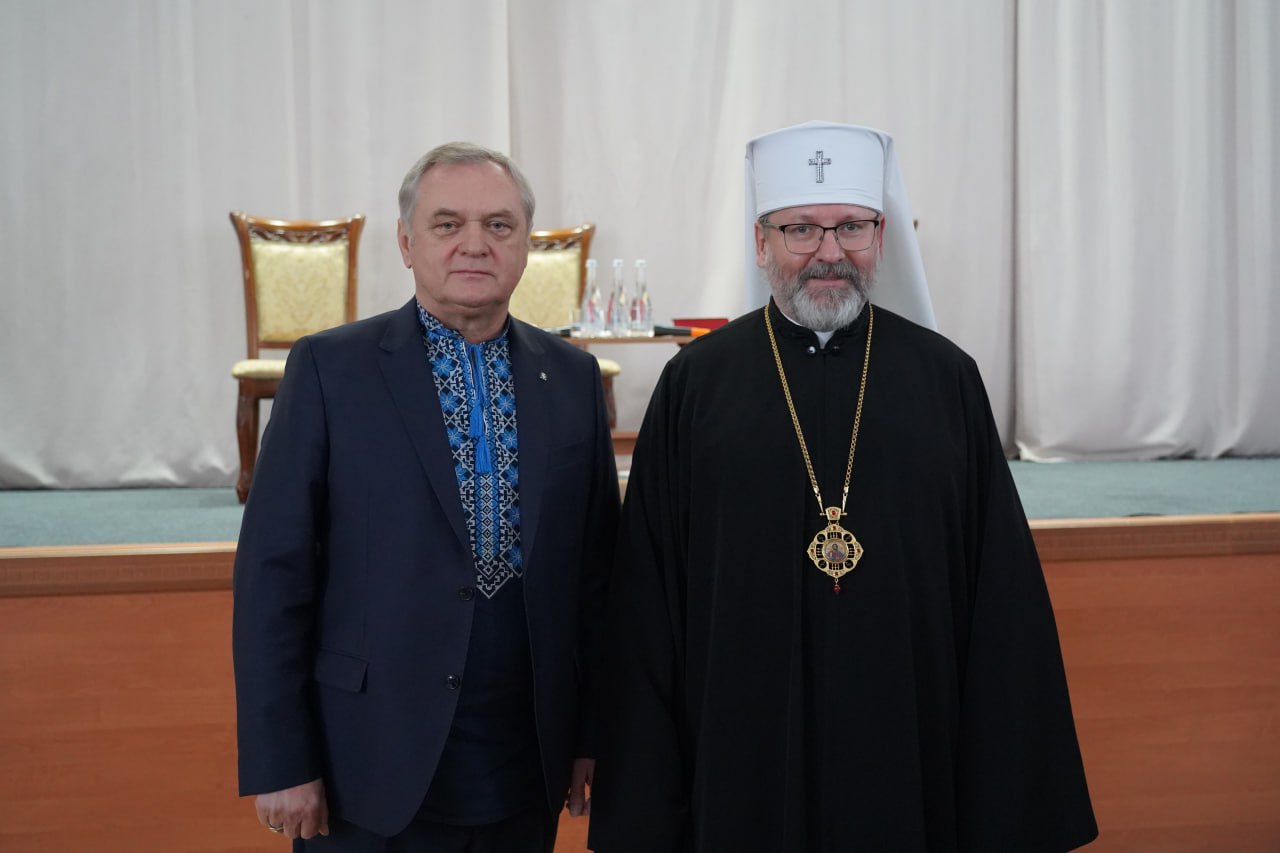
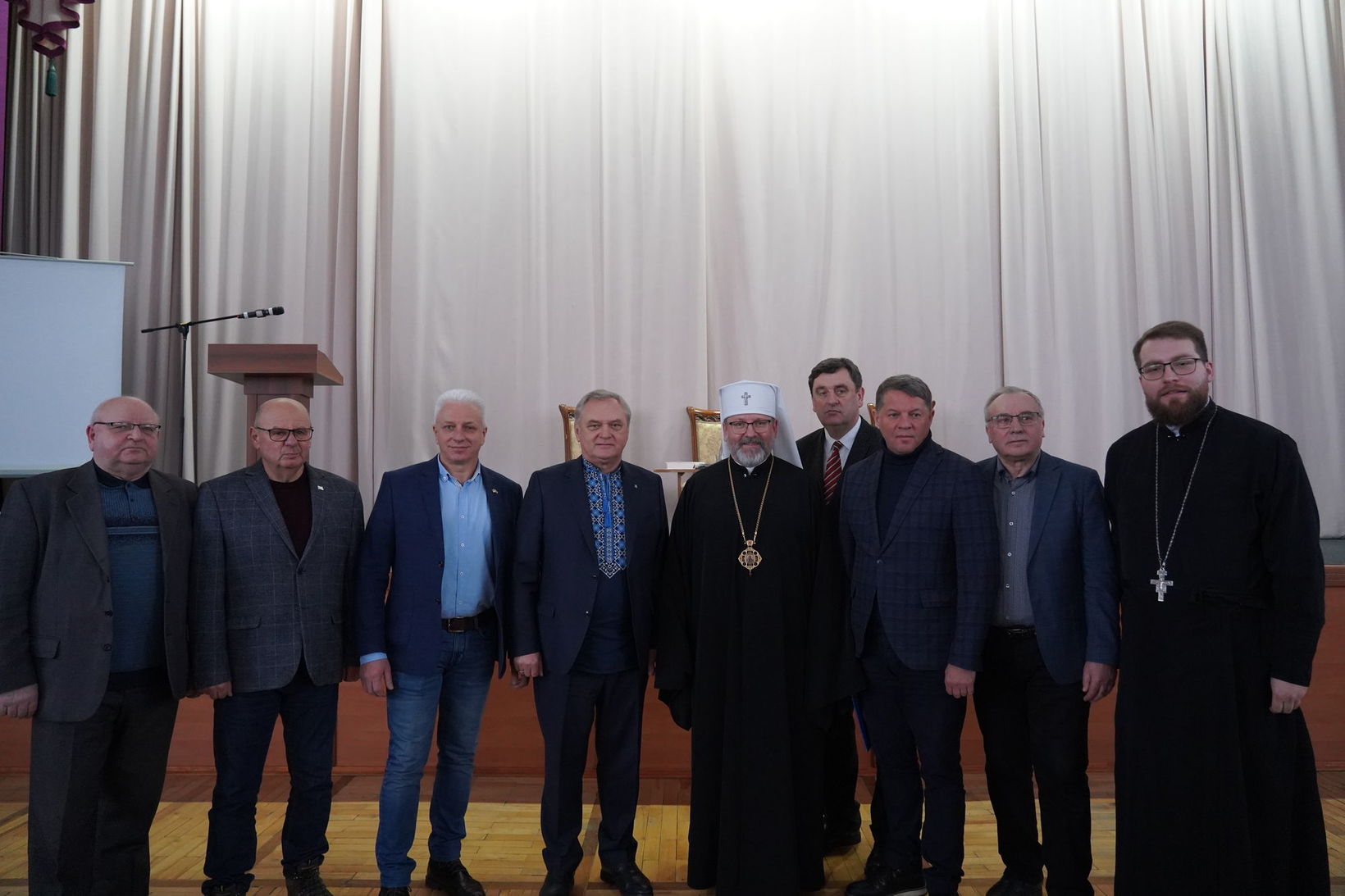
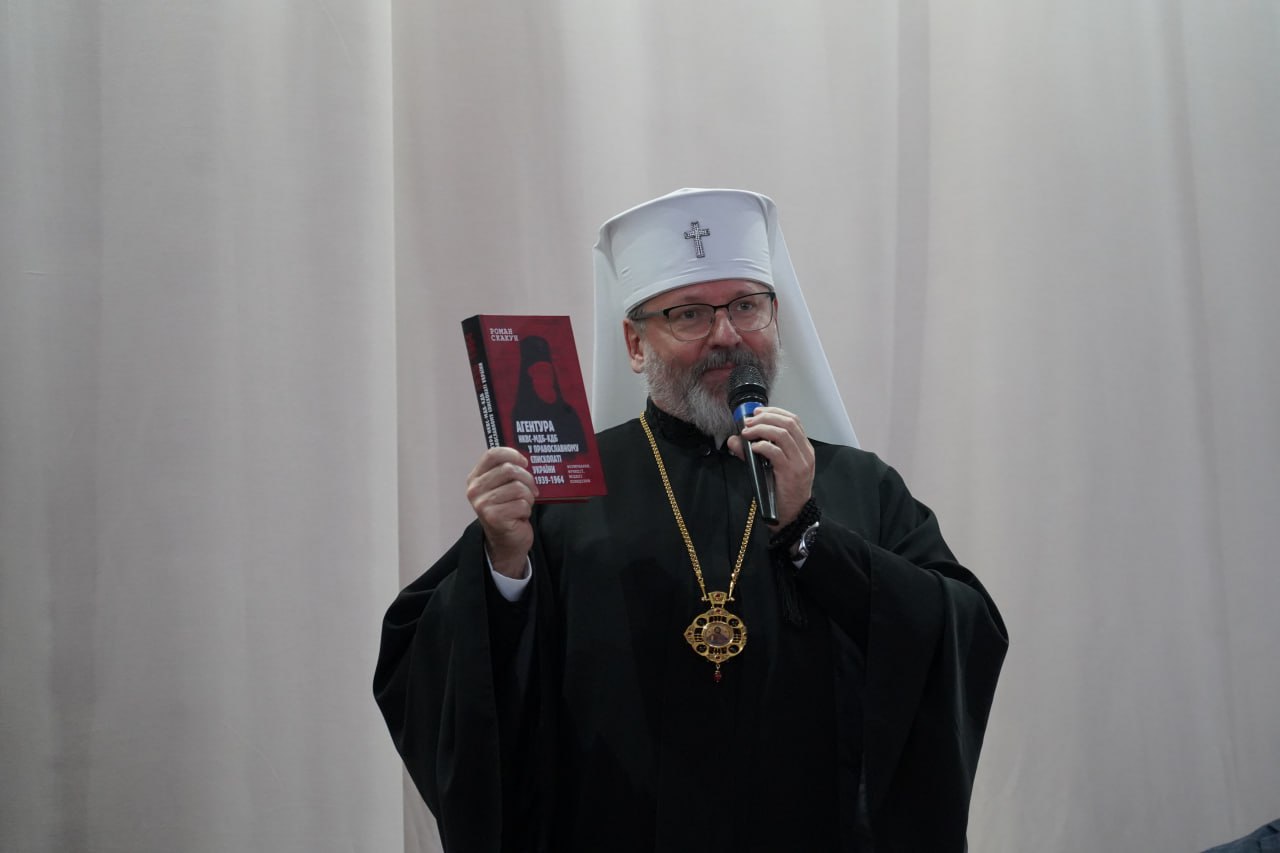
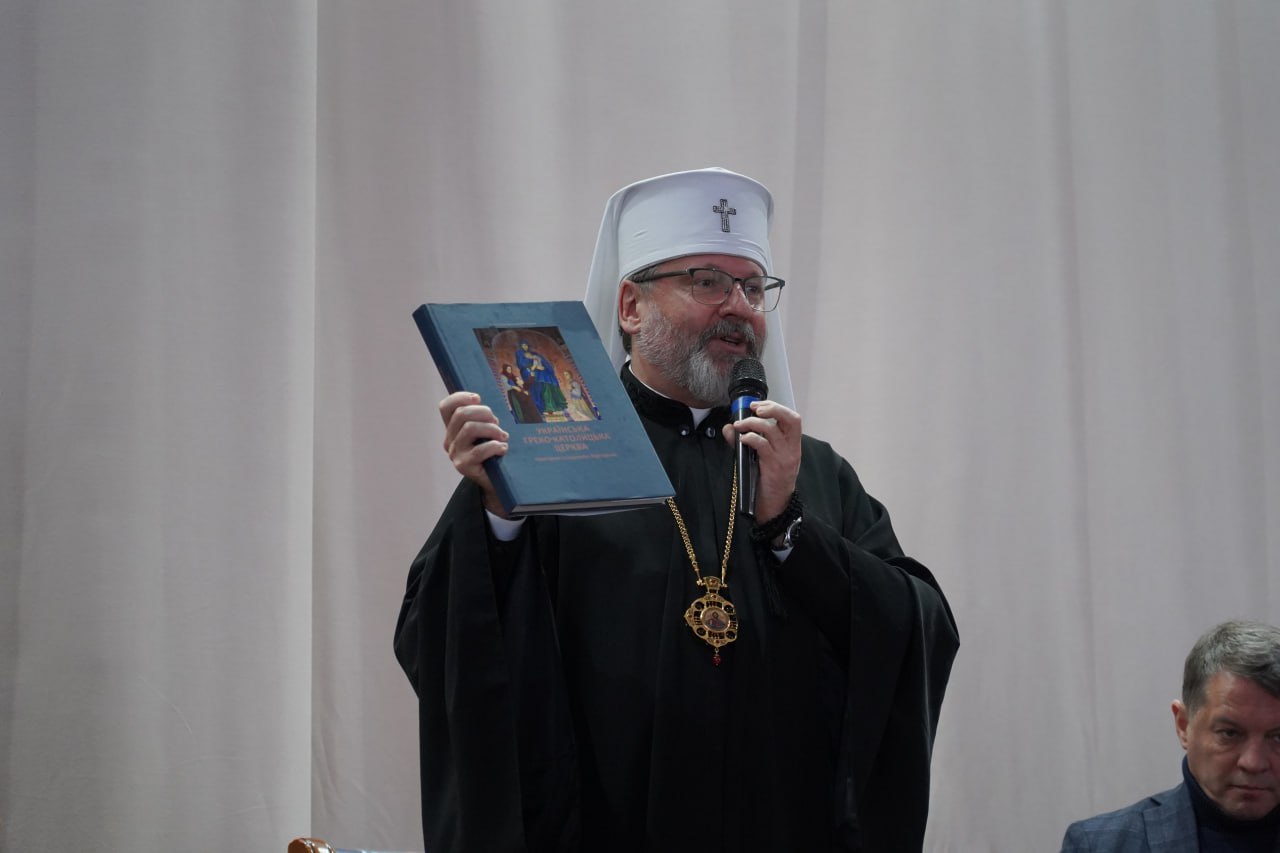
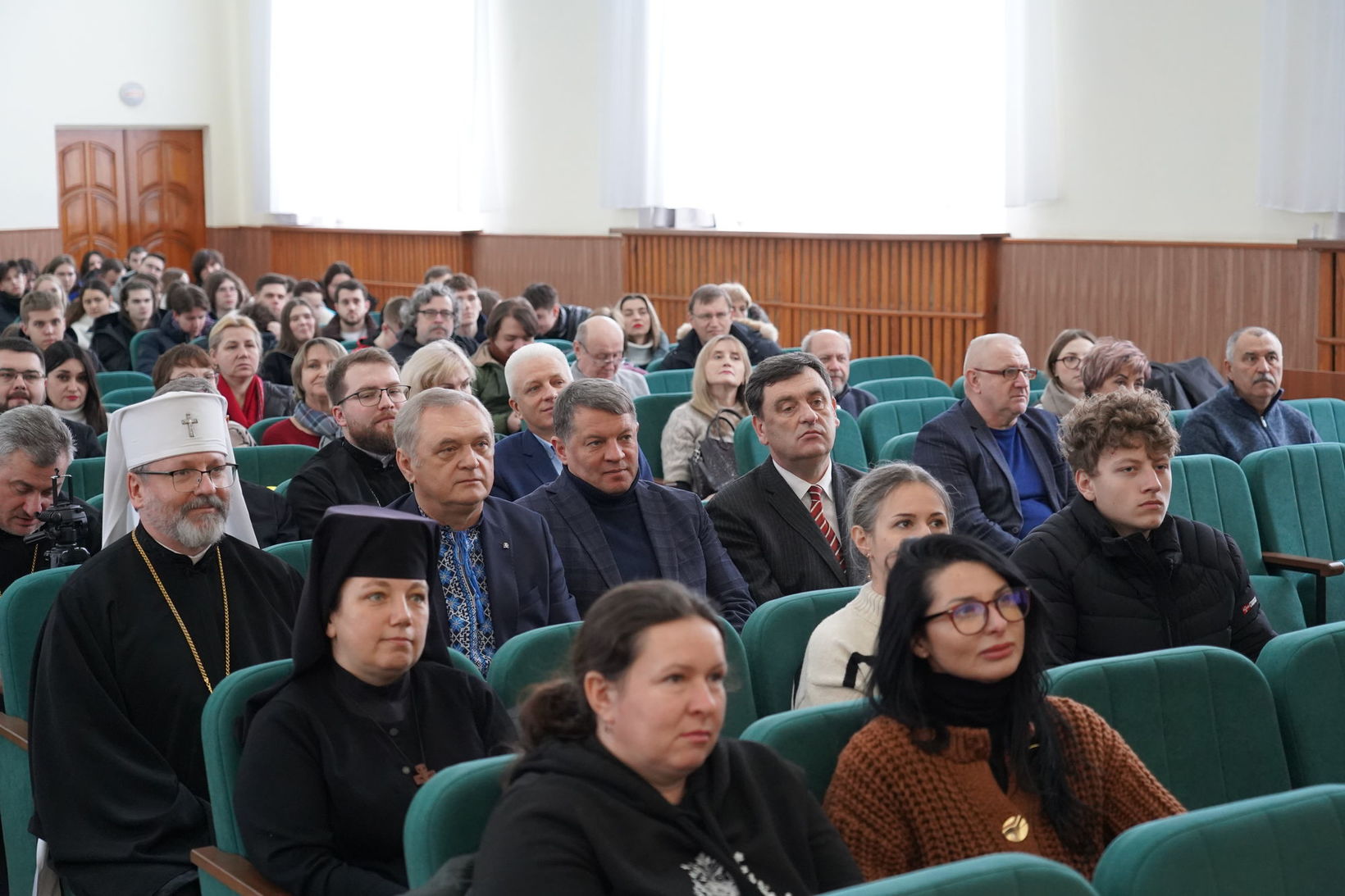
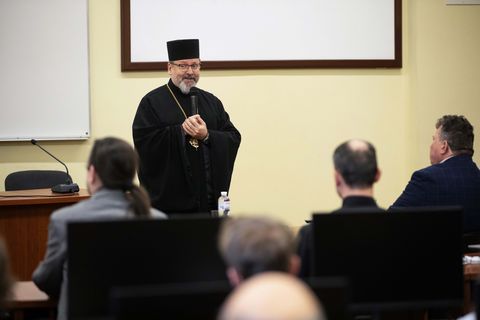
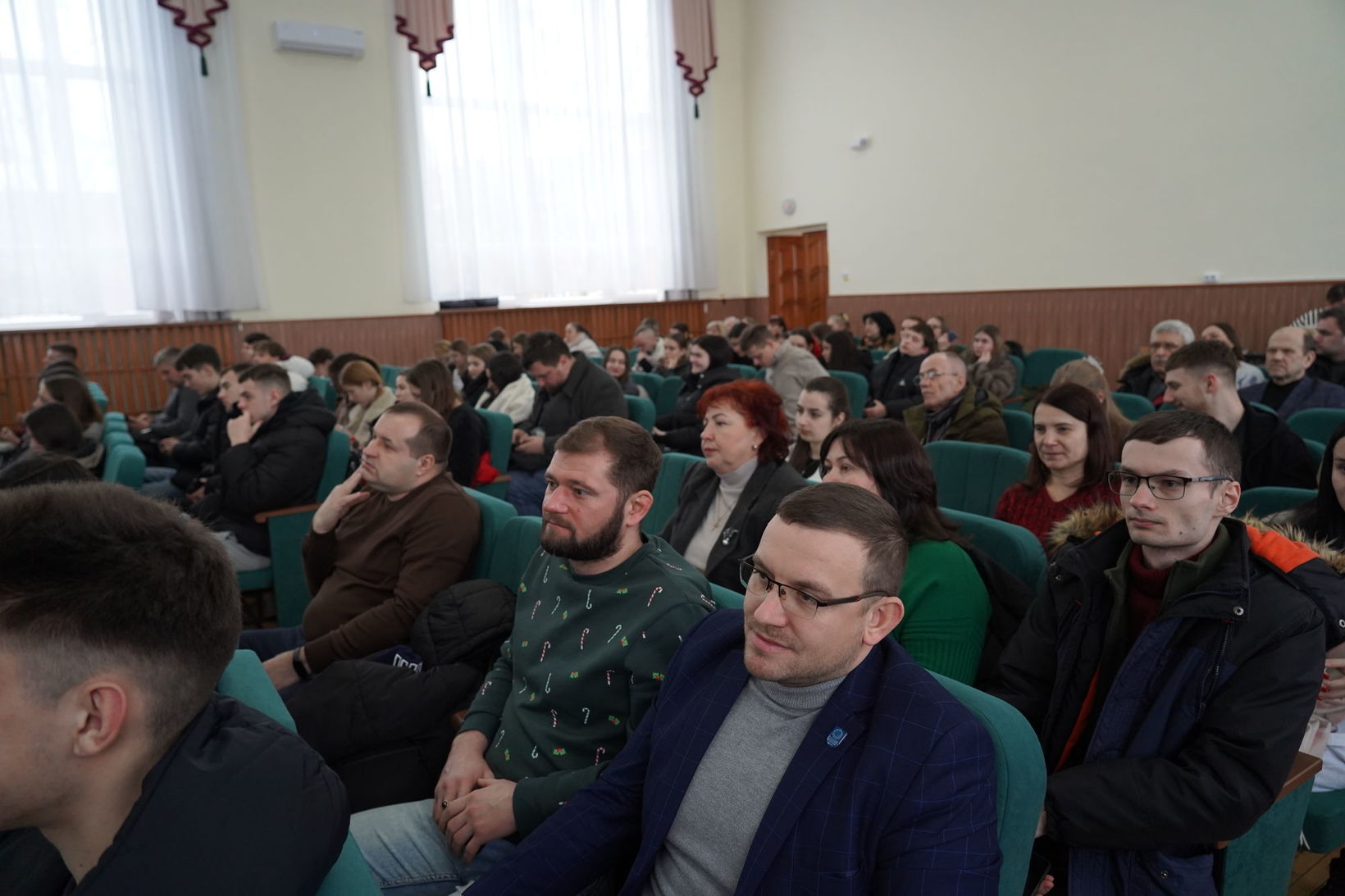
On January 9, on the first day of his pastoral visit to Cherkasy, His Beatitude Sviatoslav, Father and Head of the Ukrainian Greek Catholic Church, visited Bohdan Khmelnytsky National University of Cherkasy. During a meeting with students, teachers, and the public, the Primate of the UGCC gave a lecture entitled “Faith, Hope, Love: Resilience in Wartime.”
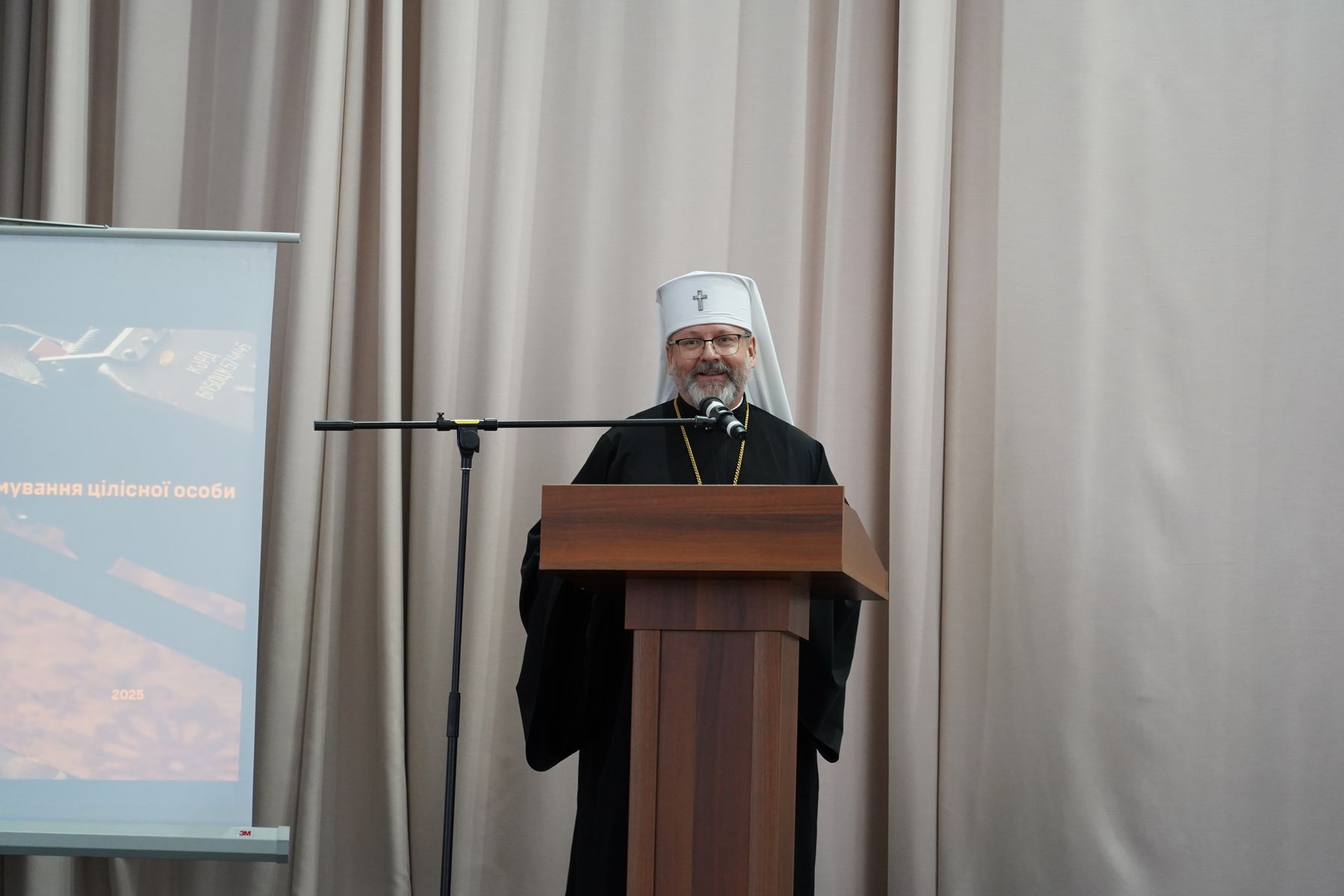
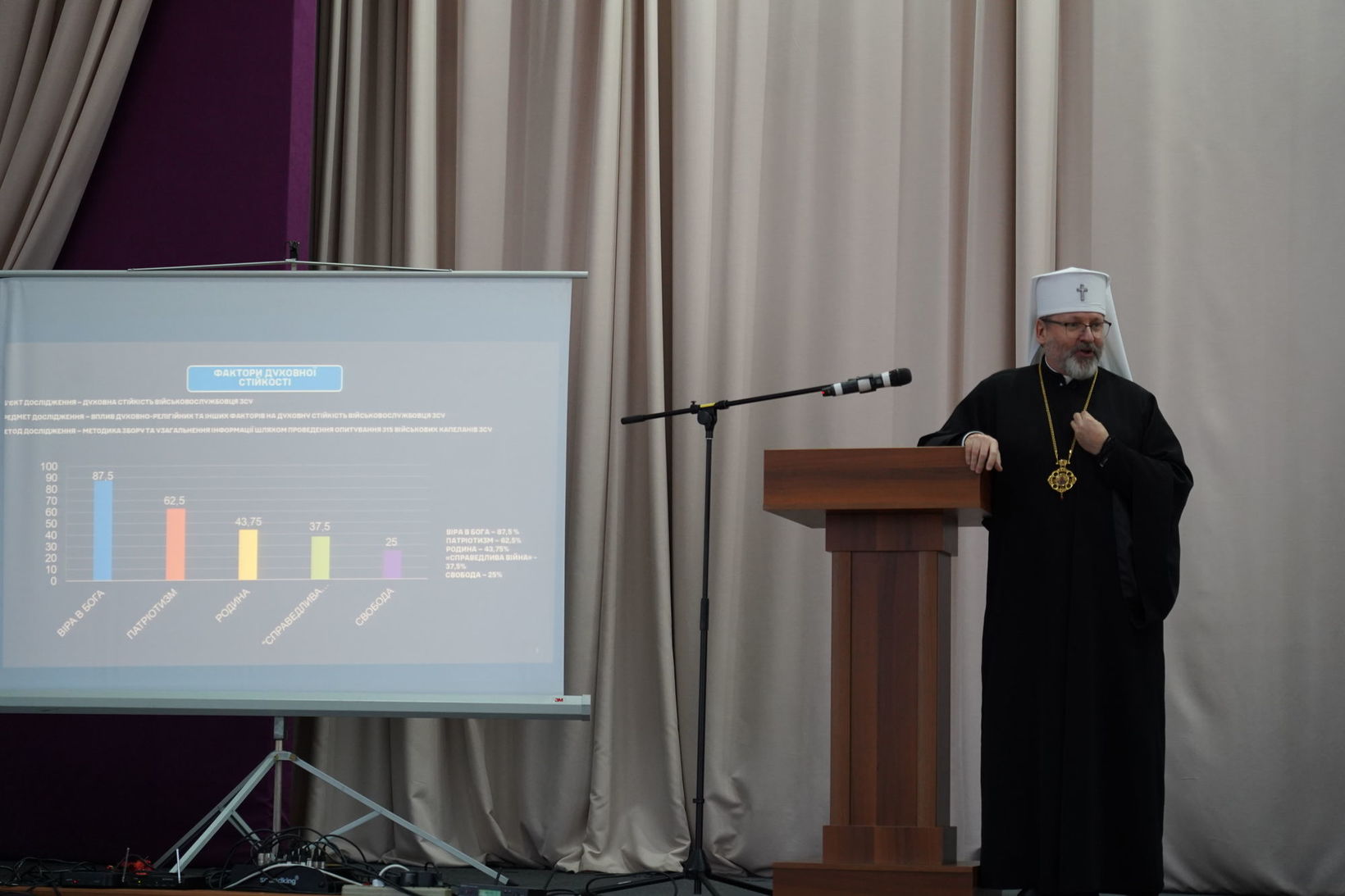
At the beginning of the meeting, His Beatitude Sviatoslav presented the findings of research conducted by military chaplains of the Armed Forces of Ukraine. These findings were presented several months ago to the Commander-in-Chief of the Armed Forces of Ukraine, General Oleksandr Syrsky.
The Primate emphasized that the Ukrainian Greek Catholic Church has a continuous tradition of military chaplaincy spanning more than two hundred years among Ukrainians in different times and formations. In the 20th century, when it was necessary to form the institution of military chaplaincy in the modern Armed Forces of Ukraine, the Church was able to share its experience.
Referring to research, His Beatitude Sviatoslav noted that the main source of resilience for Ukrainian soldiers is faith in God—this was the response of 87.5 % of the military personnel surveyed. “This is not about faith as a doctrine. Faith in God means a relationship. It’s a person’s ability to communicate with their Creator and Savior. Those who face death feel that human life is something more than just earthly existence.”

The Primate pointed out that when people are at their nadir, they look for meaning and a source of strength: “Those who find God in this search have found the source of their own strength. Faith is the ability to reach the source of your life and the ability to live.”
According to the study, the second factor of resilience, with 62.5 %, is patriotism. “Patriotism is not hatred of the enemy”, emphasized the Head of the Church. “It drains the soul.” Man is created for love. You can be angry, hate a certain period of your life, your personal story. However, only love creates heroes, and hatred creates criminals.”
According to him, love for a homeland gives a person the inner motivation to act even when there is no external coercion: “When I love, I don’t need orders. Love explained everything to me.”
The third important factor in resilience is family, according to almost 44 % of respondents. His Beatitude Sviatoslav pointed to the deep crisis of the institution of family in Ukraine and the demographic challenges exacerbated by the war.
“Happy is the soldier who knows that he has a family that will accept him even if he is wounded, and will not leave his war wounds unattended. Today, the Ukrainian family is no less wounded than each of us,” noted the Head of the Church.
Another phenomenon of resilience, according to the Primate, is the awareness of the justice of the struggle. “We have the right and the duty to defend what is ours. As Christians, we love everyone, but we have no right to cede our freedom to anyone. And then all our efforts and actions take on new meaning.”
In his lecture, the Primate also addressed Christian anthropology, emphasizing that resilience is formed through the harmonious development of the body, mind, and spirit. “Health is not just about good test results. It is about the wholeness of a person. And spiritual life is prayer, the Word of God, reflection, and spiritual exercises. Prayer is the breath of the soul.”
In conclusion, His Beatitude Sviatoslav emphasized the internal connection between the three theological virtues. “Faith is the beginning of the journey. Hope is the virtue of traveling. Love is what fulfills us. Christian hope is not a feeling, but a seed of eternal life sown in the human heart.”
He then shared a personal recollection from the beginning of the war in 2014, when he was at the Apostolic Nunciature in Ottawa. “I had a meeting with Canadian bishops, and one of them, reading the news from Ukraine, asked me, ‘You there in Ukraine, don’t you have hope?’ I said, ‘Your Excellency, of course we do! Because we are Christians. We believe in God. He renews our strength and inspires us to love Ukraine. This hope is the source of our resilience and our drive to move forward.’”
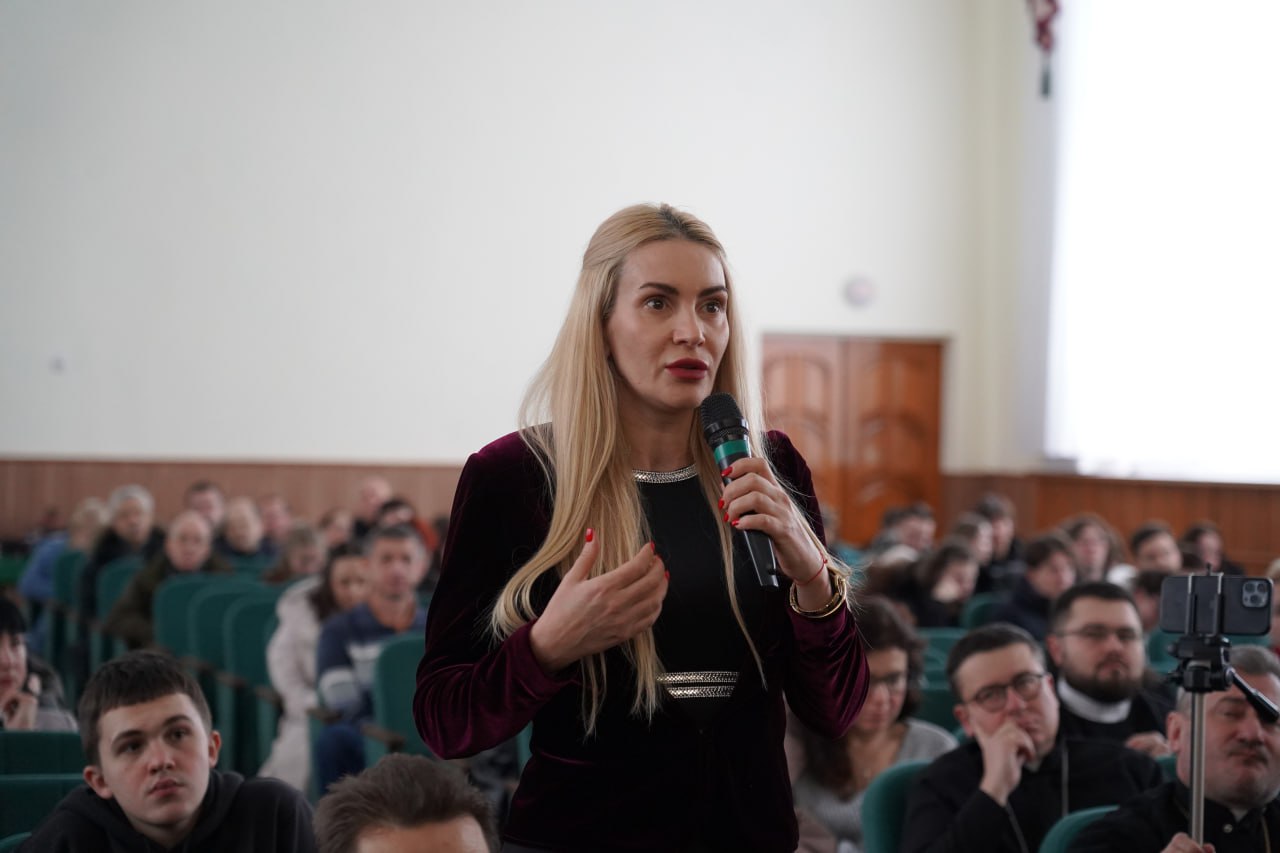
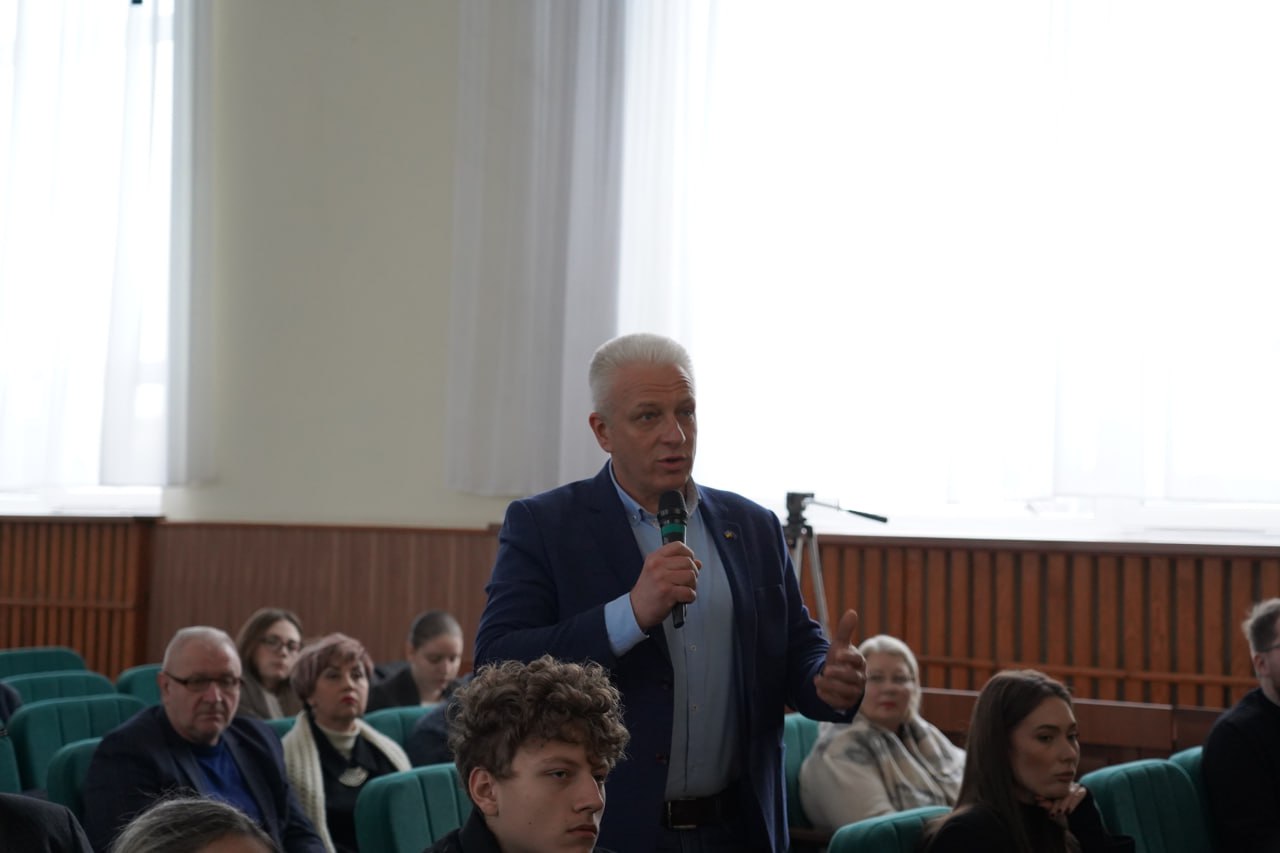
During his conversation with students, His Beatitude Sviatoslav also answered questions about Ukrainians abroad. He emphasized that the Church is working to maintain the diaspora’s connection with Ukraine through parishes, education, and culture, while stressing the important role of state policy in bringing citizens back after the war.
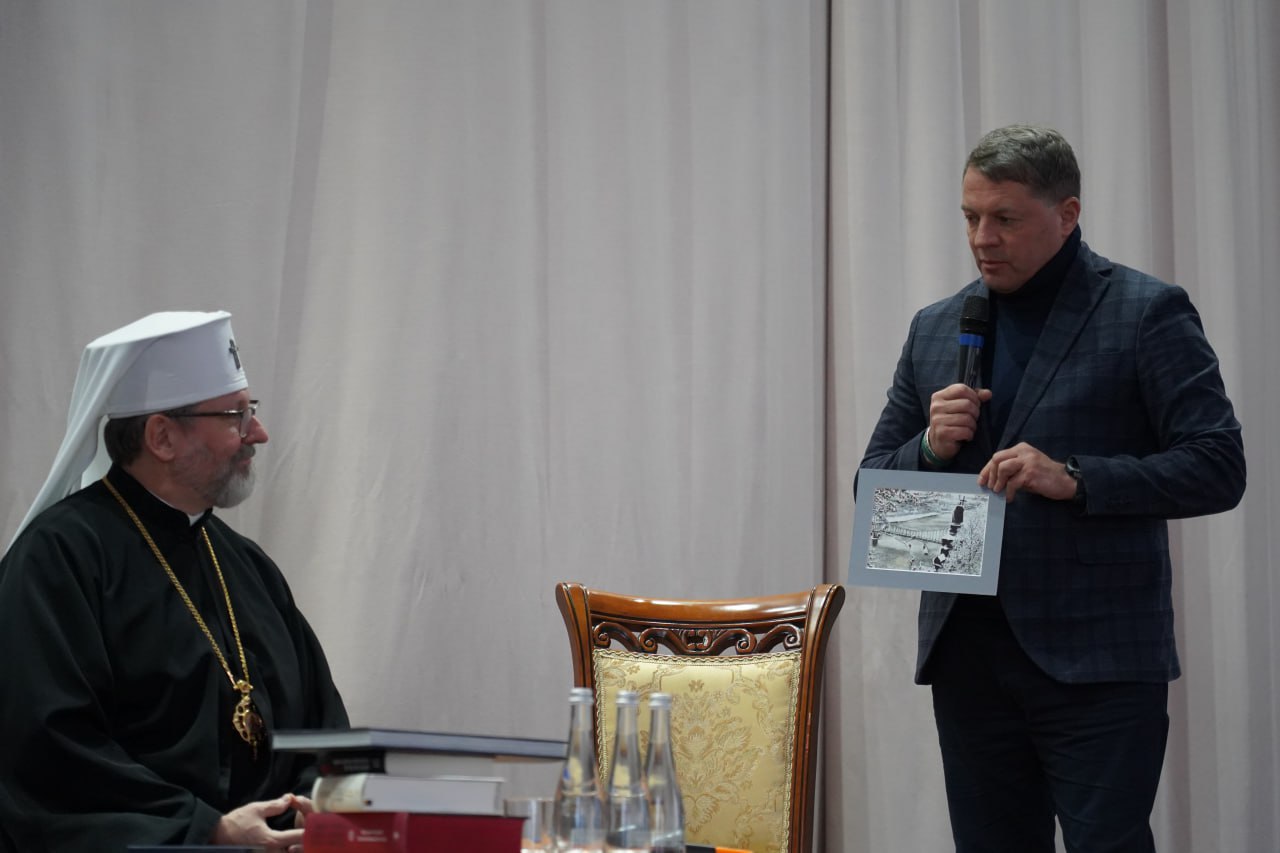
At the end of the meeting, the Head of the UGCC presented the university with publications, including two of his own—a daily chronicle of the first year of the war in Ukraine, Ukraine Stands! Ukraine Fights! Ukraine Prays! and Apocrypha: Four Conversations about Lesya Ukrainka, co-authored with writer Oksana Zabuzhko. The Primate was also presented with works of art in memory of his visit to the university.