Synod of Bishops of the UGCC 2026: 10 Questions About the Year’s Most Important Event in the Life of the Church
What really hapens behind the doors of the synod hall, and why does it matter not only to the bishops? We answer the 10 most crucial questions.
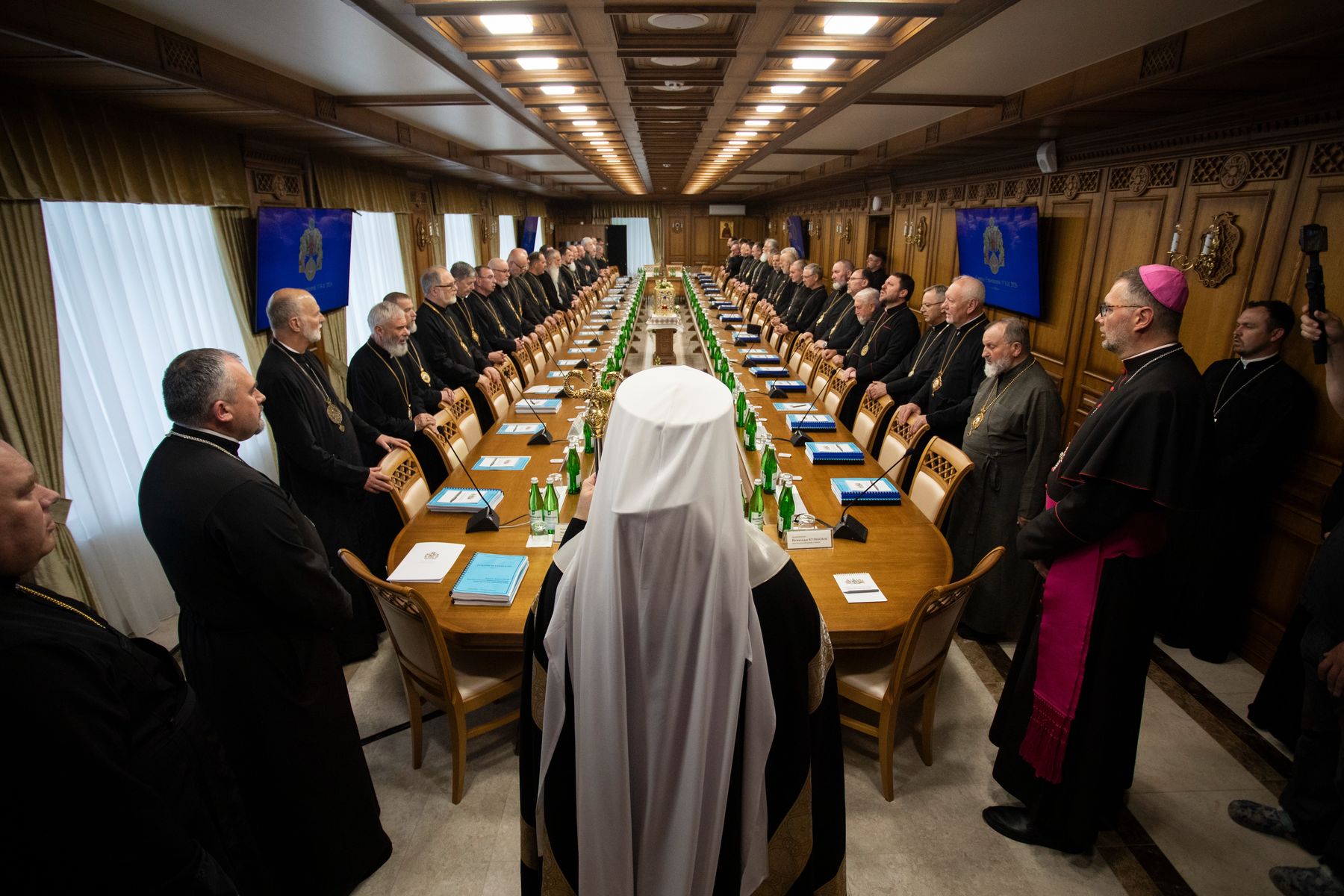
From July 1 to 10, the Marian Spiritual Center “Zarvanytsia” is the venue for bishops of the Ukrainian Greek Catholic Church arriving from various parts of the world. It is here that the regular Synod of Bishops of the UGCC is taking place—an event that will determine important directions for the life of the Church in the coming years.
1. What is the Synod of Bishops of the UGCC?
The Synod of Bishops is the highest governing body of the Ukrainian Greek Catholic Church. Together with the Father and Head of the UGCC, it adopts the most significant legislative, administrative, pastoral, and judicial decisions pertaining to the life of the Church in Ukraine and abroad.
The Synod comprises all consecrated bishops—eparchial, titular, and emeritus—including those serving in Ukraine and those ministering in dozens of countries around the world.
Thus, the Synod of Bishops is a visible sign of the unity of the entire global Ukrainian Greek Catholic Church, regardless of continental boundaries or national borders.
2. Why is the Synod one of the most important events of the year?
Because it is here that the vision for the Church’s development is shaped.
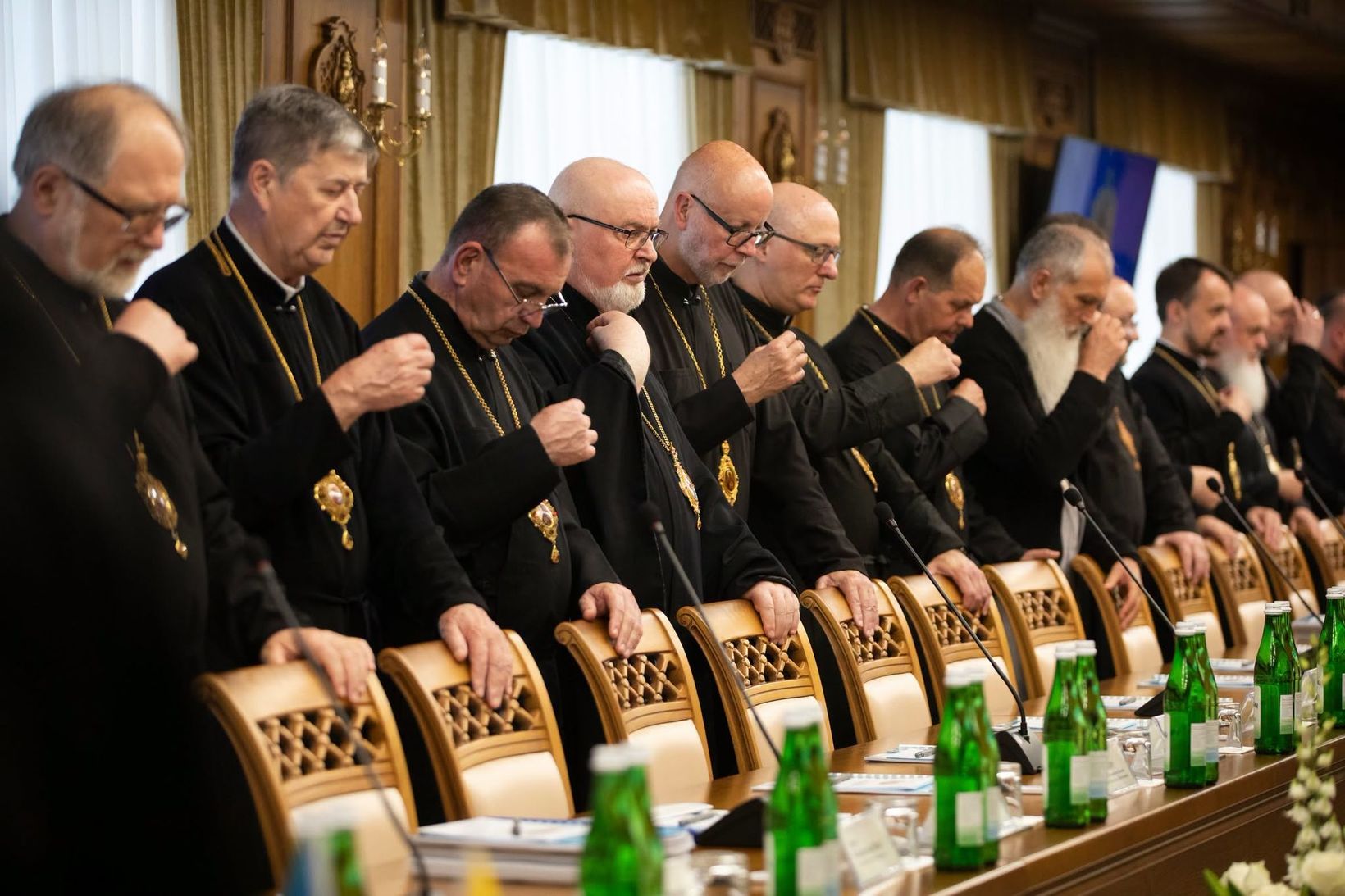
During the sessions, the bishops discern the “signs of the times,” analyze contemporary challenges, reflect on the needs of the clergy and laity, adopt resolutions, ratify important documents, elect new bishops when necessary, and shape pastoral priorities.
Most of the decisions that are later implemented in eparchies, monasteries, and parishes originate from these synodal discussions.
Interesting Fact
The Synod is not a one-time event.
The bishops work synodally throughout the year, but it is the annual gathering that provides an opportunity to meet in person and discuss the most pressing issues facing the Church, share their experiences, and work together to reach joint decisions.
3. How does the Synod unfold?
Contrary to popular belief, the Synod is not merely a series of working sessions.
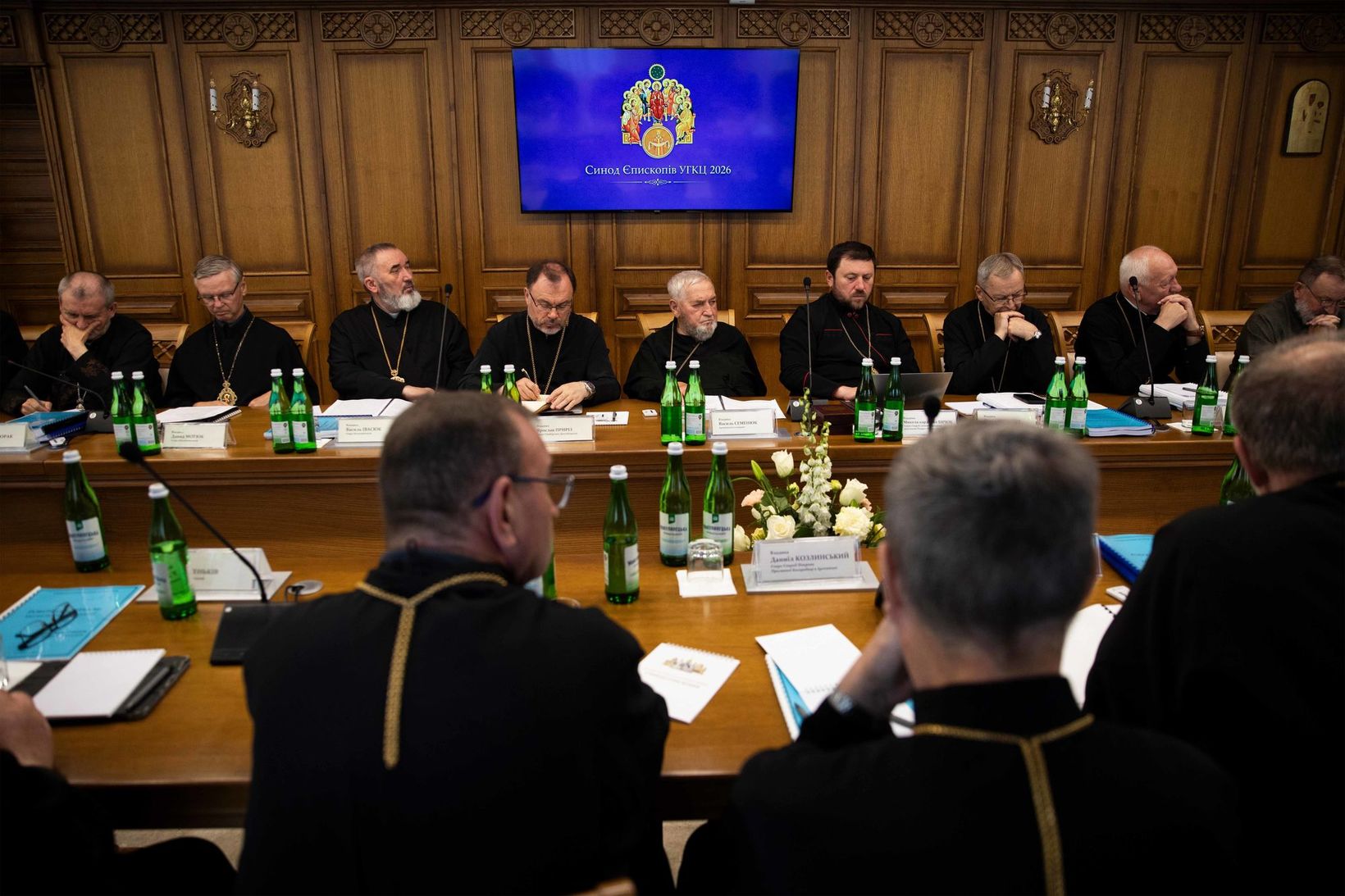
Each day begins with communal prayer and the Divine Liturgy. This is followed by working sessions, during which the bishops listen to presentations, work in discussion groups, ask questions, share their experiences of ministry in different countries, and together seek answers to today’s challenges.
Based on these discussions, specific proposals are formed and put to a vote.
Thus, the Synod is not only a place for decision-making but also a school of communal discernment of God’s will for the entire Church under the guidance of the Holy Spirit.
4. Who participates in the Synod?
Only bishops are full members of the Synod with the right to vote.
However, depending on the topic, individual sessions also include theologians, experts in canon law, sociologists, and specialists in various areas of church life, who help to explore specific questions in greater depth.
It should be emphasized, however, that the final decision always belongs to the members of the Synod.
5. What decisions do the bishops adopt?
The Synod does not engage solely in theoretical discussions.
Its decisions address specific aspects of the Church’s life: pastoral care, liturgical life, catechesis, the formation of the clergy, the activities of Church structures, canon law, social ministry, evangelization, and many other areas.
After the Synod concludes, these decisions, in the form of resolutions, are gradually implemented in the eparchies and parishes.
That is why every Synod has lasting impact that are felt by priests, consecrated persons, and the laity alike.
6. Why has the topic of vocations become the main theme this year?
Each Synod has its own main theme, which addresses the most pressing challenges of the times.
In accordance with the decisions of the previous Synod, in 2026 the bishops will examine the theme “The Pastoral Care of Vocations to the Priesthood and Religious Life.”
It should be noted from the outset that this is not merely about the number of seminarians or candidates for religious life.
The Church seeks, above all, to understand how to help young people hear God’s voice, discern their vocation, receive proper spiritual guidance, and not be afraid to say “yes” to God.
This topic is particularly relevant in the context of Russia’s war against Ukraine, when a large number of young people are experiencing uncertainty, loss, despair, and profound life crises.
Why this theme specifically now?
In recent years, Ukraine has been enduring a cruel and devastating war, mass migration, a demographic crisis, and a generational shift. All of this is affecting the life of the Church as well.
That is precisely why this year’s Synod will seek answers not only to the question, “How can we increase the number of vocations?” but above all, how to help young people hear God’s voice and open themselves to His plan.7. Why does the topic of vocations concern each of us?
A vocation is not born in a seminary.
Most often, it originates in the family, is strengthened in the parish, takes shape in a youth community, and grows alongside people who, through their own lives, bear witness to the beauty of serving God.
Therefore, fostering vocations is not the responsibility of bishops or priests alone.
Every Christian family, every catechist, every youth leader, and every parish community can become the environment from which the Lord will bring forth new priests and consecrated persons.
8. Why was Zarvanytsia chosen as the venue for the Synod?
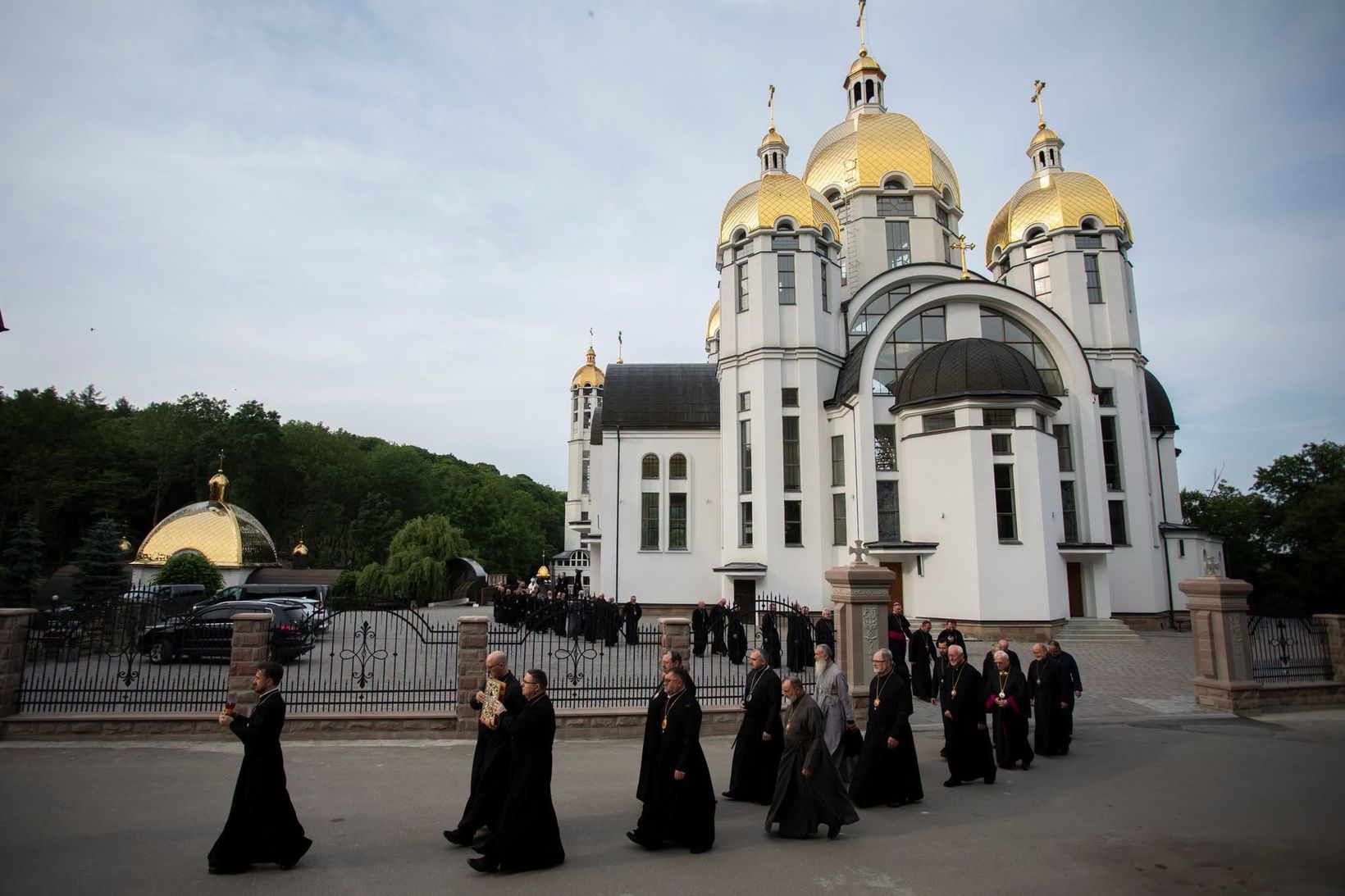
Zarvanytsia has long been the spiritual heart of the Ukrainian Greek Catholic Church.
Every year, tens of thousands of pilgrims come here to entrust their prayers to God through the intercession of the Blessed Virgin Mary.
Holding the Synod in this holy place serves as a reminder that any ecclesiastical decision must arise first and foremost from prayer and from heeding God’s voice.
It is no coincidence that Synods of Bishops of the UGCC have been held here on numerous occasions.
9. How can every believer contribute to the Synod?
First and foremost—through prayer.
As the Mystical Body of Christ, the Church is guided by the Holy Spirit. This means that all decisions must result from discerning God’s will in the light of the Holy Spirit. That is precisely why the bishops traditionally ask all the faithful to pray for the work of the Synod.
It is equally essential to follow the proceedings of the Synod, read the adopted documents, learn about the conclusions, and put them into practice within one’s parish communities.
Indeed, the Synod does not truly end on the day the sessions close and the resolutions are published—it only begins to bear fruit when its decisions become part of the life of the Church.
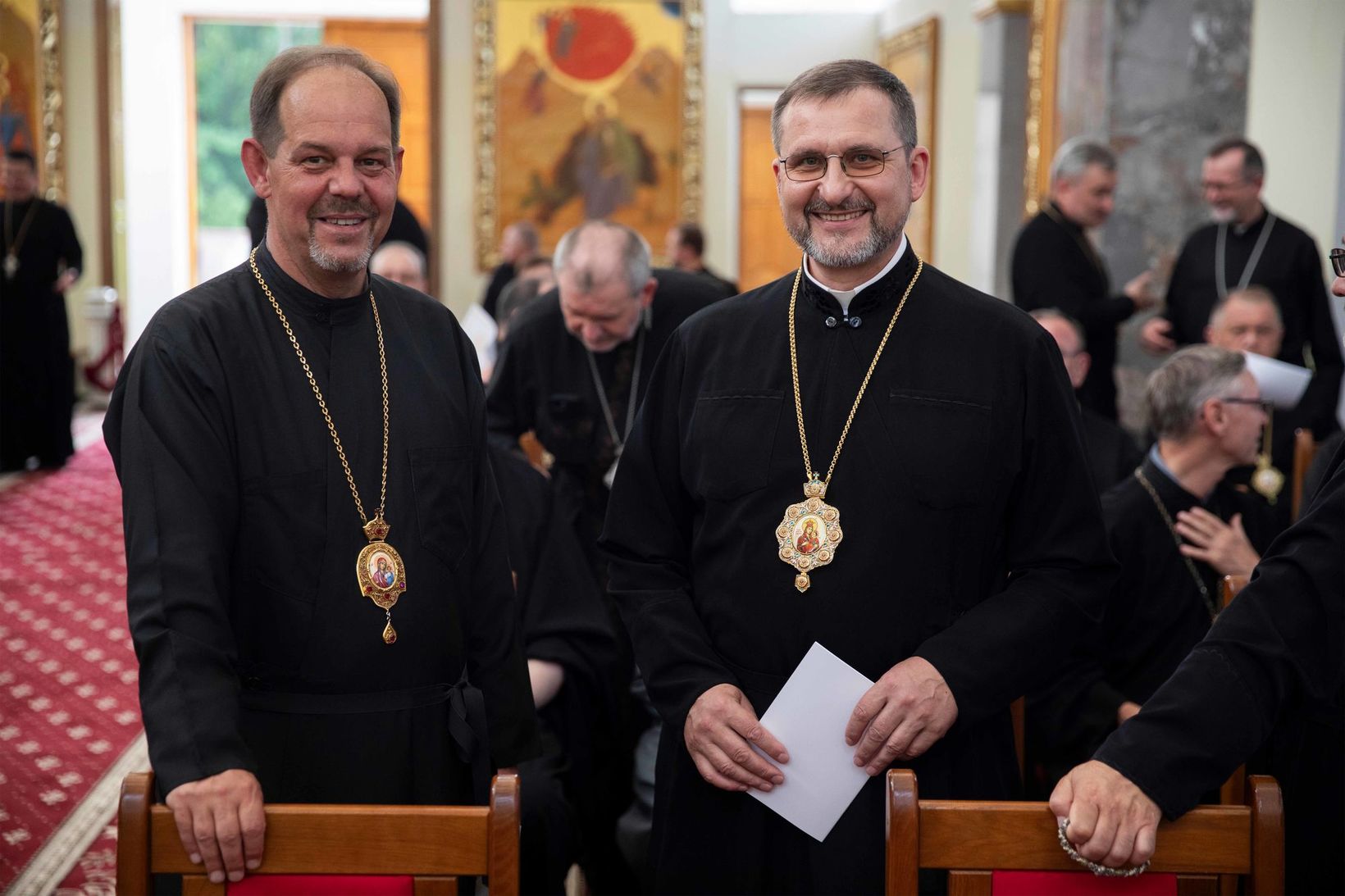
Bishops Bohdan Danylo and Mykhailo Bubniy are responsible for preparing the main theme of the 2026 Synod of Bishops of the Ukrainian Greek Catholic Church. Photo: The UGCC Department for Information
10. What can be anticipated from the 2026 Synod?
Above all, an honest assessment of the current state of vocations in the Ukrainian Greek Catholic Church.
Over the course of 10 days, the bishops will analyze the experiences of various eparchies, seek new approaches to accompanying young people, share best practices, and develop a common vision for fostering new vocations to the priesthood and religious life.
At the same time, the Synod will also address other important issues concerning the life of the UGCC. In particular, one of the historic events of this year’s sessions is expected to be the final, third reading of the draft Code of Canons of the Ukrainian Greek Catholic Church—a document the Church has been working on for many years.
Thus, the 2026 Synod will be not only a time for reflecting on the future and vocations to the priesthood and monastic life, but also an important stage in the further development of the entire Ukrainian Greek Catholic Church.
How to contribute?
The most important thing the bishops are asking for is prayer.
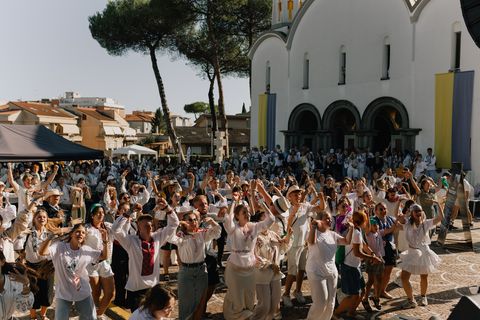
“I earnestly ask all of you: pray that this Synod, which we are convening once again during wartime, may be a special grace of the Holy Spirit for our Church, so that the decisions we make may breathe new life into our Church in Ukraine and build it up in the communities,” — His Beatitude Sviatoslav urged during the Divine Liturgy marking the 25th anniversary of Pope John Paul II’s historic visit to Ukraine, held on June 28, 2026, in the square in front of the Church of the Nativity of the Blessed Virgin Mary in Sykhiv.
It is precisely the prayer of the entire Church that serves as the spiritual foundation from which the Synod’s decisions arise.
Therefore, from July 1–10, we invite all the faithful to pray for His Beatitude Sviatoslav, Father and Head of the Ukrainian Greek Catholic Church, the bishops of the Ukrainian Greek Catholic Church, and the gift of the Holy Spirit, so that the decisions adopted may help our Church fulfill its mission even more thoroughly in Ukraine and throughout the world.
The UGCC Department for Information
based on materials provided by the Press Office of the Secretariat of the Synod of Bishops of the Ukrainian Greek Catholic Church