In Memory of the First Exarch of Ukrainians in France: A Conference Dedicated to Bishop Volodymyr Malanchuk Held in Paris
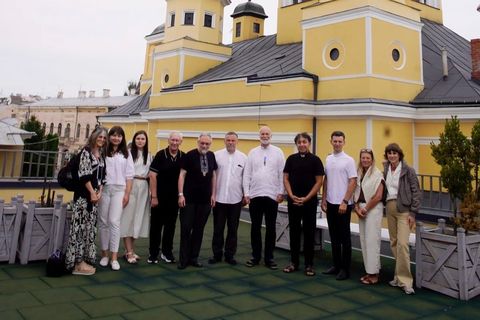
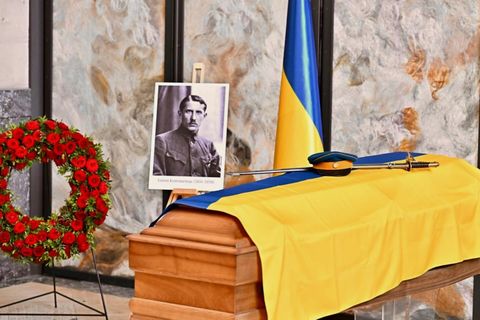
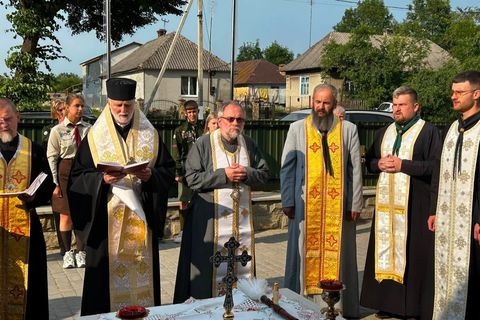
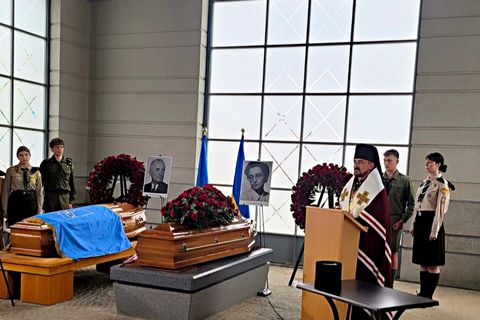
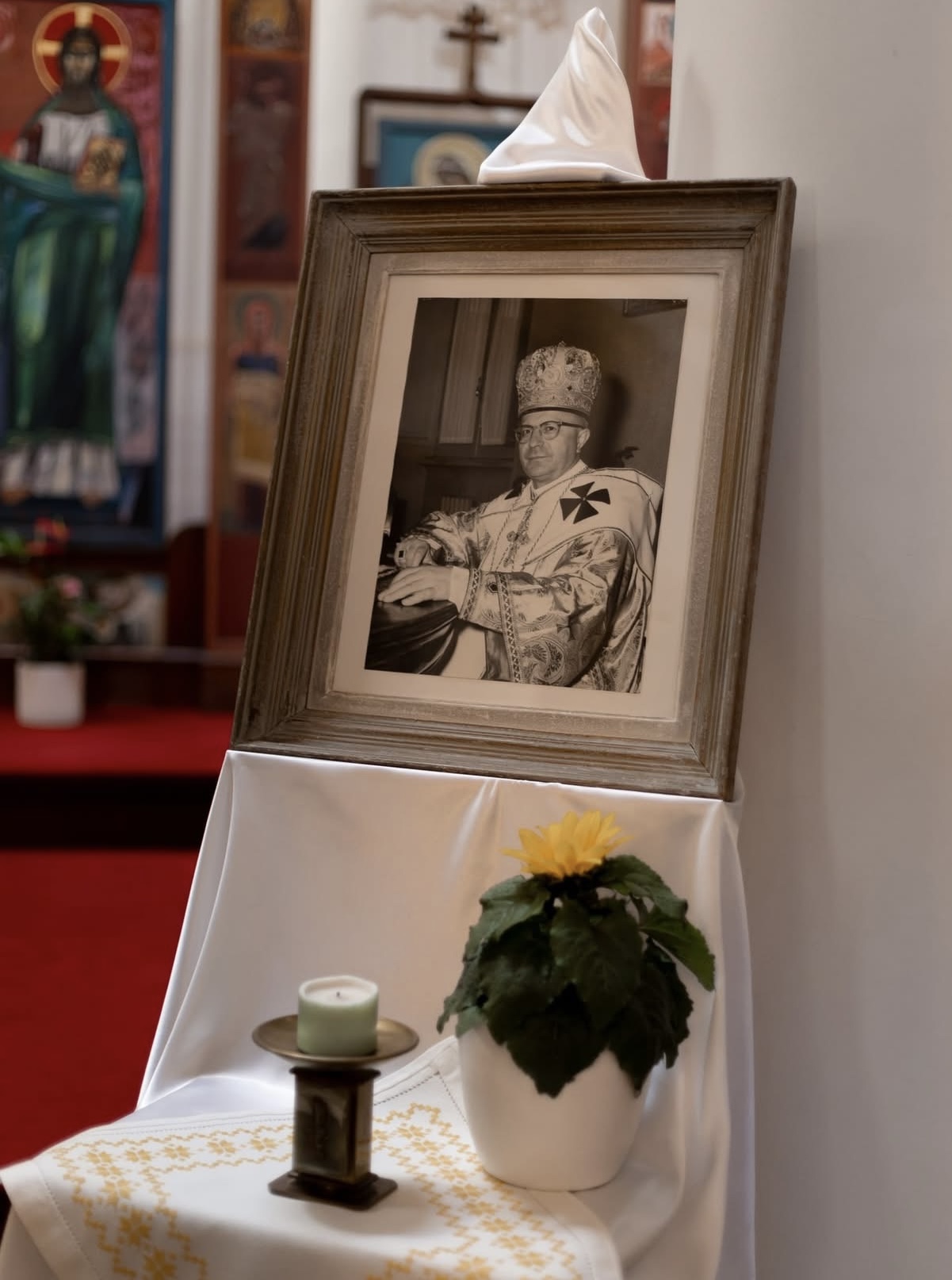
A conference dedicated to Bishop Volodymyr Malanchuk, the first exarch of Ukrainians in France, was held at St. Volodymyr’s Cathedral in Paris. The event was one of the highlights of the anniversary year dedicated to him, which began in September 2025.
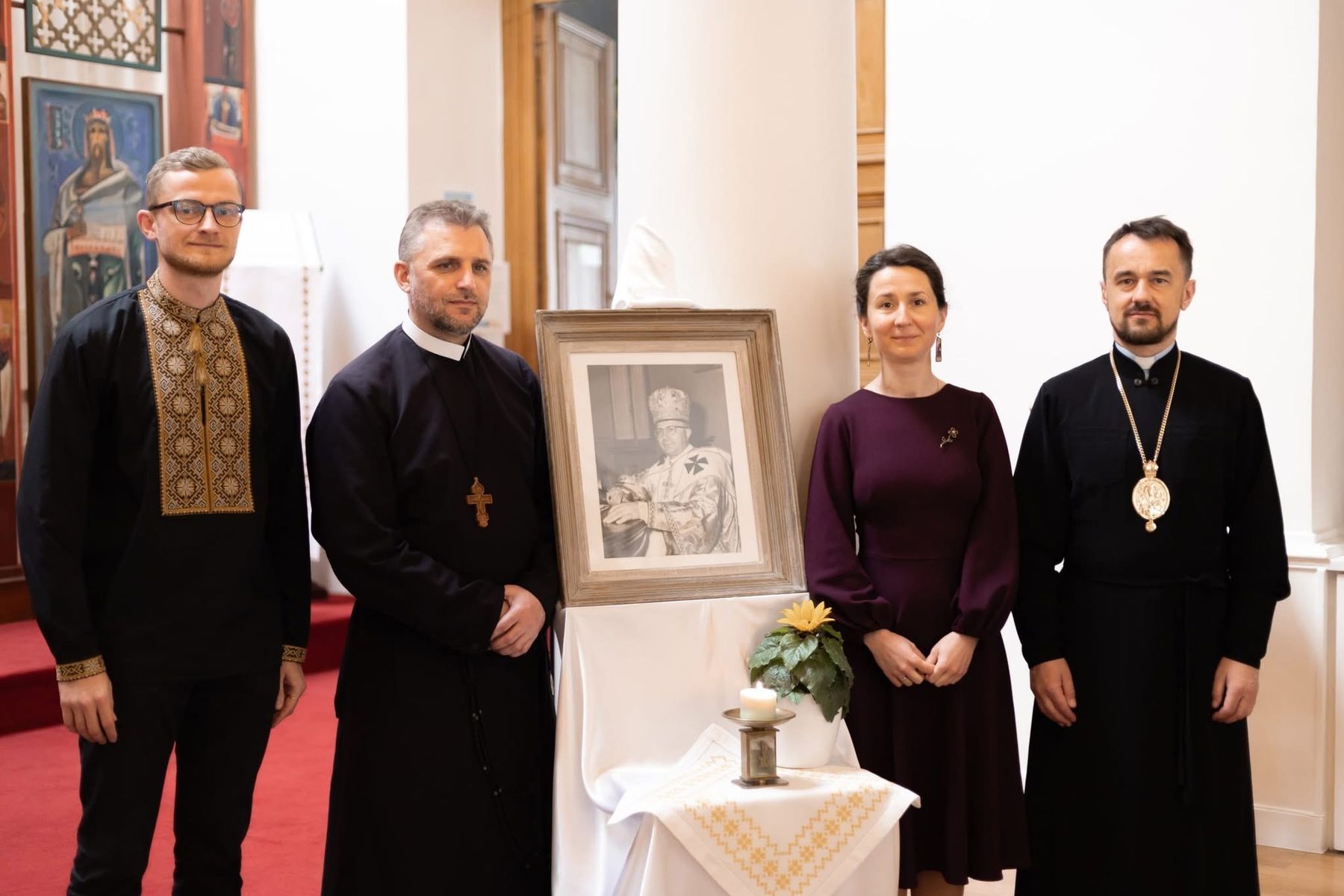
The conference took place on the anniversary of Bishop Volodymyr Malanchuk’s ordination to the priesthood. This year marks the 95th anniversary of this event. At the same time, throughout the year, the Church is celebrating several related anniversaries: the 100th anniversary of his first vows in the Congregation of the Most Holy Redeemer (Redemptorists), the 65th anniversary of his episcopal consecration and enthronement in Paris.
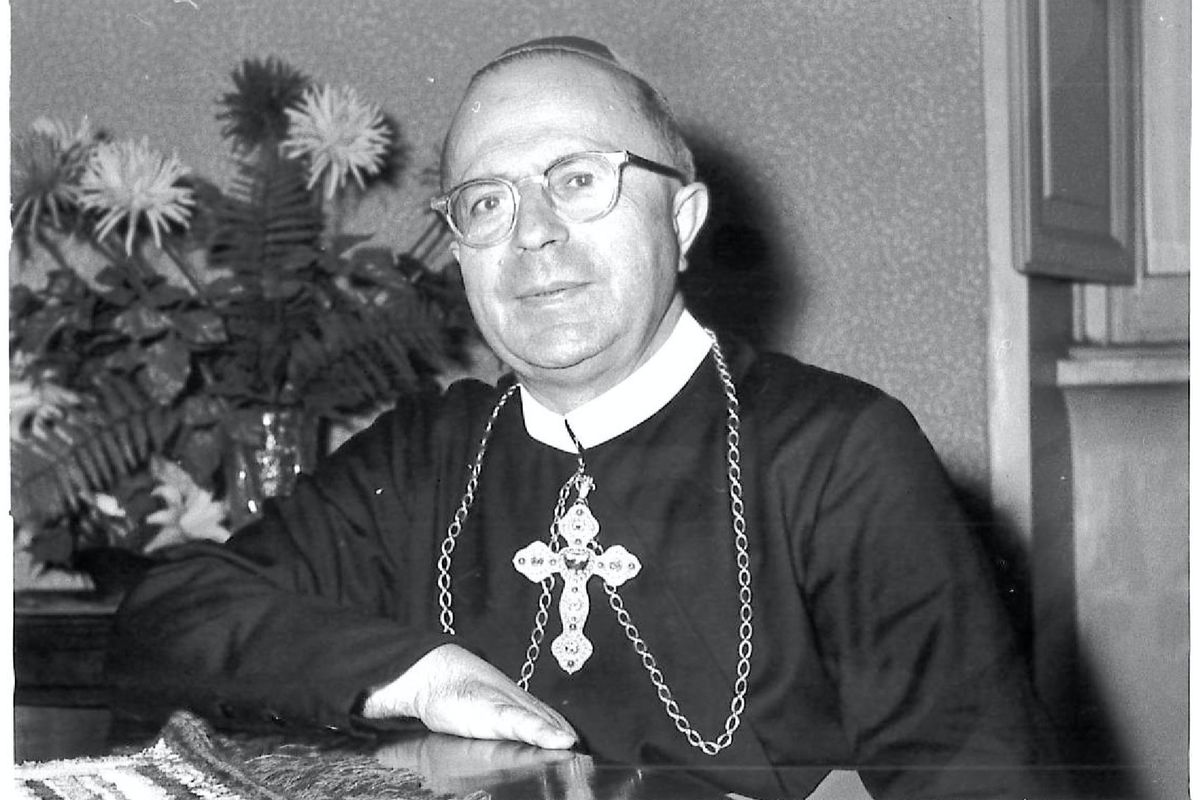
The conference was opened by Bishop Ihor Rantsya, the ruling bishop of the Eparchy of Paris. He noted that preparations to honor the first Exarch for Ukrainians in France were not limited to ceremonial events: throughout the year, extensive research on his legacy was conducted in the archives of Paris and Rome. Based on these materials, the eparchy prepared publications to introduce the general public to the bishop’s life and legacy. In addition, the eparchy’s cathedral hosts a permanent exhibition dedicated to the bishop’s life and ministry.
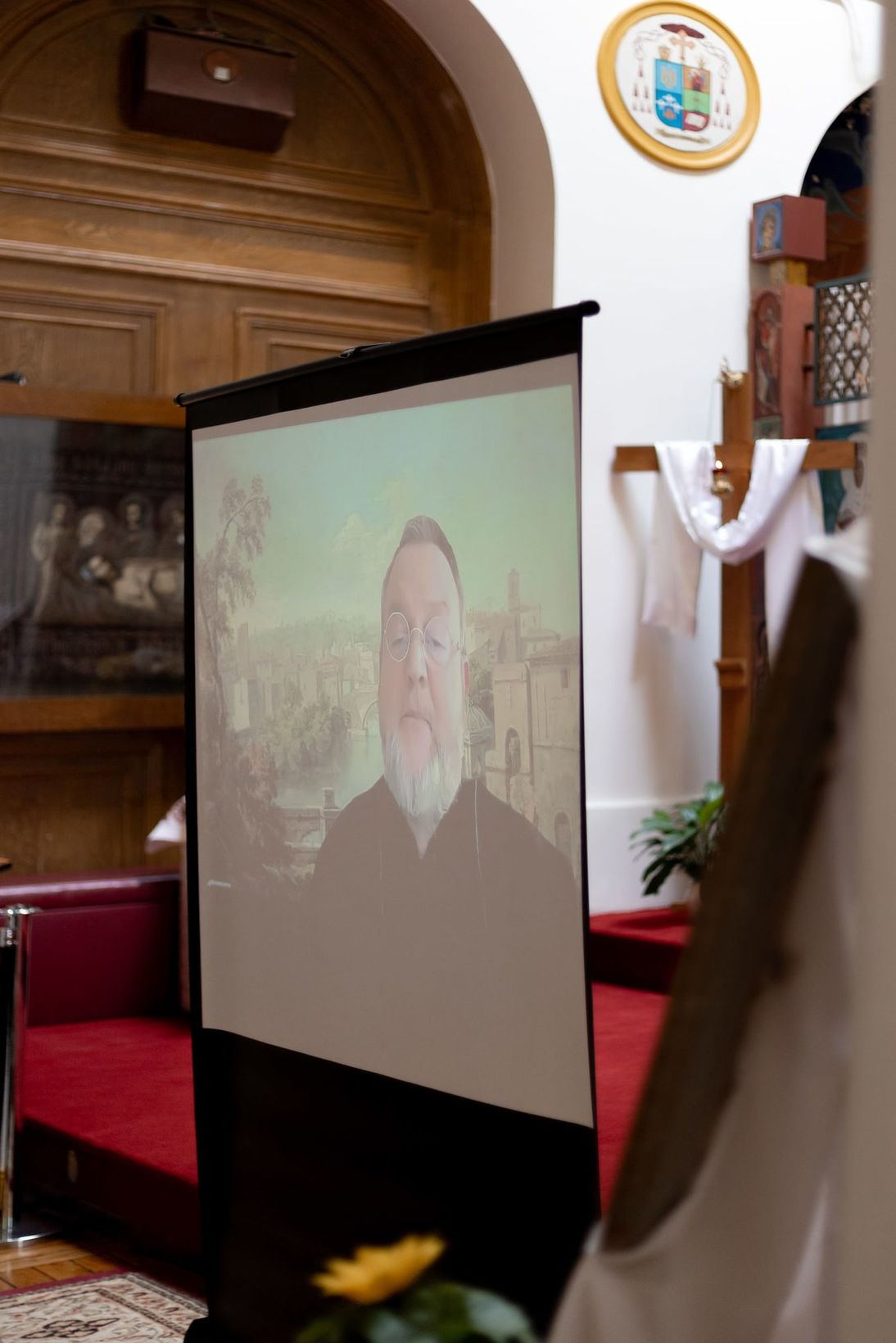
The first presentation at the conference was given by Bishop Hlib Lonchyna, Bishop Emeritus of the Ukrainian Greek Catholic Church advisor to the president of the Ukrainian Catholic University. He previously served as apostolic administrator for six years. He shared his personal experience of communicating with the bishop, whom he met at the Ukrainian Catholic University in Rome. According to him, the lively interaction with the bishop—meetings, readings, and conversations—was very valuable, shaping young students much more deeply than academic lectures.
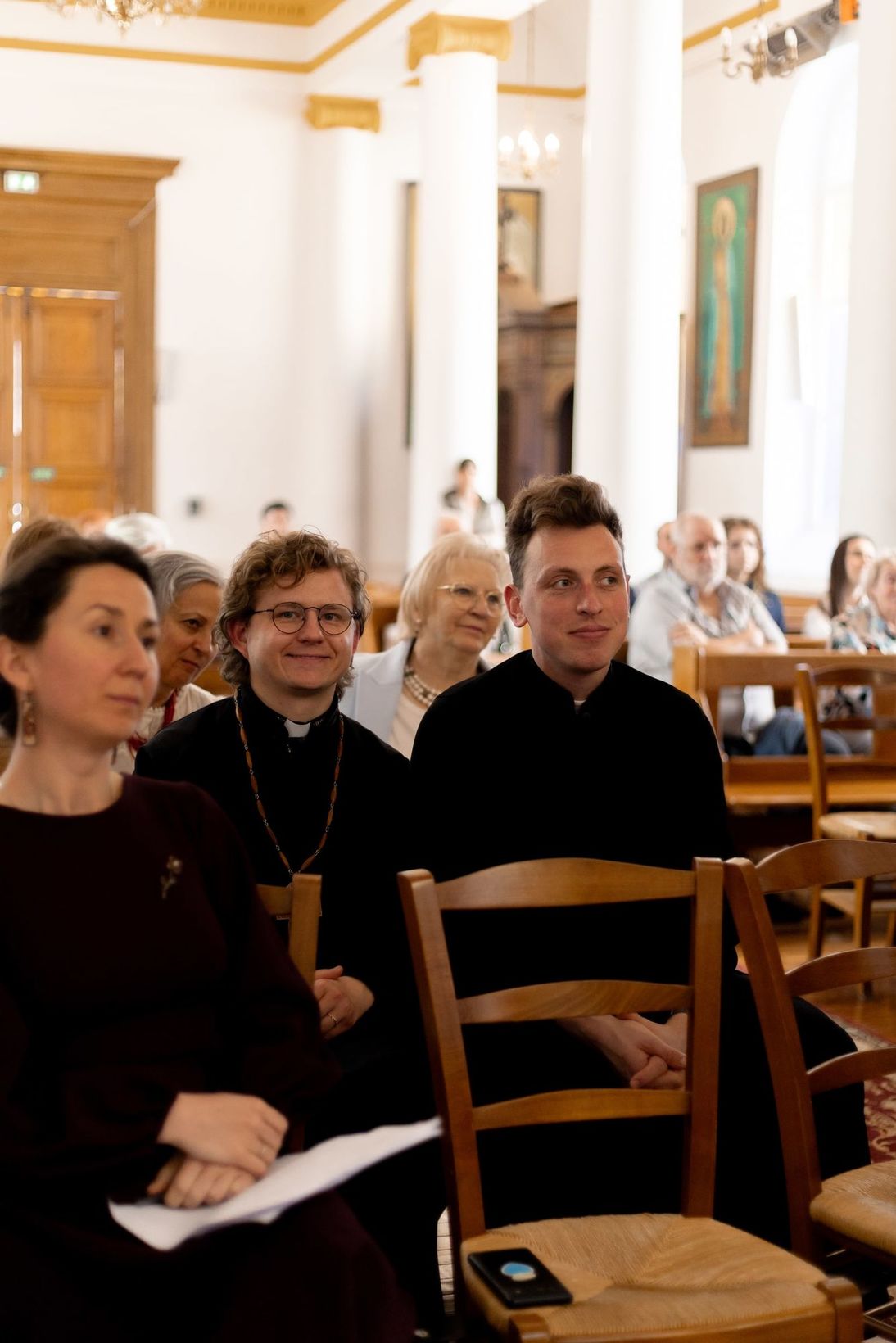
Hieromonk Ruslan Pikh, CSsR, chairman of the Historical Commission of the Lviv Province of the Redemptorists and administrator of St. Michael’s Parish in Antwerp (Belgium), spoke about the bishop’s early life. In his presentation, he described the bishop’s difficult childhood, early orphanhood, upbringing under the care of nuns, and education among the Studites under the guidance of Blessed Clement Sheptytsky. Despite all the hardships, as Fr. Ruslan Pikh emphasized, the future bishop stood out for his depth, seriousness, and striving for perfection—a fact confirmed by archival records from his novitiate.
Interestingly, after his ordination, his ministry was for a long time associated not with missions or pastoral care, but with teaching. In the 1930s, he taught philosophy at a monastic seminary, and he had the opportunity to minister directly to the faithful only during vacations.
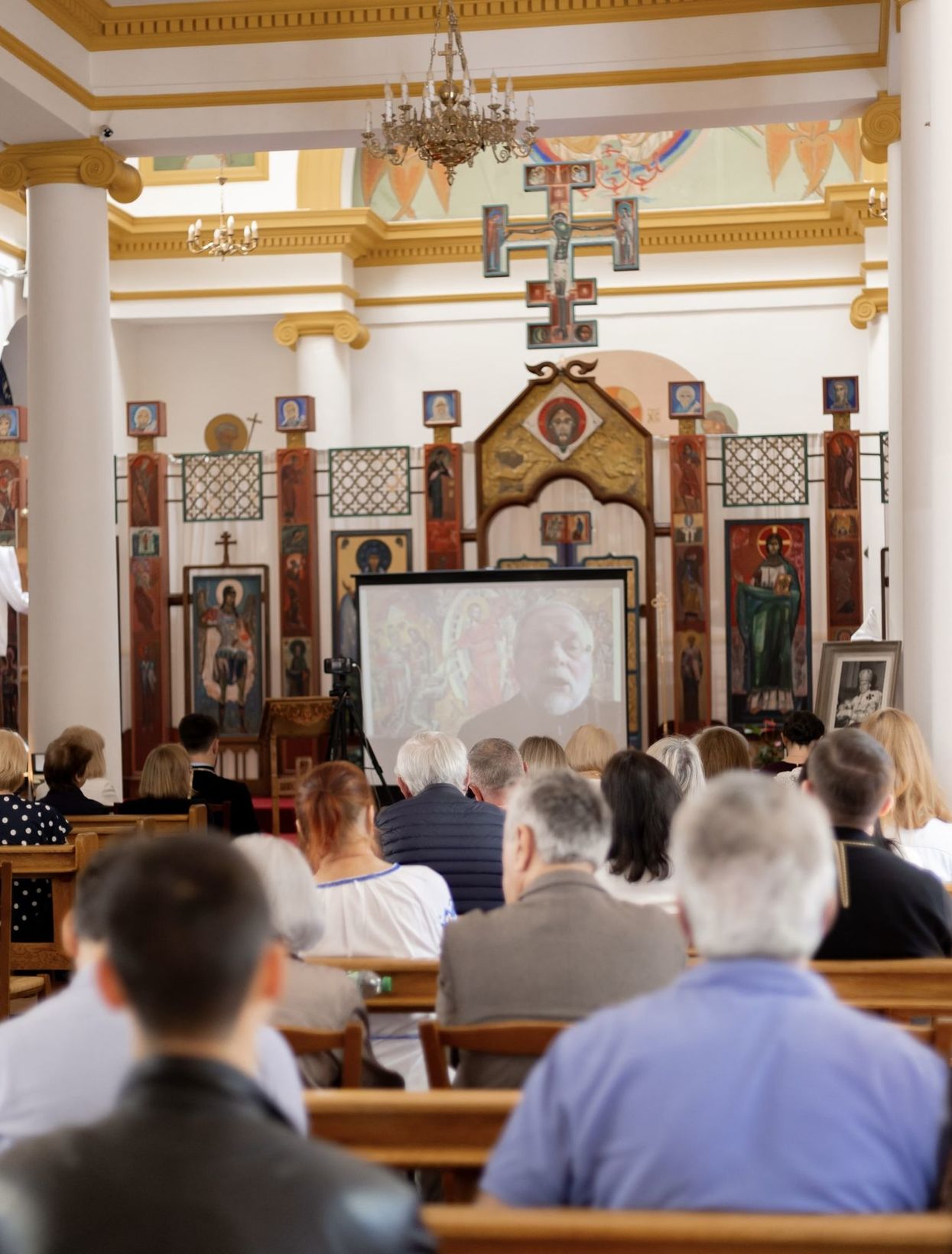
Church historian Rev. Dr. Athanasius McVay spoke about the difficult period of Fr. Volodymyr Malanchuk’s service as Vicar General to Bishop Ivan Buchko in Great Britain in the late 1940s. According to him, it was a time of inner crises, exhaustion, and loneliness, which seriously affected the health of the future bishop. Archival documents attest to high blood pressure, depressive states, and even requests to resign. In one of his letters to Bishop Ivan Buchko, he described his condition as a “spiritual void” and confessed to feeling deeply isolated.
Nevertheless, after nearly a decade of doubts and resistance from certain hierarchs, the recommendation of Metropolitan Maxim Hermaniuk of Winnipeg proved decisive—it was this recommendation that opened the way for the future bishop to serve in France, where he became the first exarch for Ukrainians of the Byzantine Rite.
The story of the formation of the Exarchate was presented by Andrian Harandzha, a doctoral student at the Pontifical Gregorian University. He spoke about the journey from a scattered “church on the move” to a formed institutional structure in post-war Europe. In this process, the appointment of Bishop Volodymyr Malanchuk, according to the speaker, became a sign of God’s providence for Ukrainians in the diaspora. In conclusion, he added that, despite all the difficulties, God has guided and continues to guide the Ukrainian people, and the best testimony of His love is everyone present in St. Volodymyr’s Cathedral—the church of the Ukrainian community, where the exarch once served.
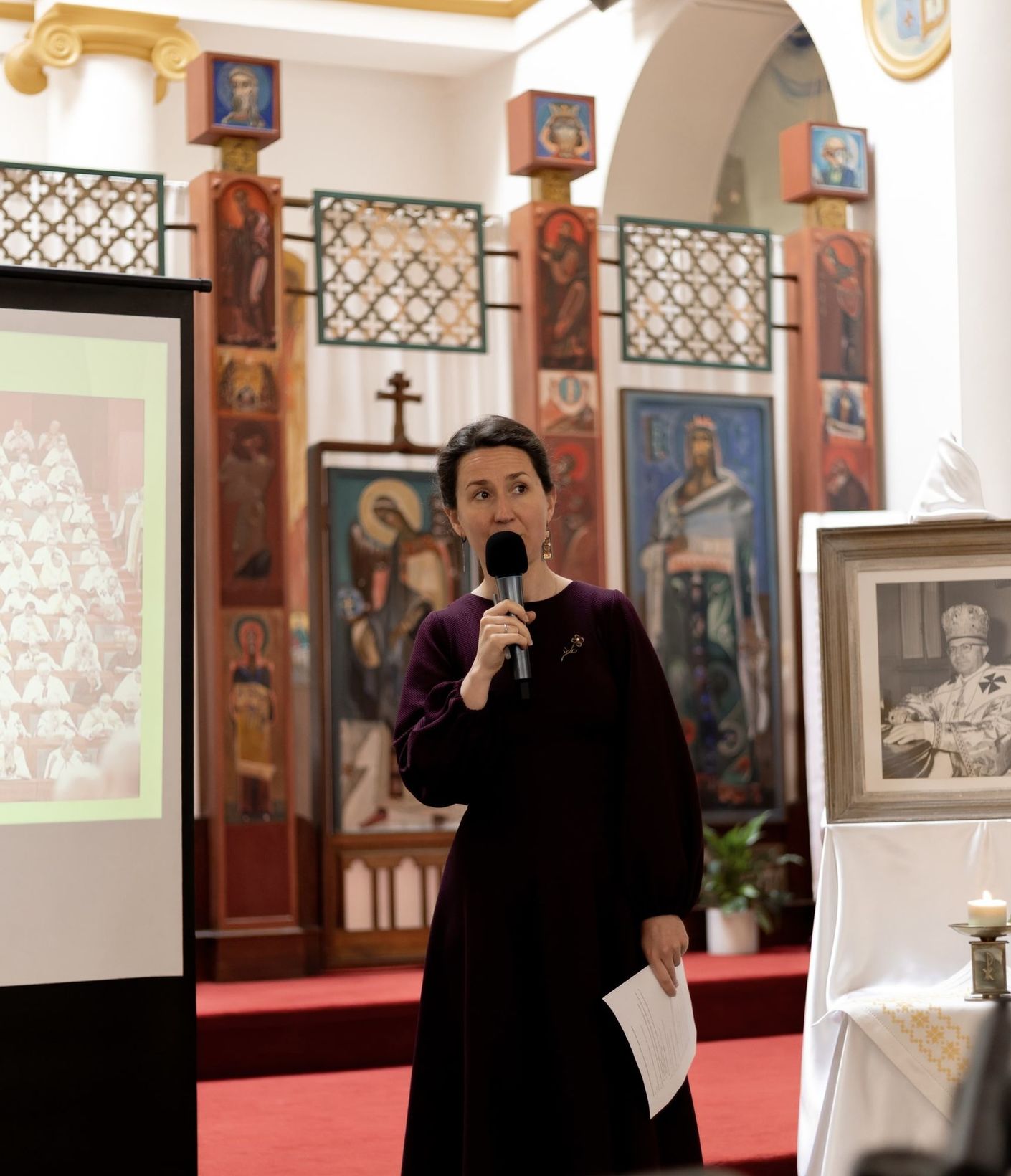
Dr. Maria Ivaniv-Lonchyna, a Doctor of Theology and archivist, spoke about a less noticeable yet important aspect of Bishop Volodymyr Malanchuk’s ministry: his participation in the Second Vatican Council. Despite his young age and active ministry in Paris, the exarch spoke at the Council and submitted 12 written comments on the six main conciliar documents. “His contribution is quiet yet significant—one that did not seek attention but shaped the future of the Church,” the researcher emphasized.
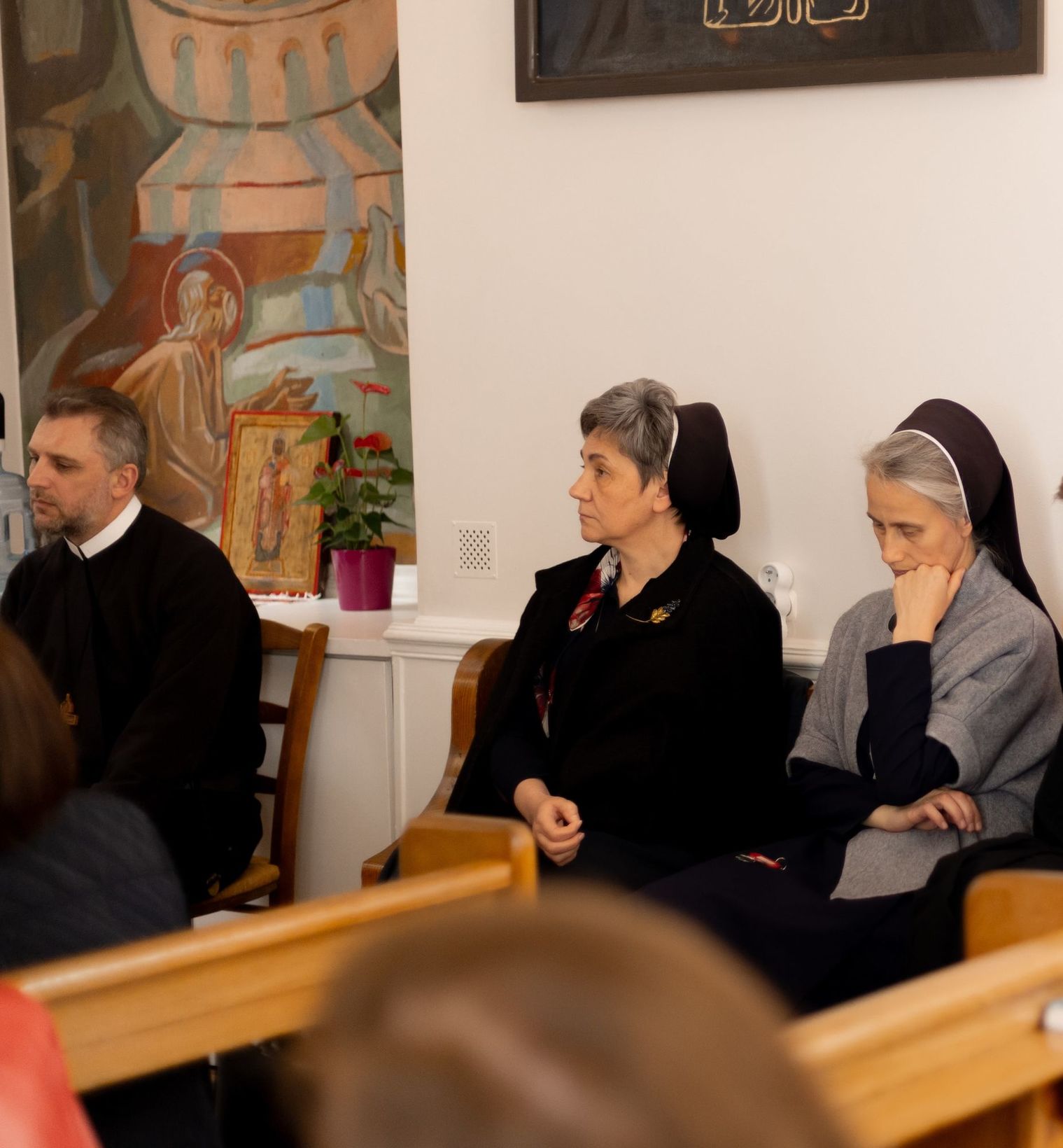
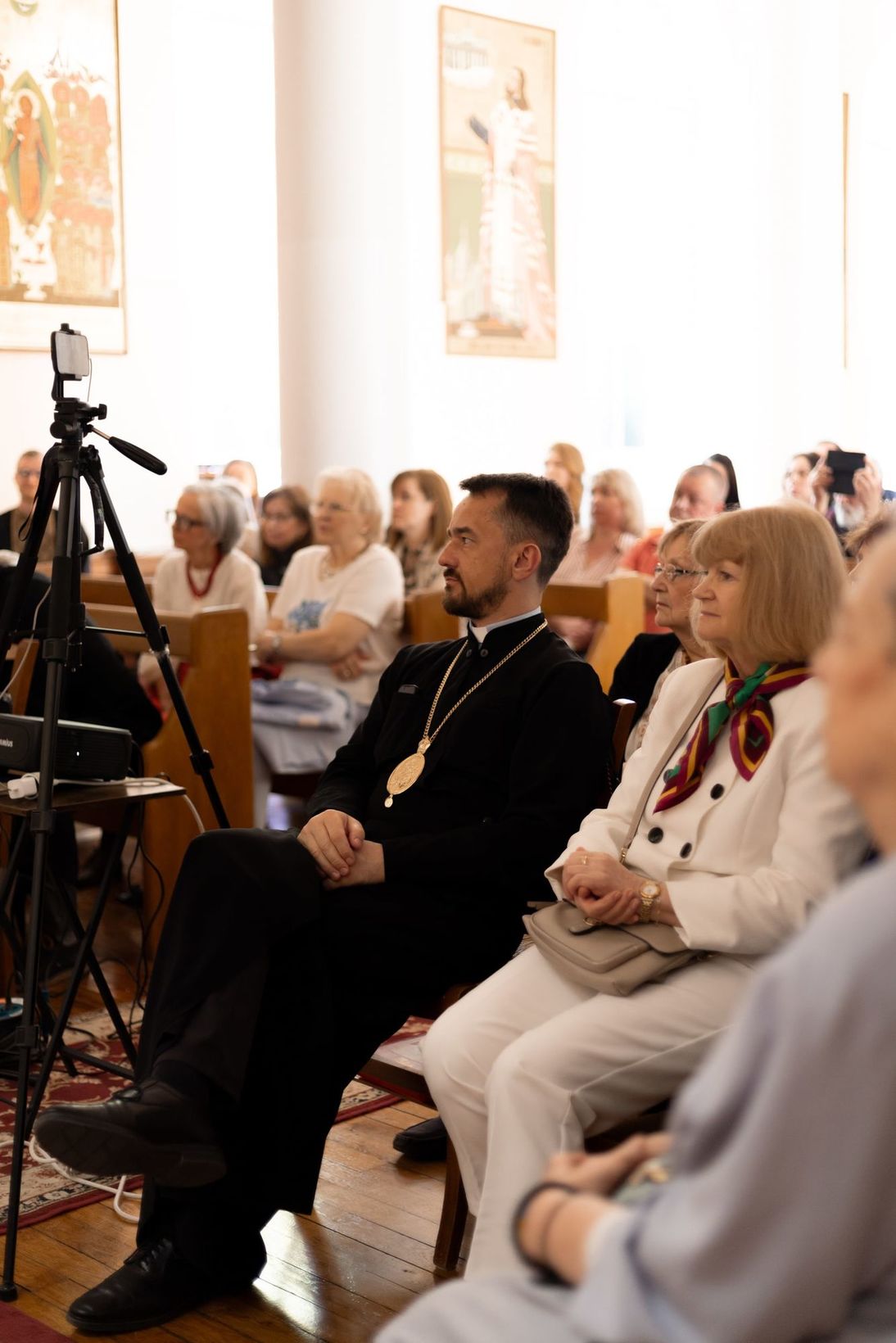
At the conclusion of the conference, parishioners shared their memories of Bishop Volodymyr Malanchuk: some had known him personally, while others shared stories from his ministry that have been preserved in the community’s memory.
Based on the conference materials, a separate publication will be prepared, which will compile the researchers’ findings and make them more accessible to a wider readership.
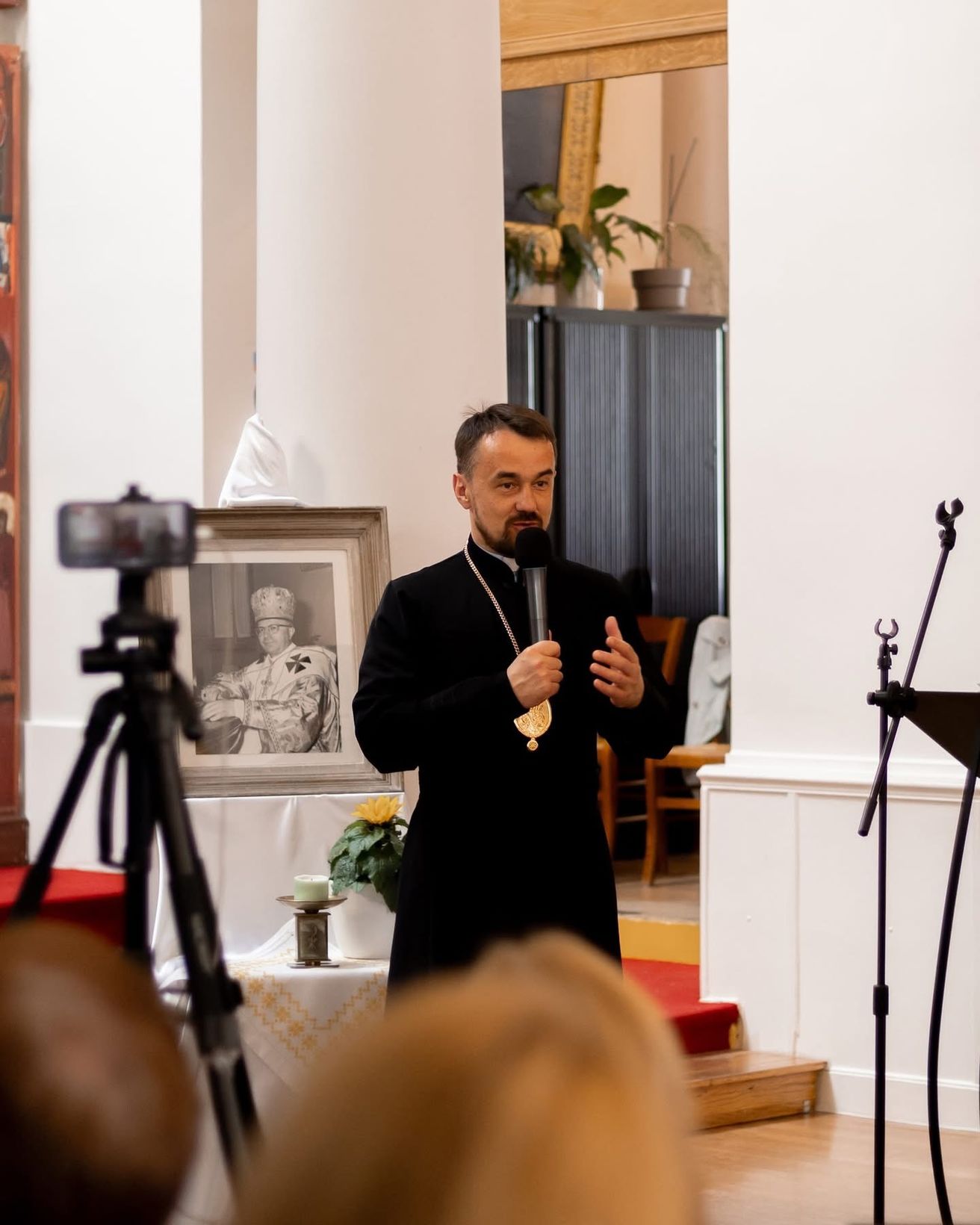
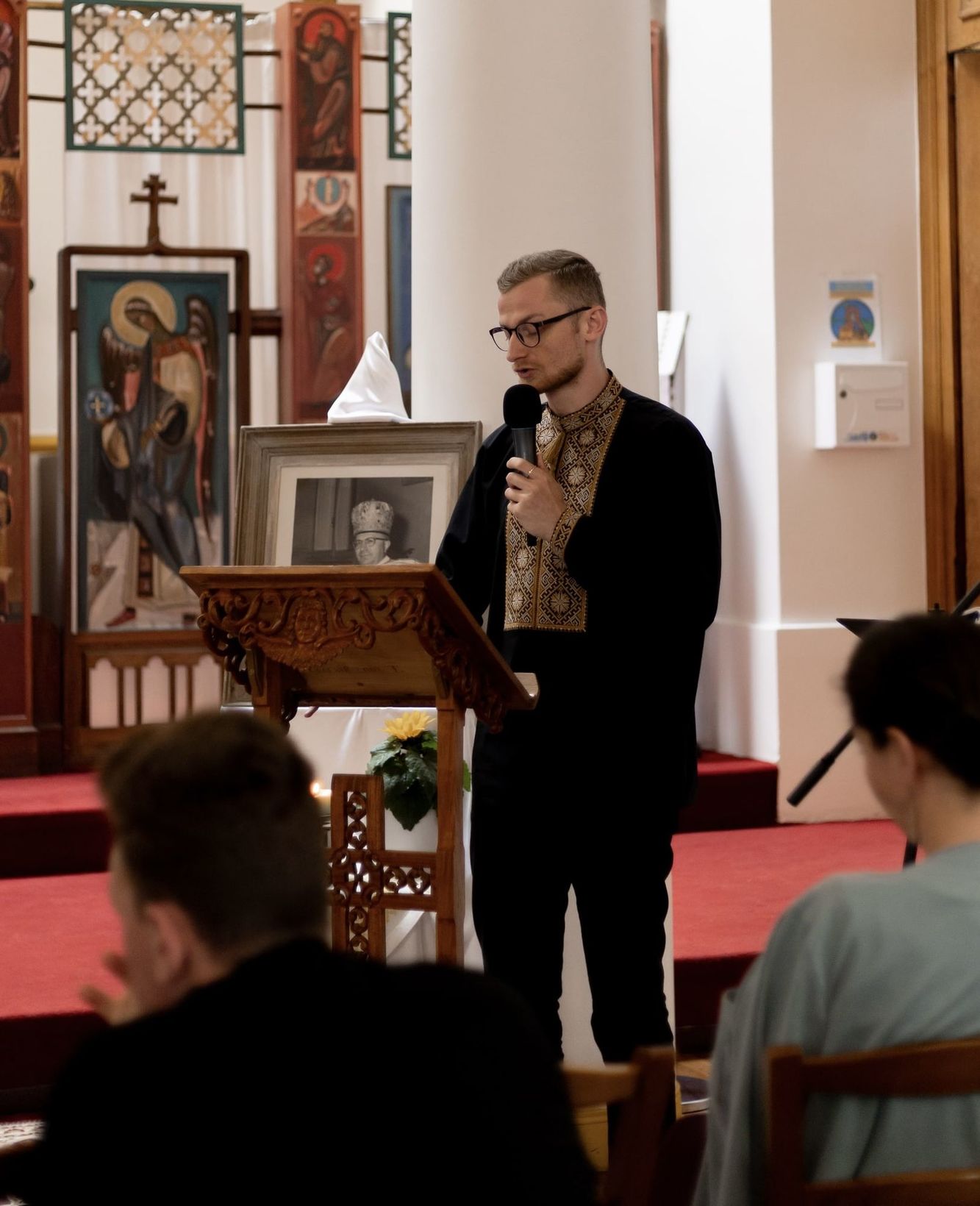
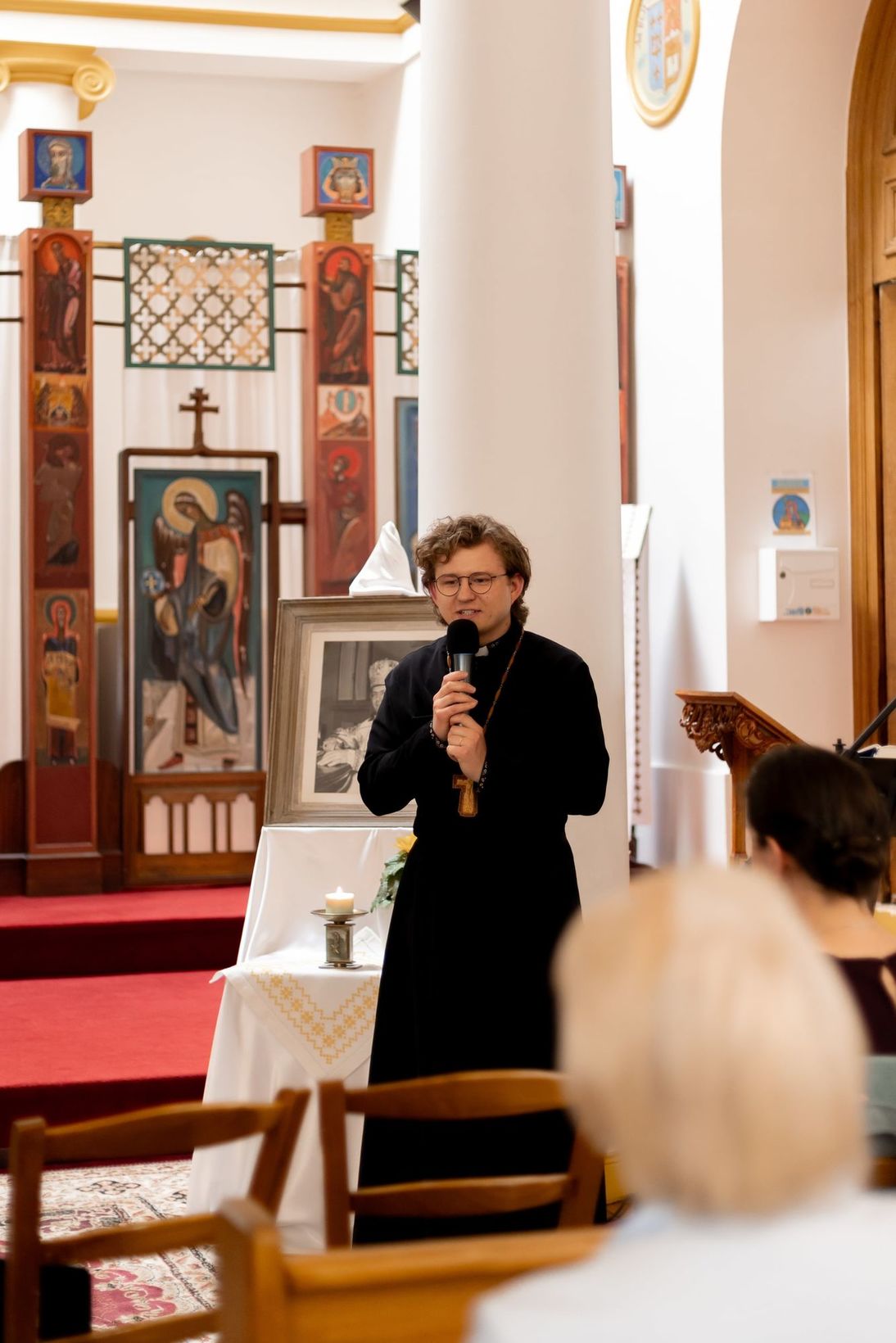
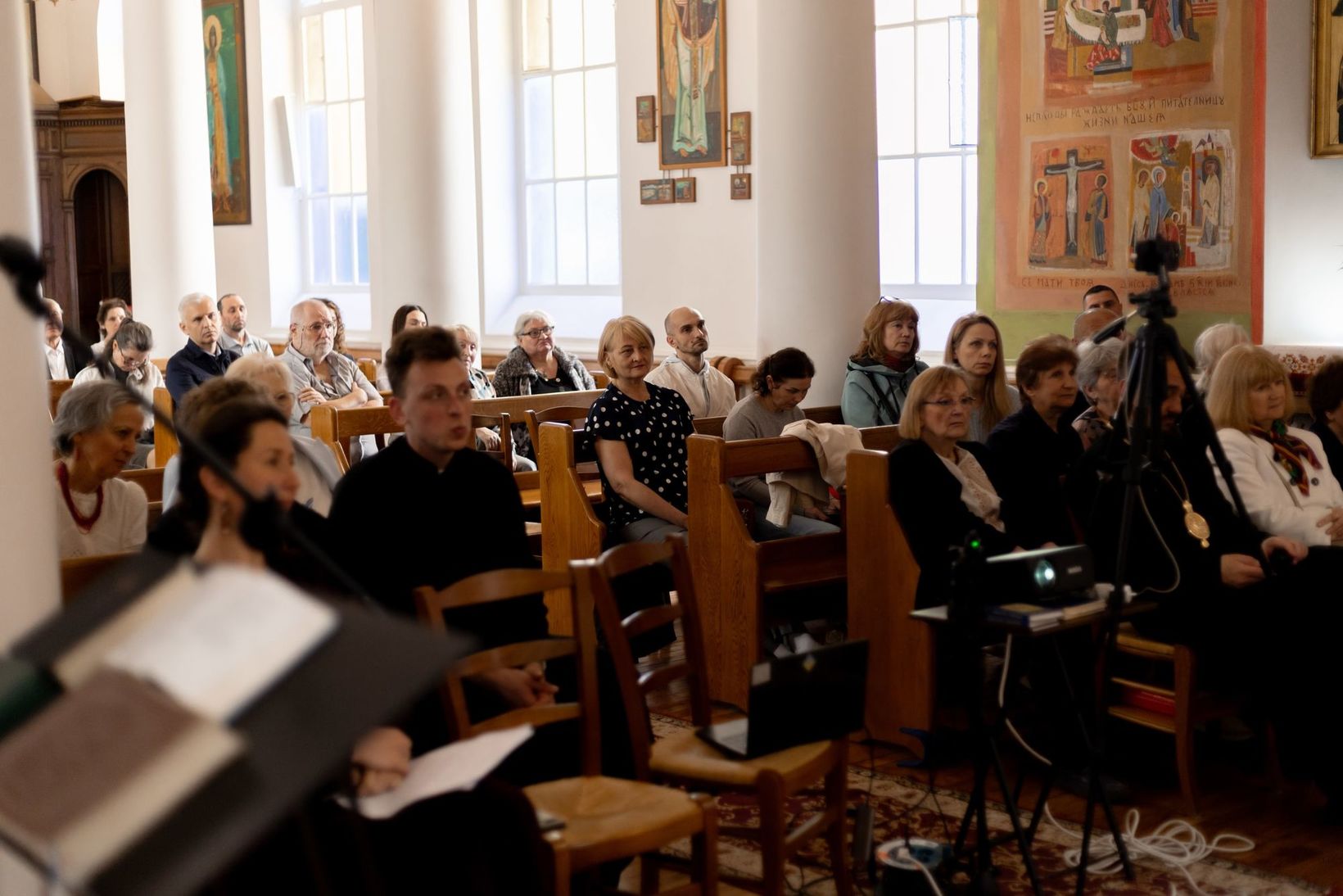
In closing the meeting, Bishop Ihor Rantsya thanked Fr. Ruslan Pikh and Fr. Yuriy Zalutsky for organizing the event. He also emphasized the importance of knowing history and preserving the Church’s heritage, for it is through figures such as Bishop Volodymyr Malanchuk that the Church reveals itself more deeply and becomes closer to people in our time.
The UGCC Department for InformationPhoto courtesy of the Paris Eparchy of Saint Volodymyr the Great