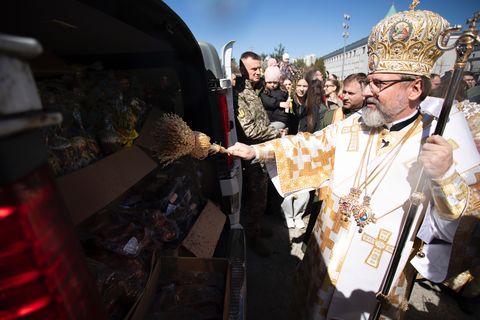
“A Life Without God Is a Gradual, Everyday Death,” Head of the Ukrainian Greek Catholic Church Says on Good Friday
“When we contemplate Christ—wounded, humiliated, martyred, and buried—the truth about human life apart from God is revealed. In reality, life without Him is a gradual, everyday death, a movement in the opposite direction from the one to which the Savior calls us. People may think this is freedom, but every human ideology only enslaves. Only God’s truth gives true freedom. That is why, in the crucified Christ, we see not an end, but a source of hope and life,” the Head of the UGCC emphasized on Good Friday.
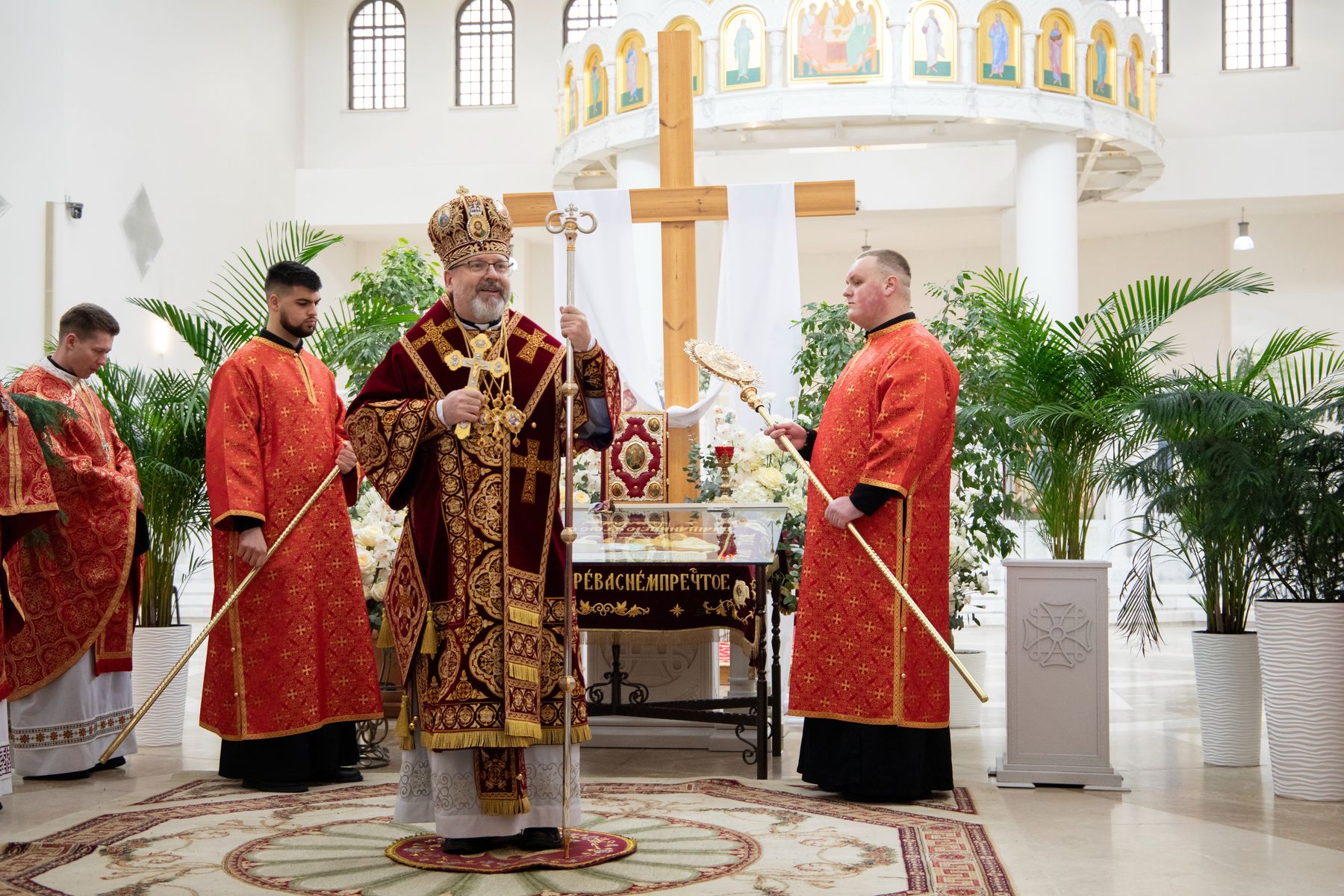
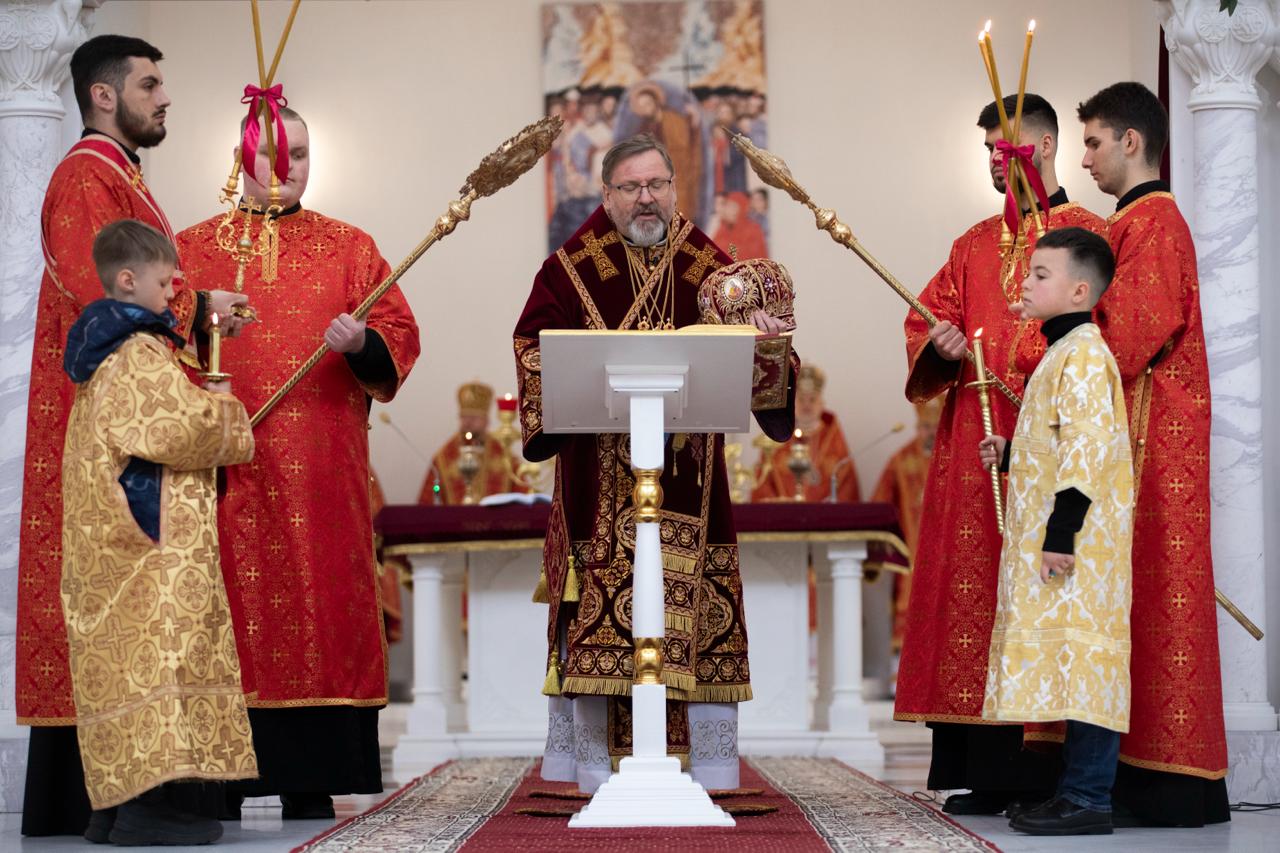
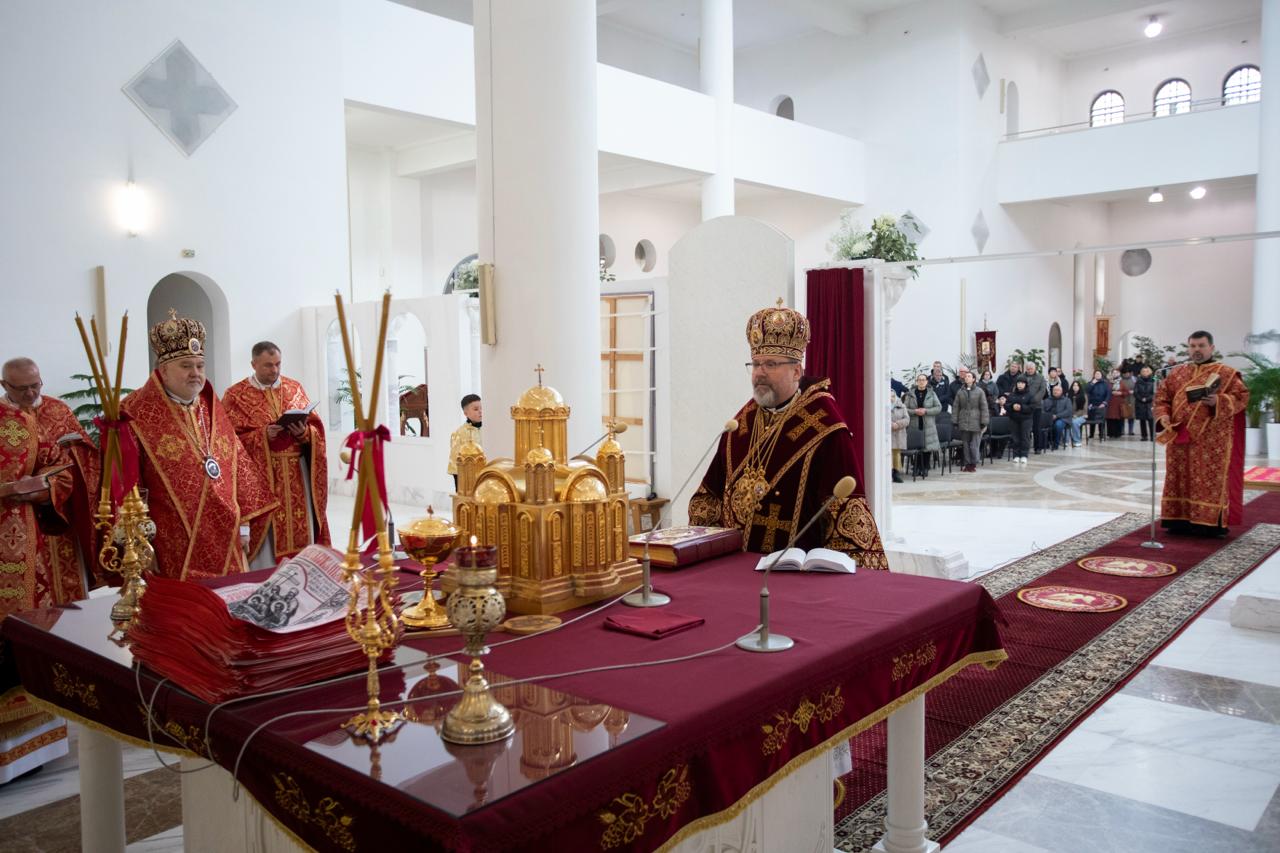
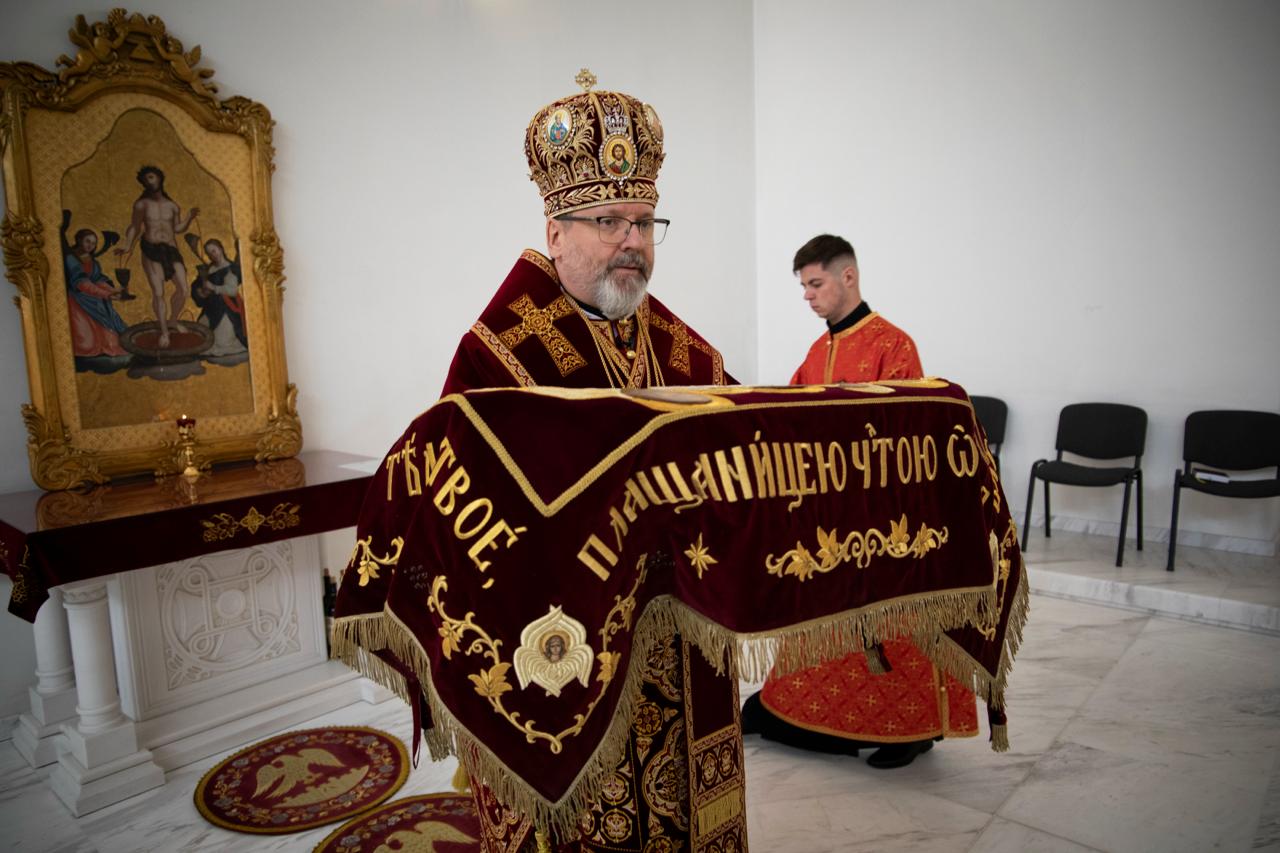
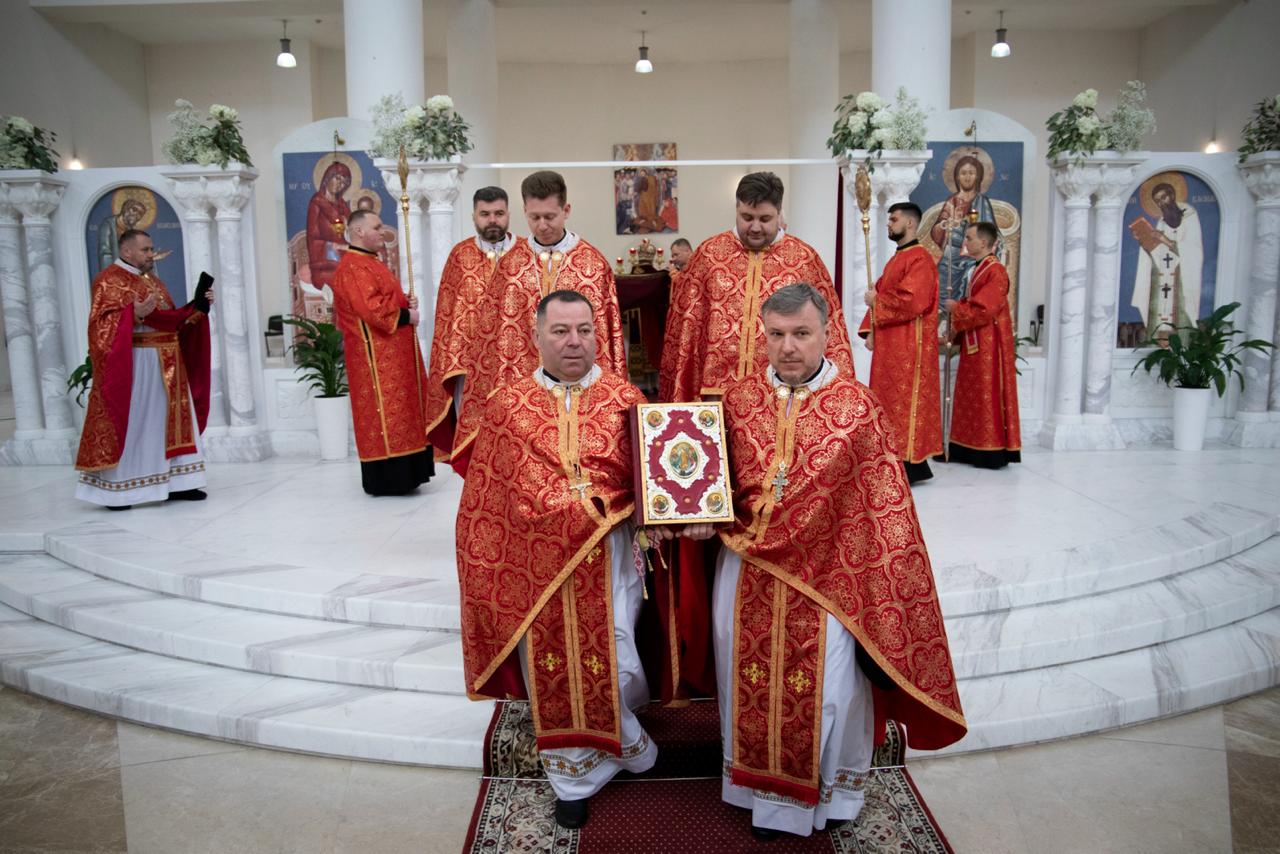
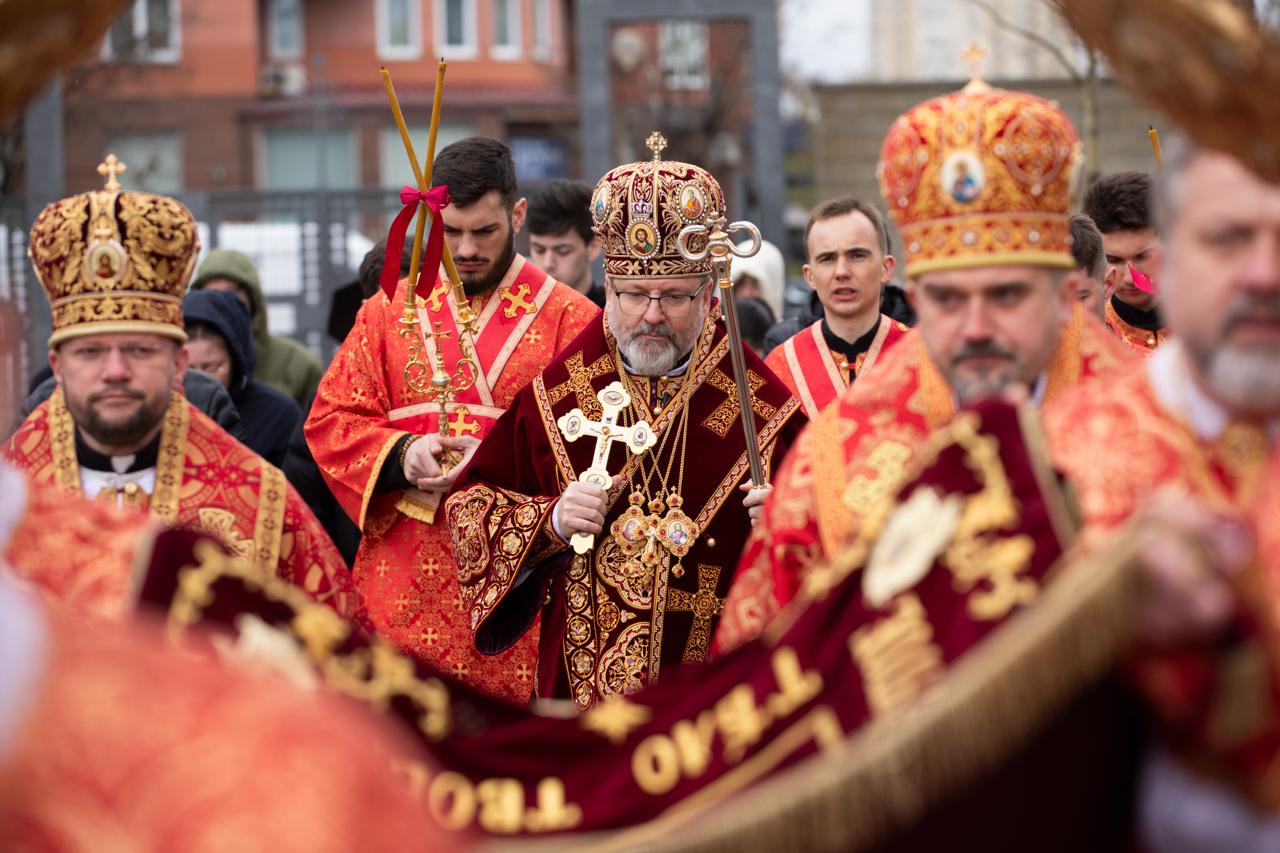
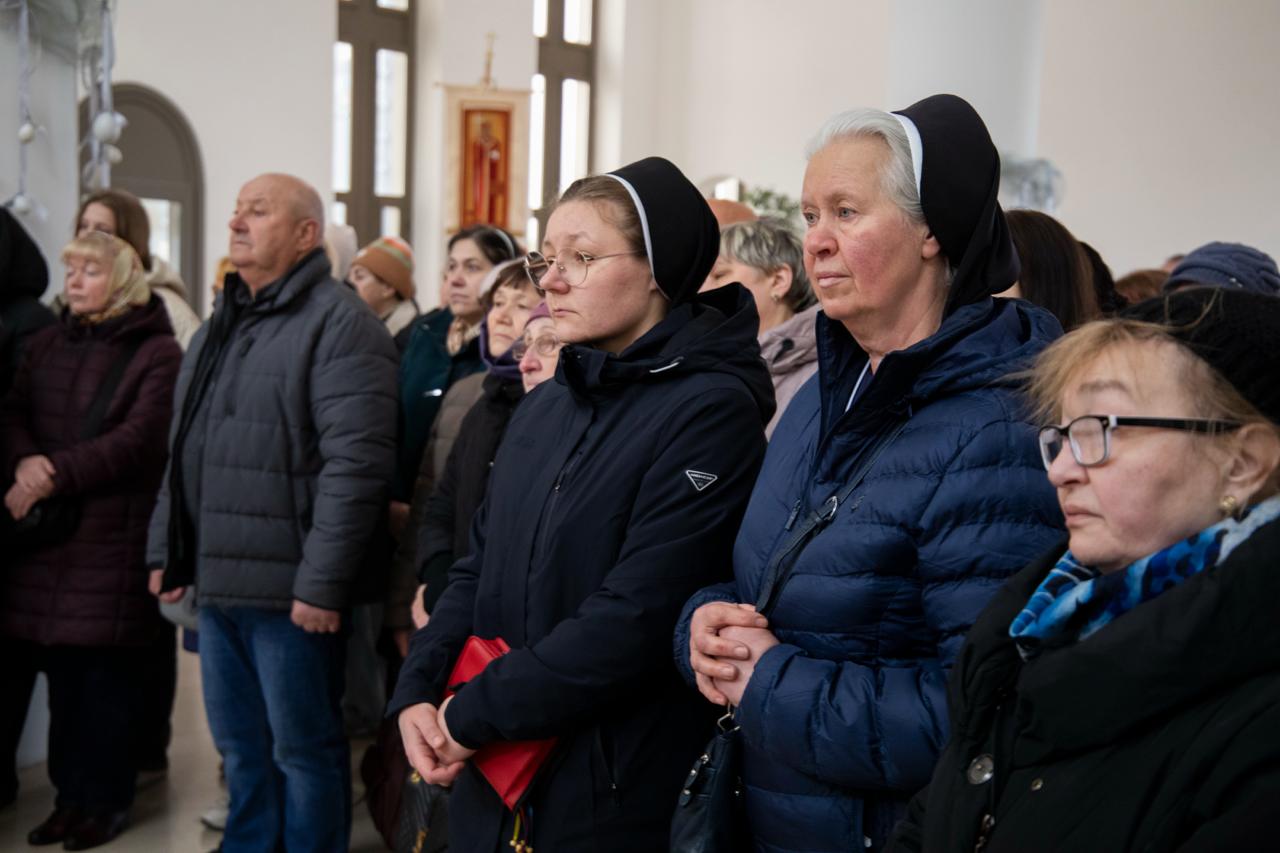
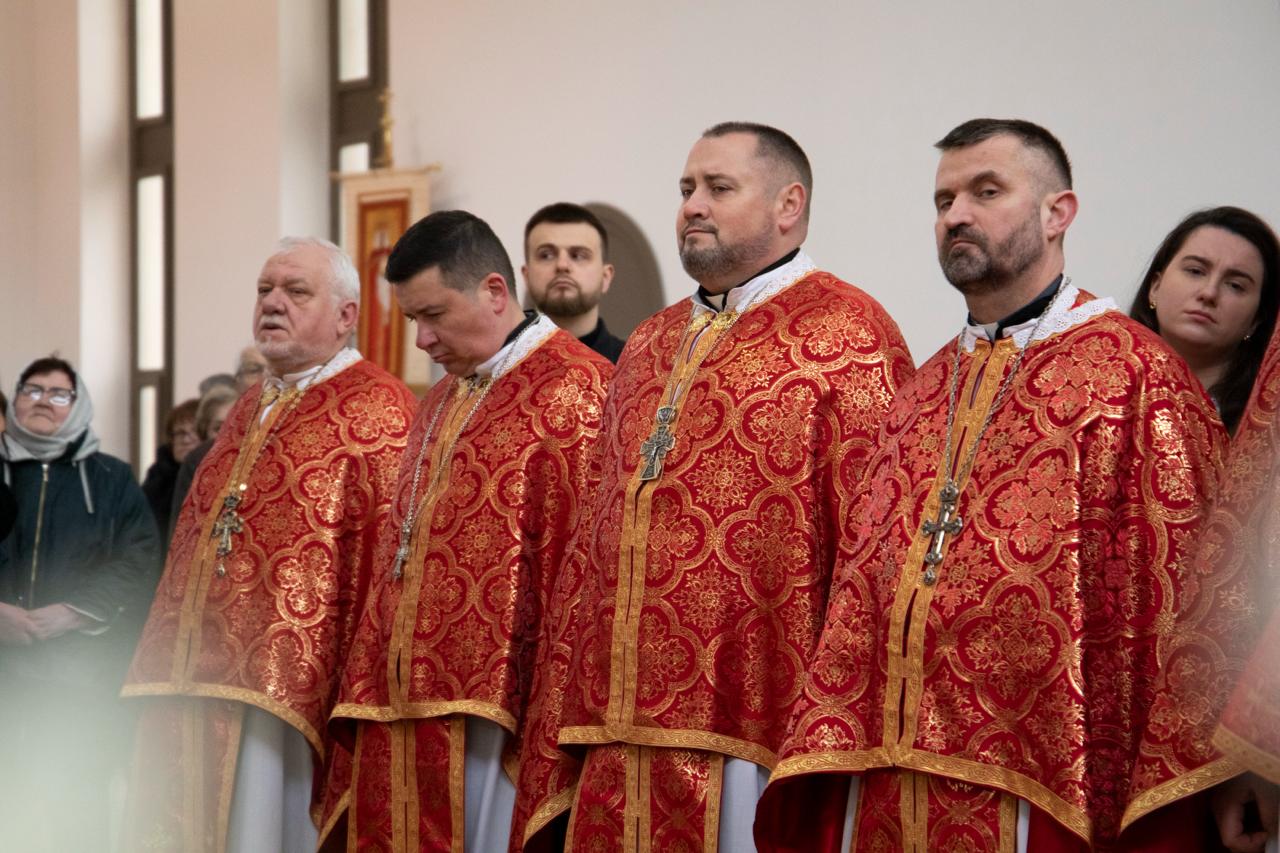
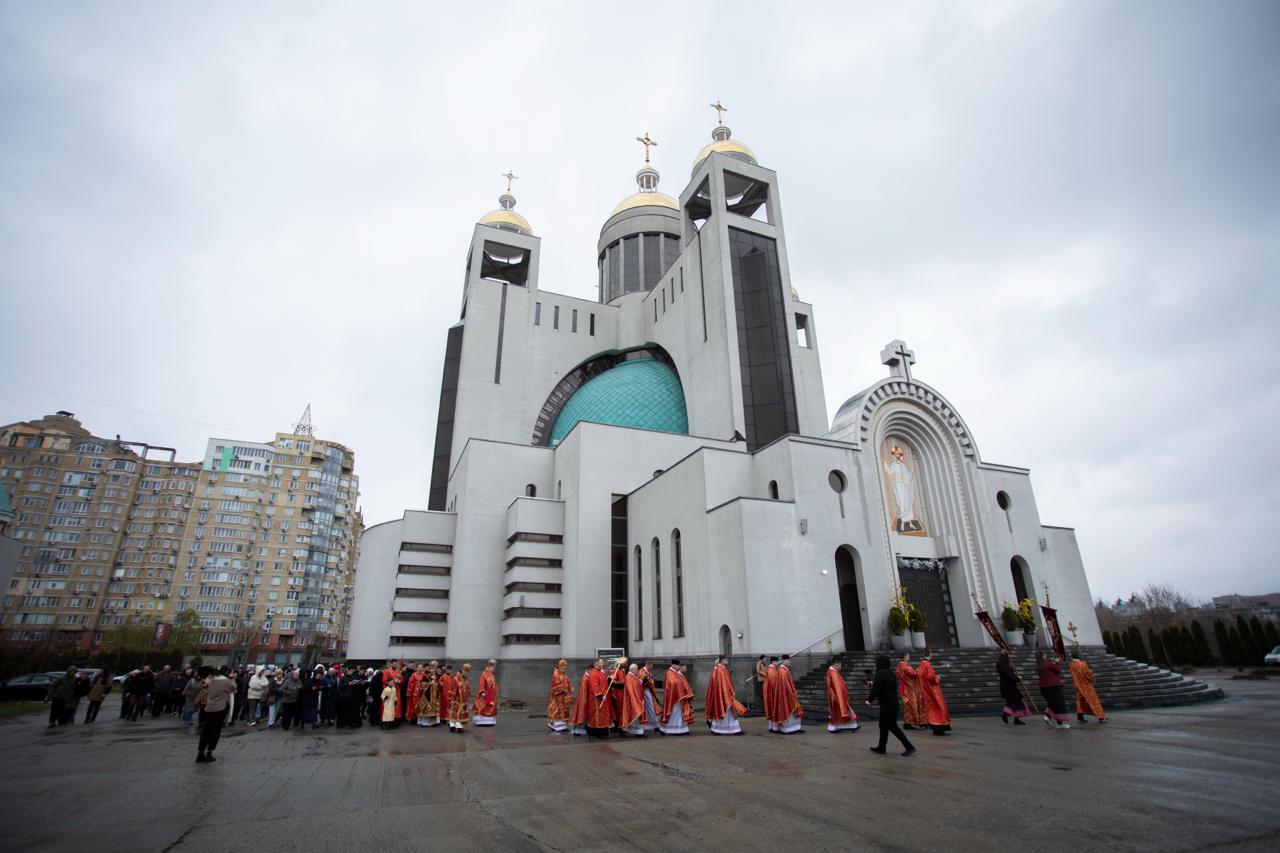
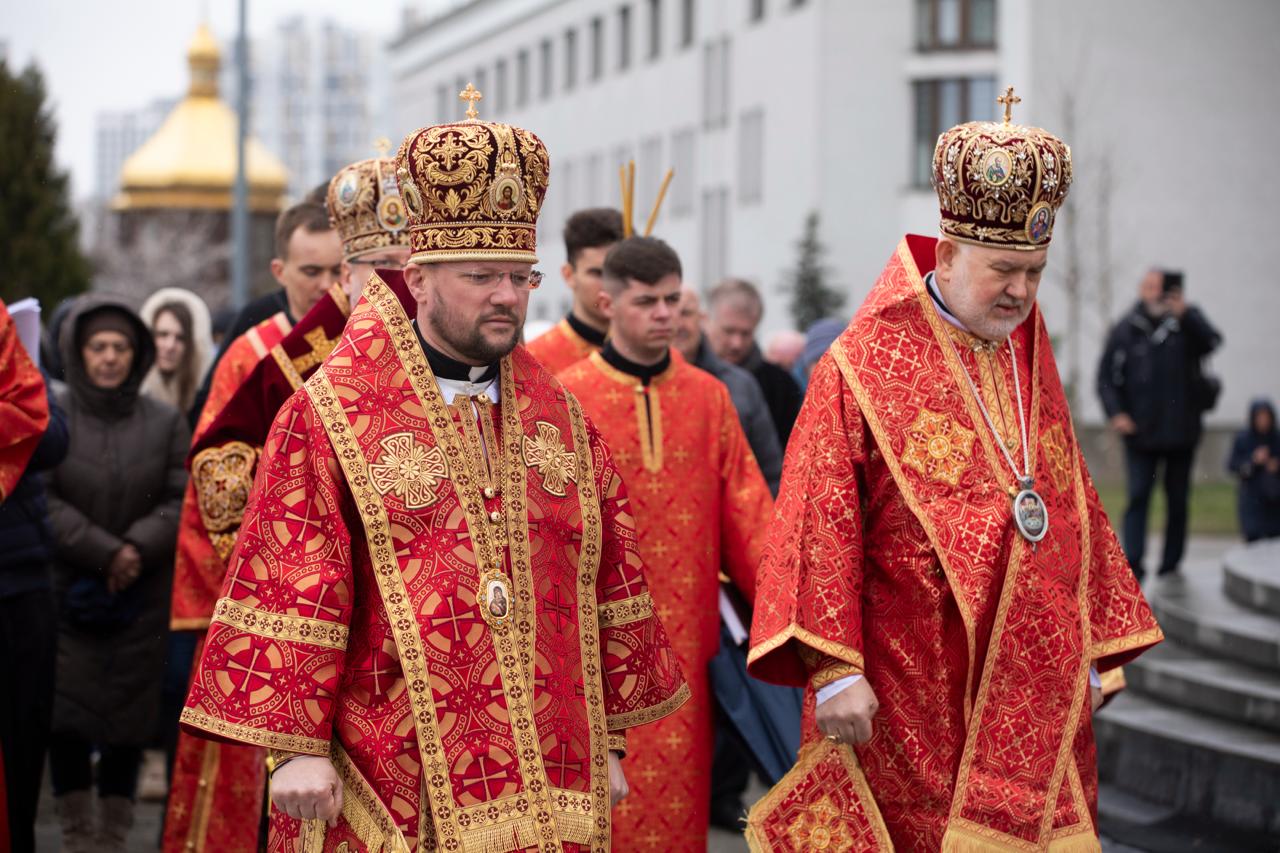
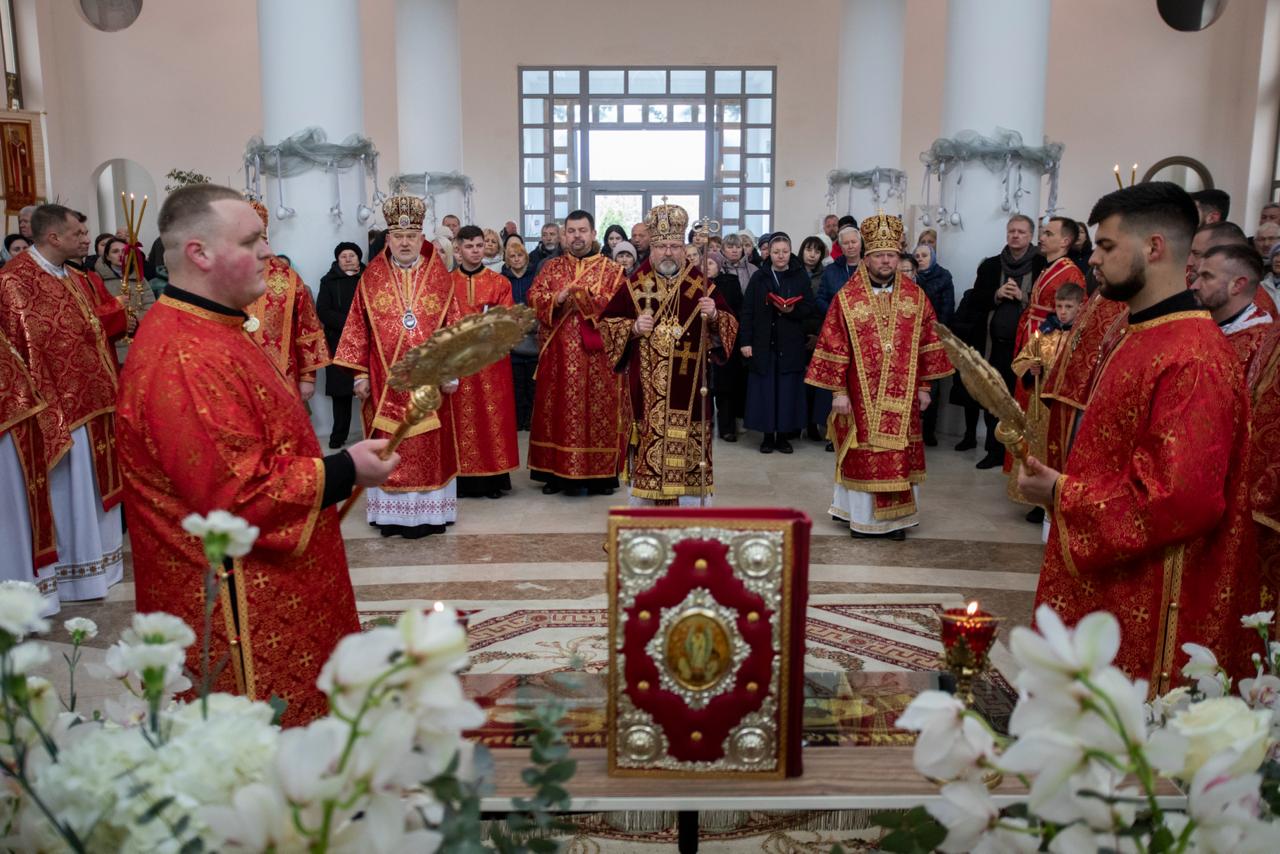
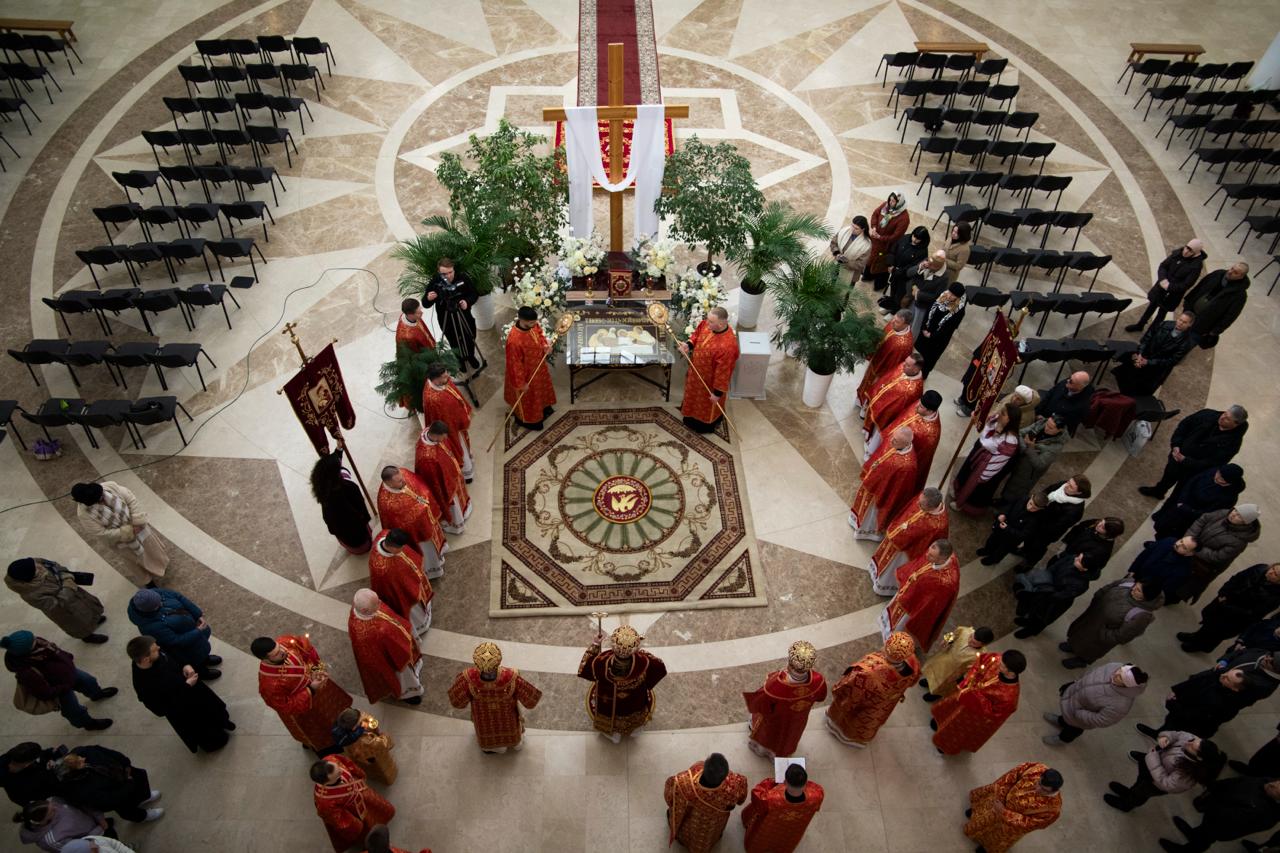
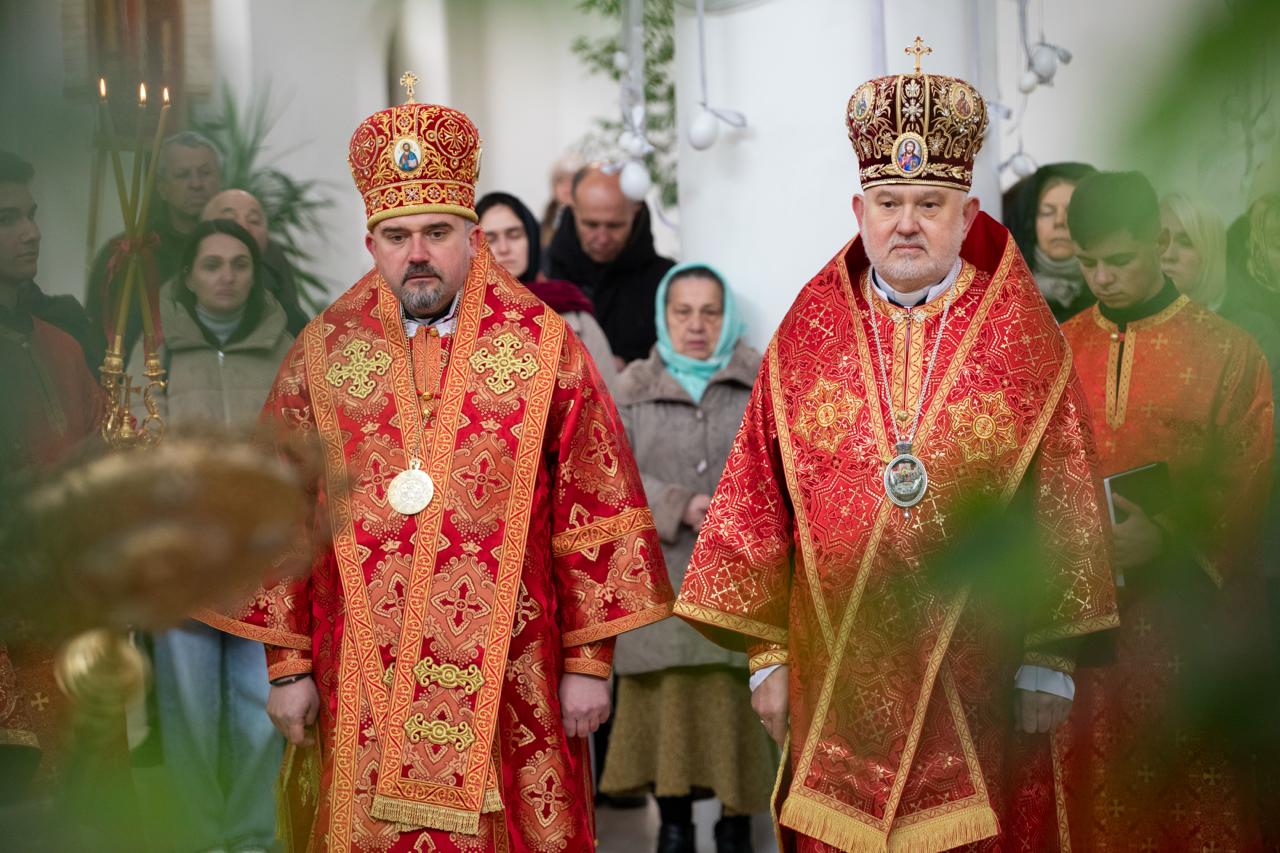
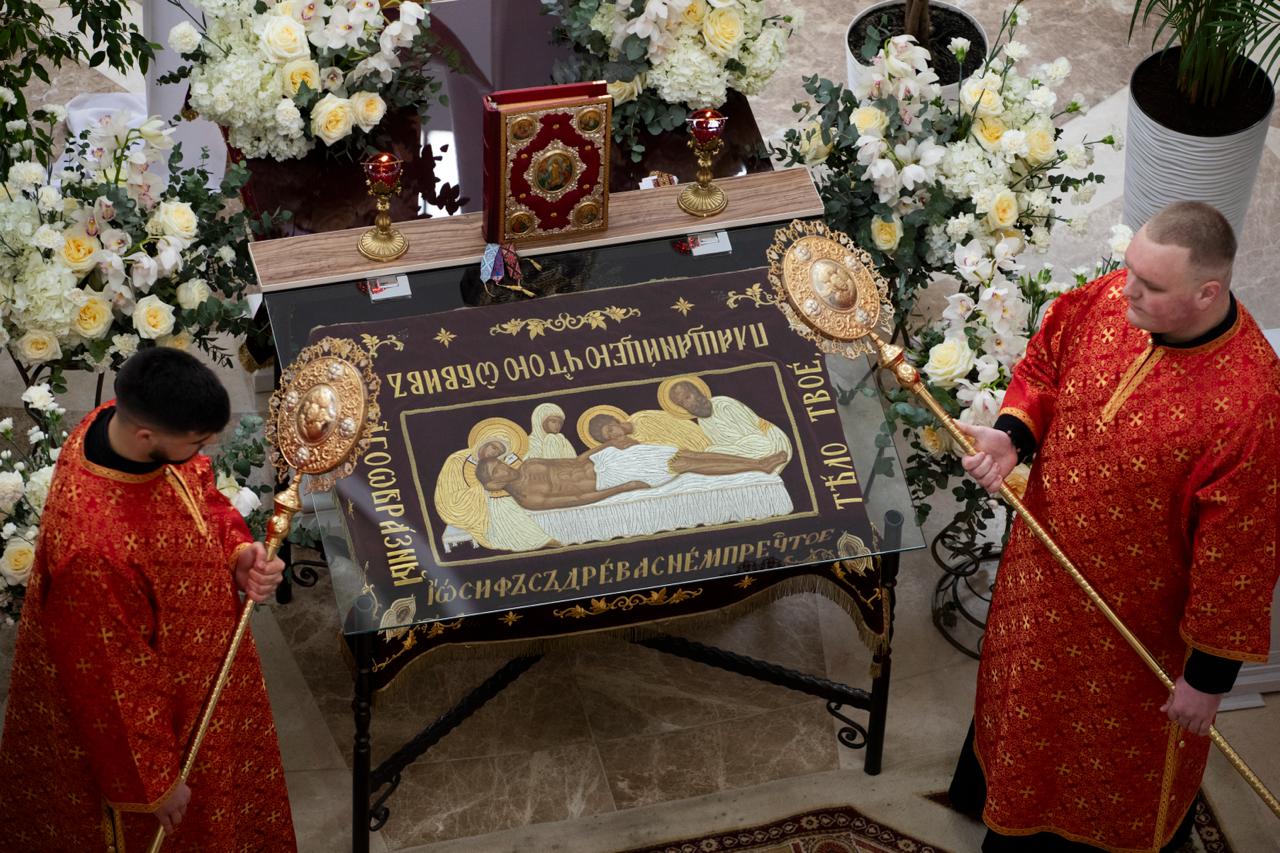
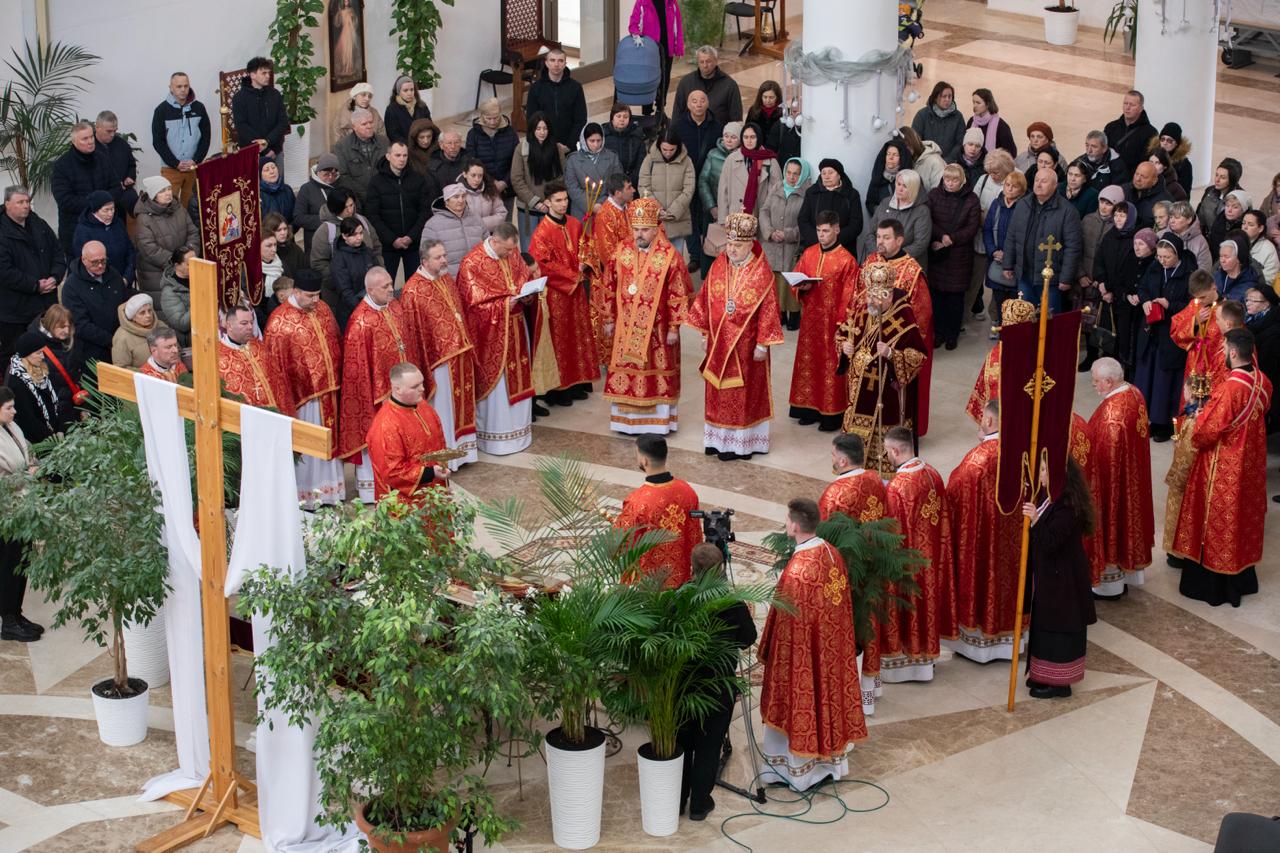
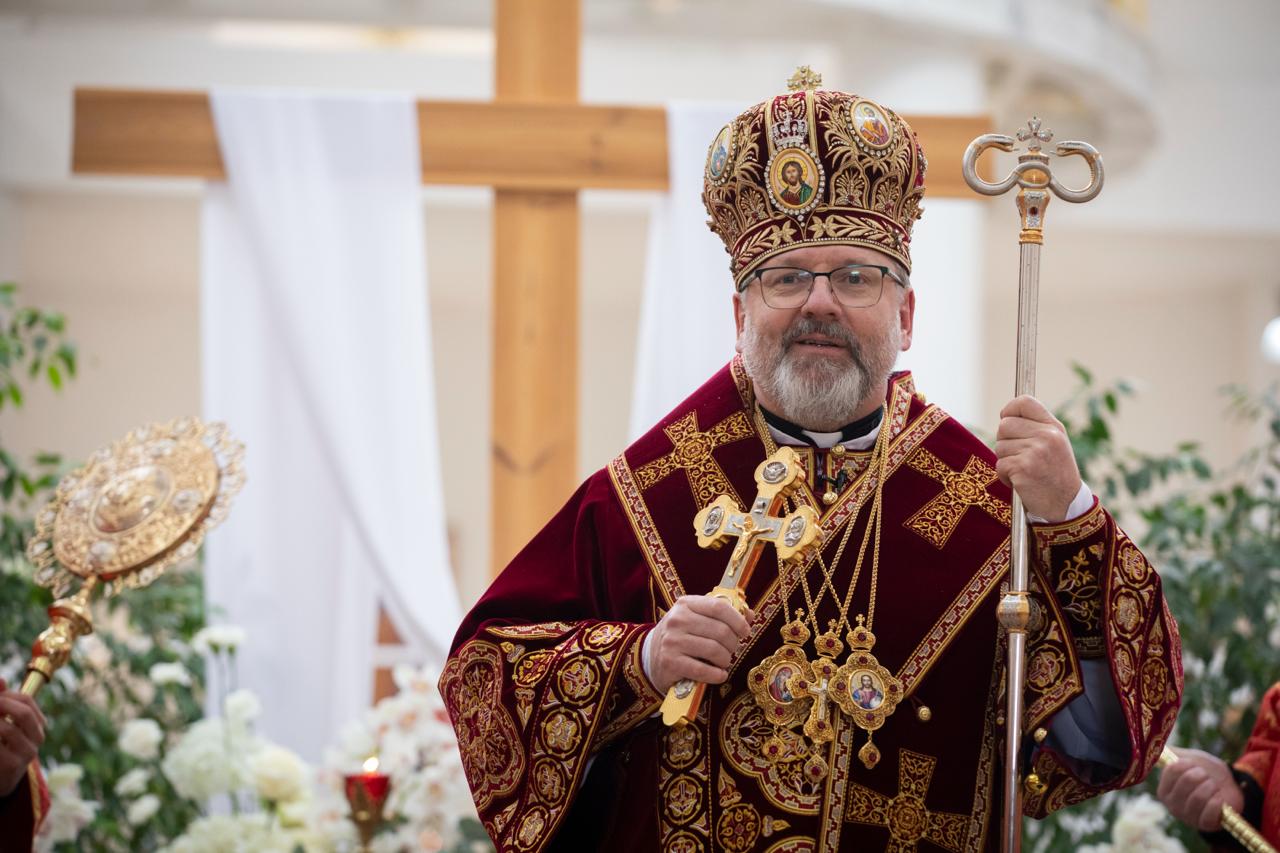
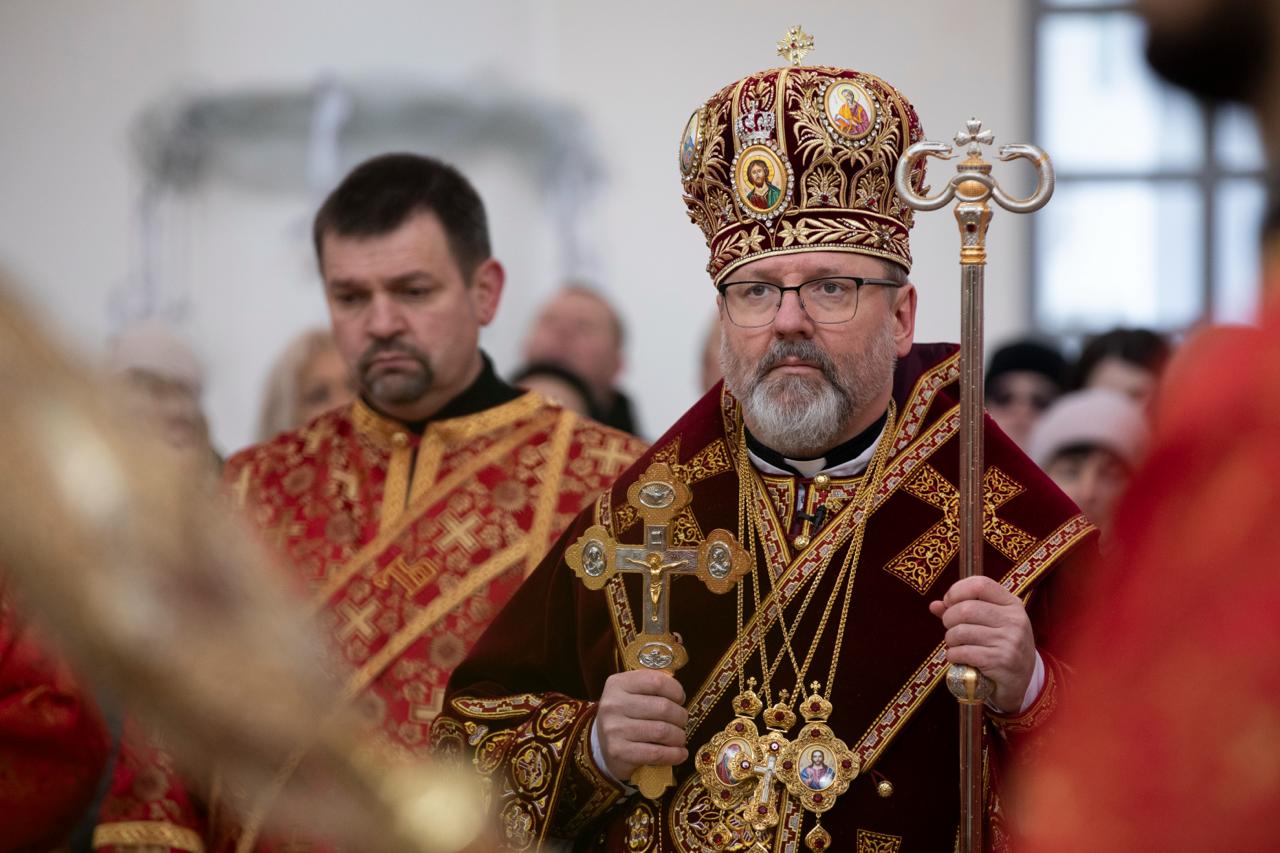
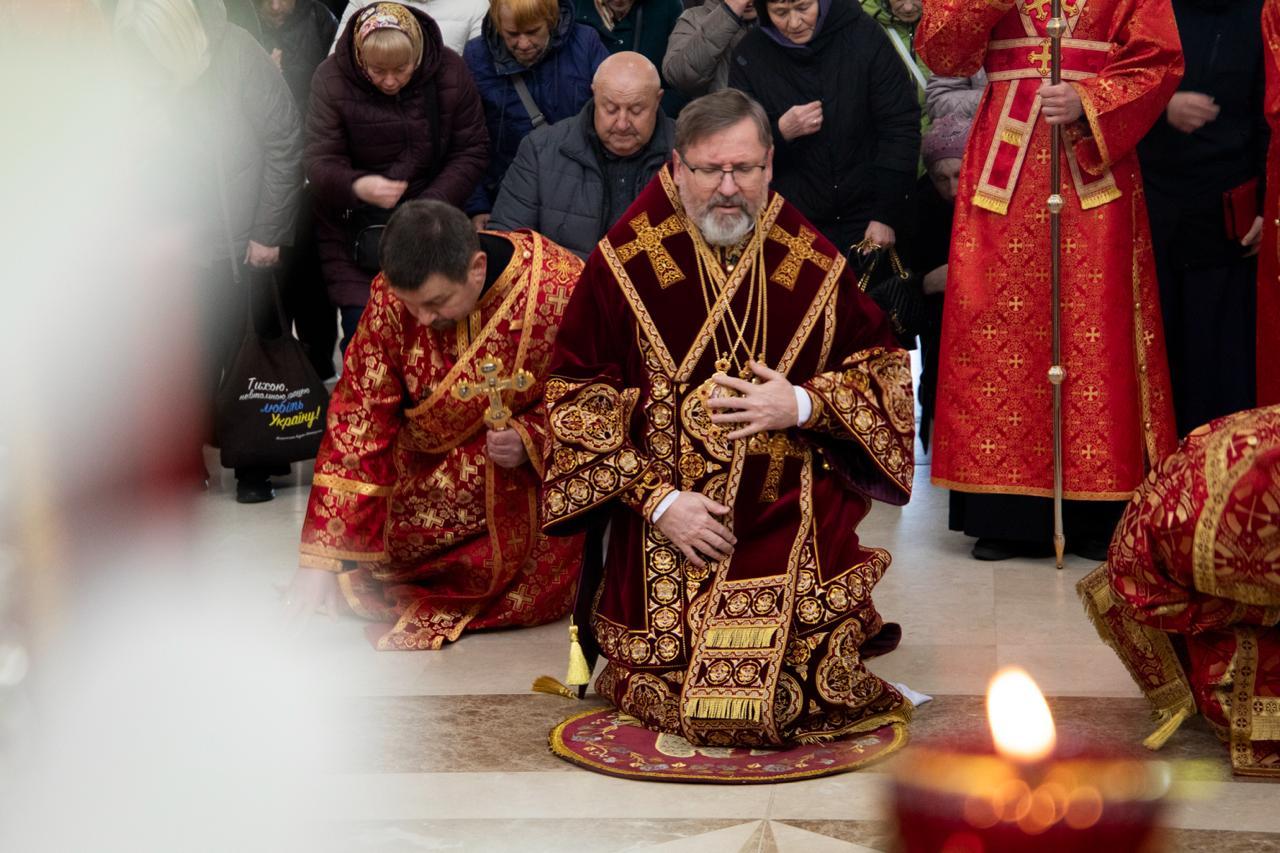
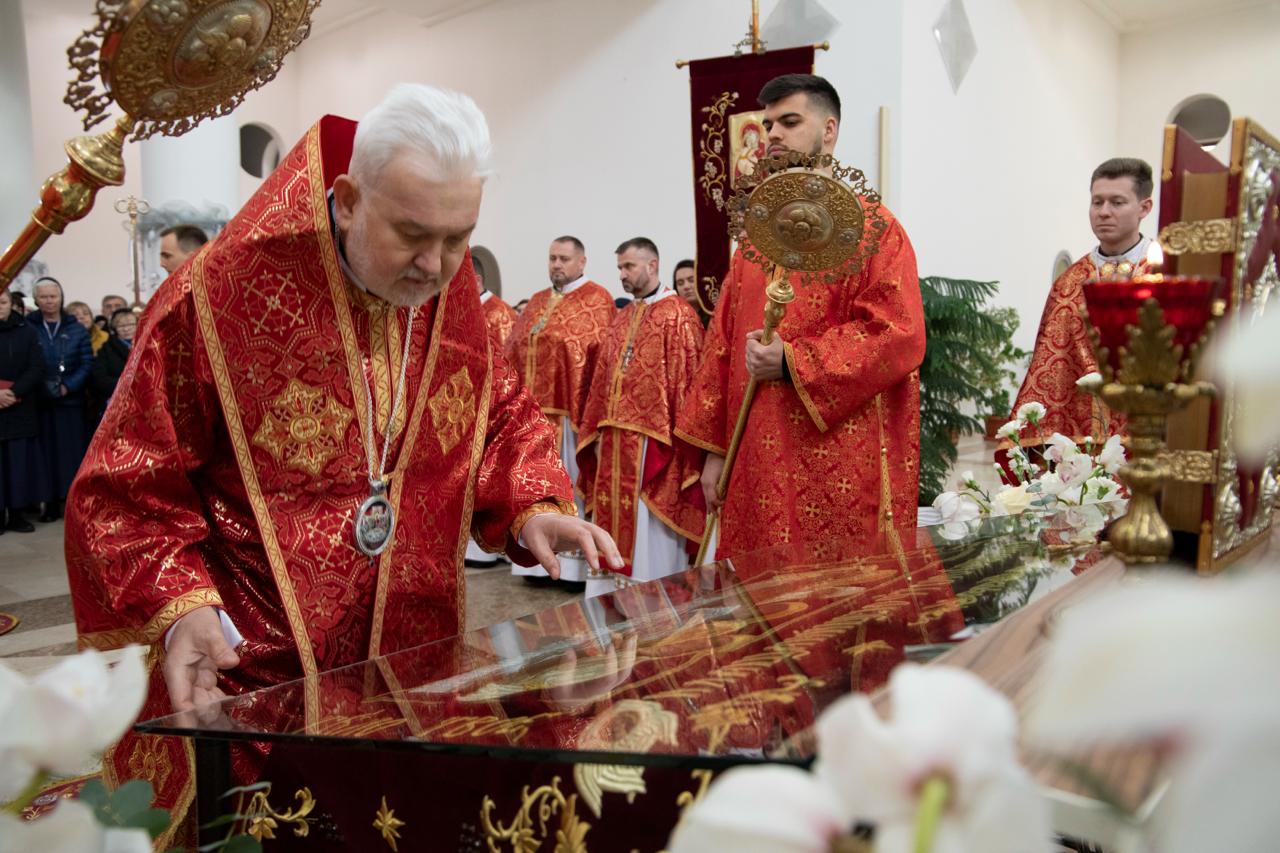
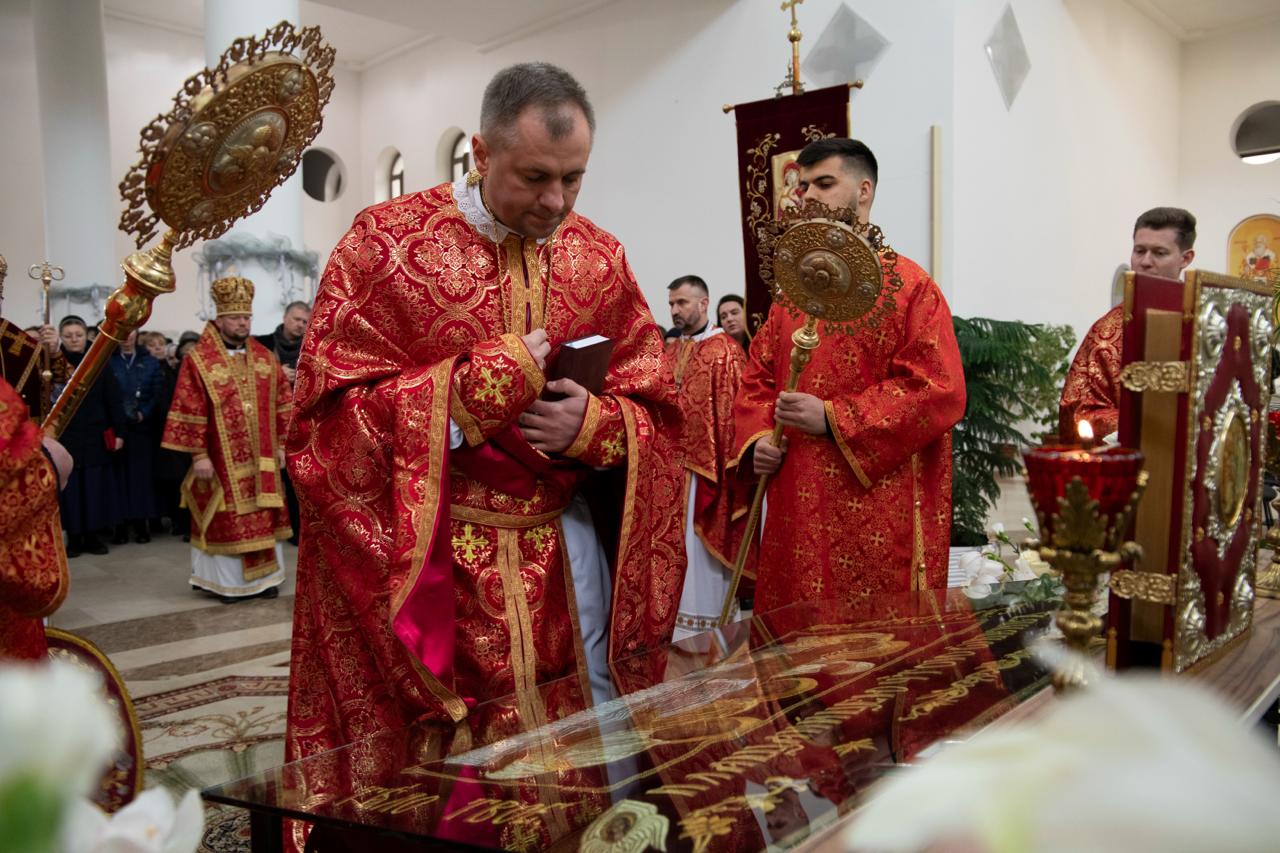
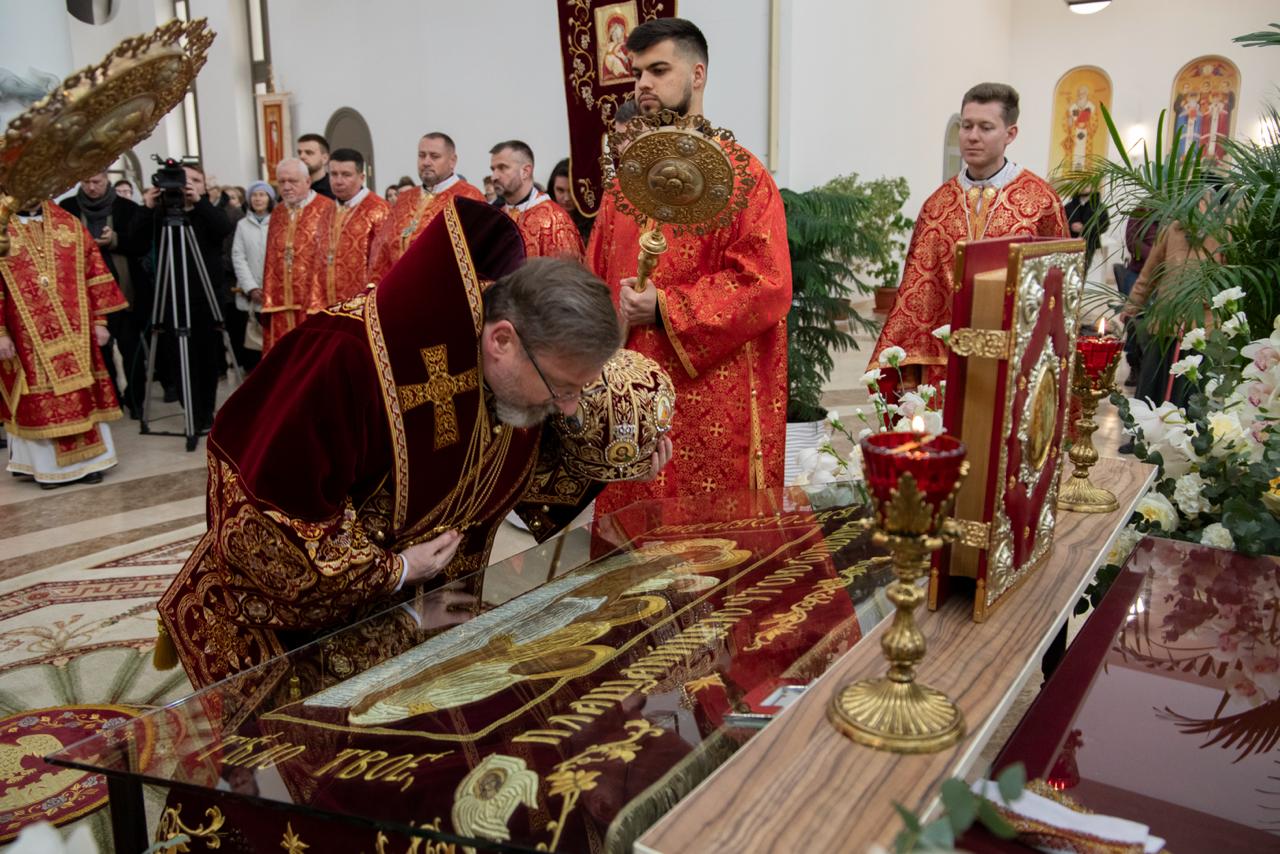
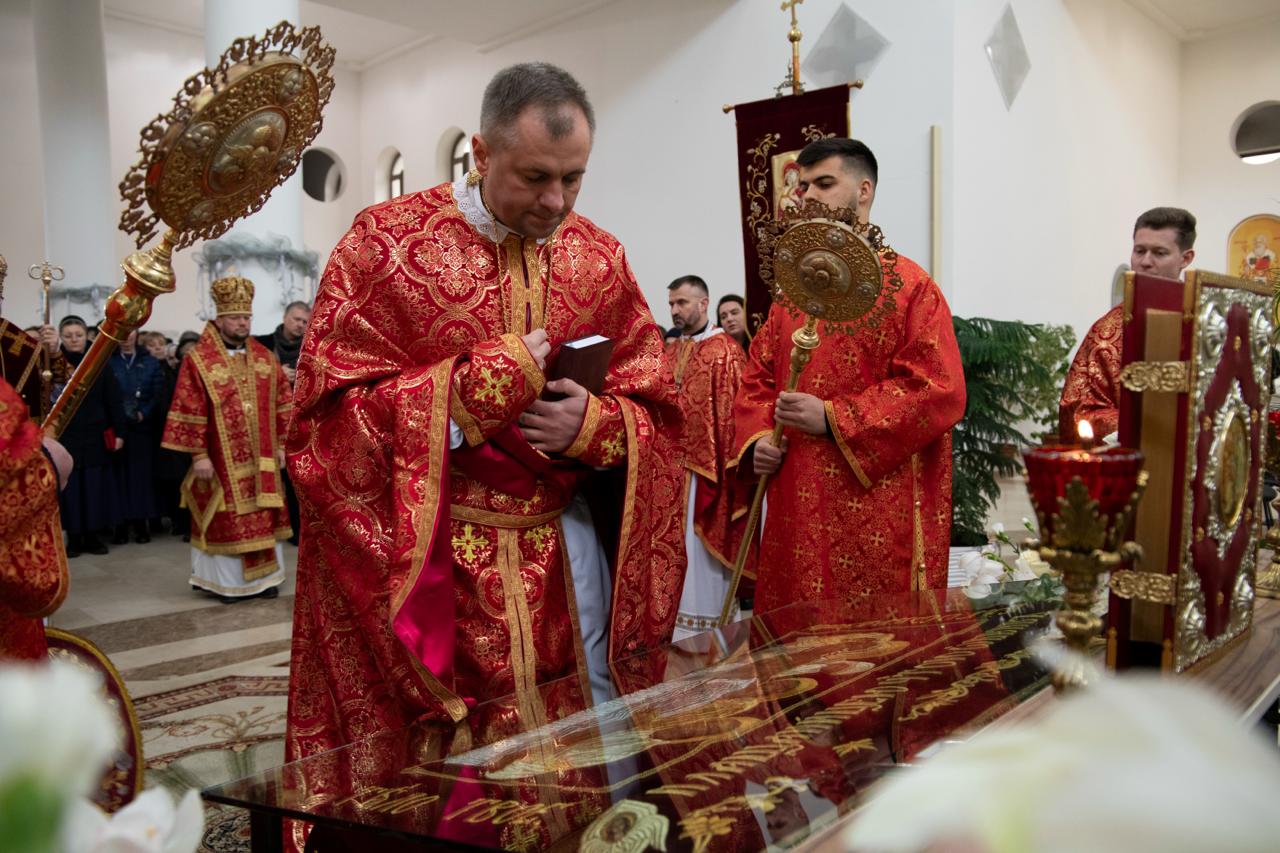
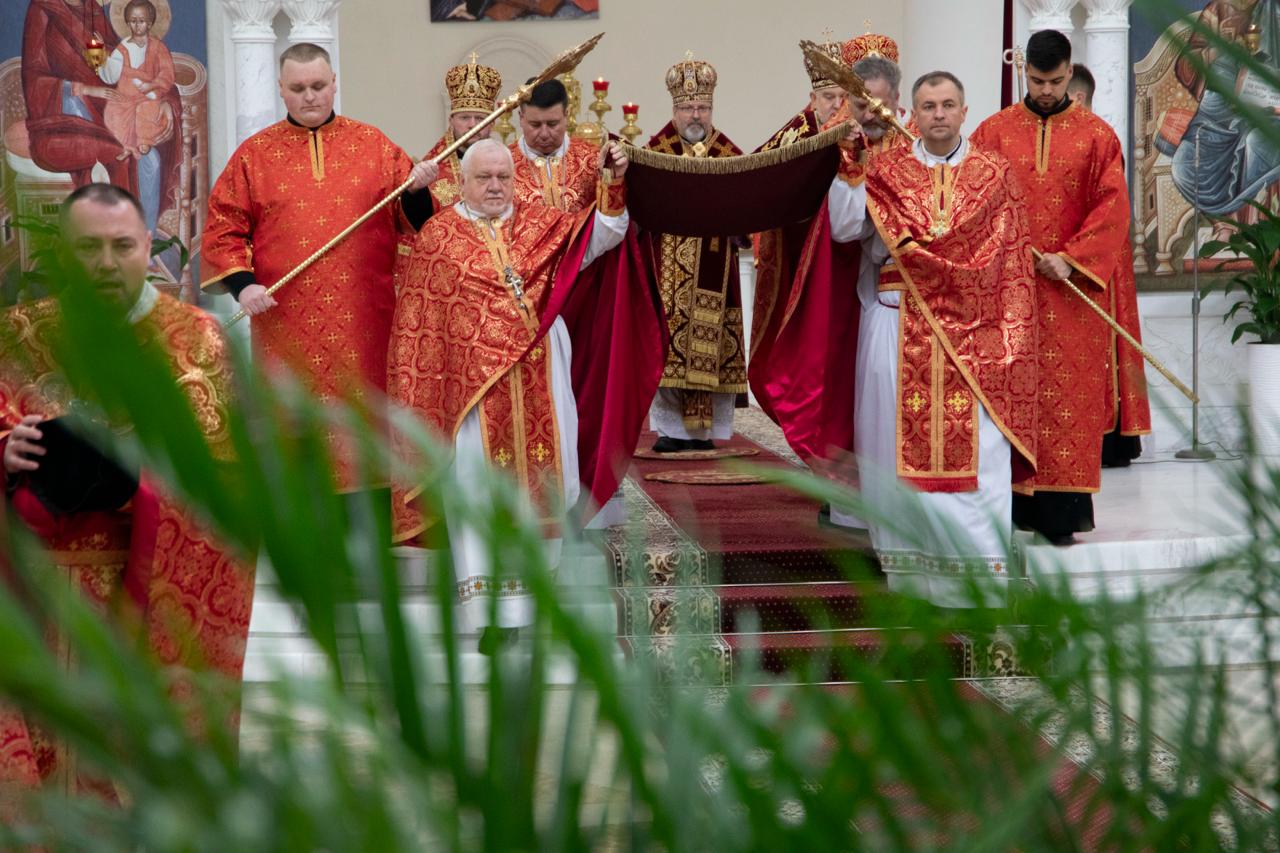
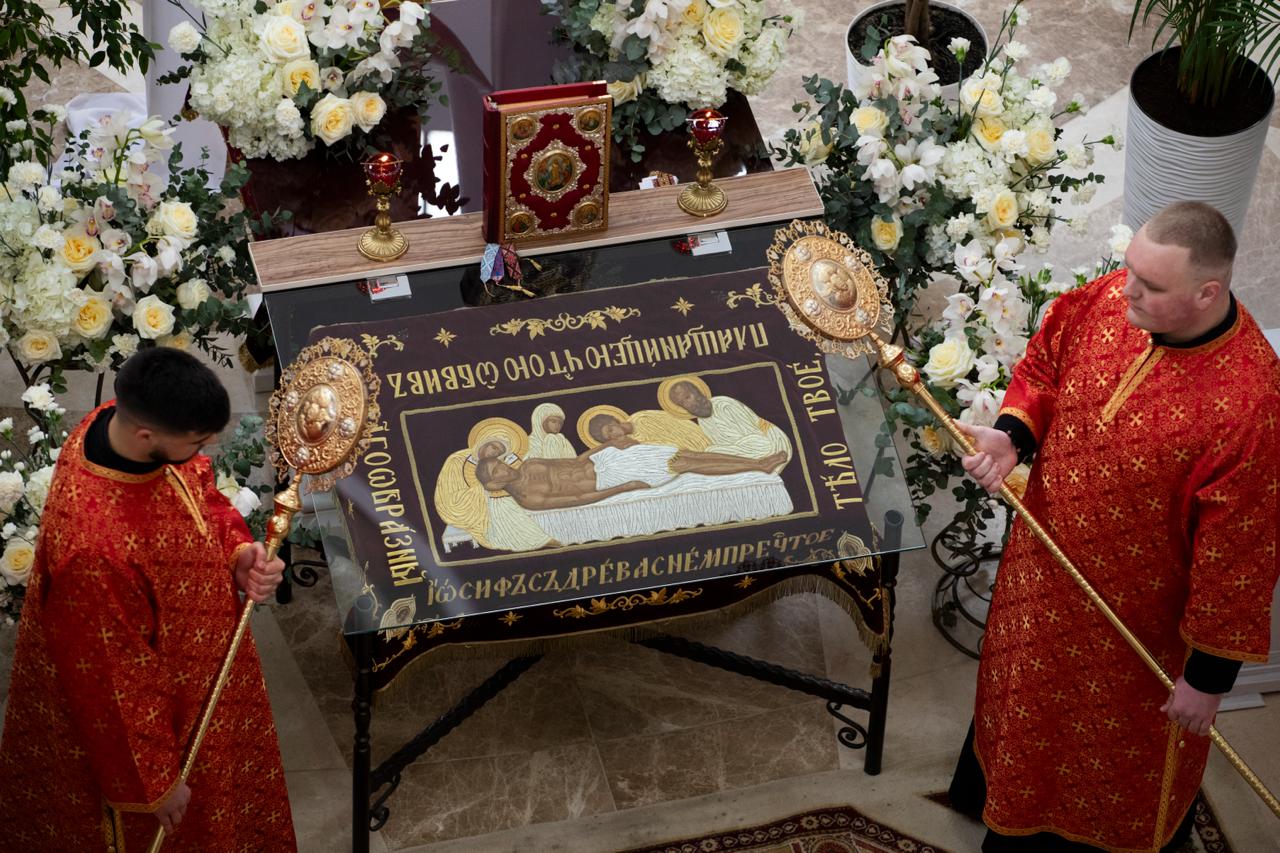
On April 10, at the Patriarchal Cathedral of the Resurrection of Christ in Kyiv, His Beatitude Sviatoslav celebrated Vespers with the placement of the Shroud. Concelebrating with him were the auxiliary bishops of the Kyiv Archeparchy—Bishops Yosyf Milan, Stepan Sus, and Andriy Khimyak—as well as the cathedral clergy.
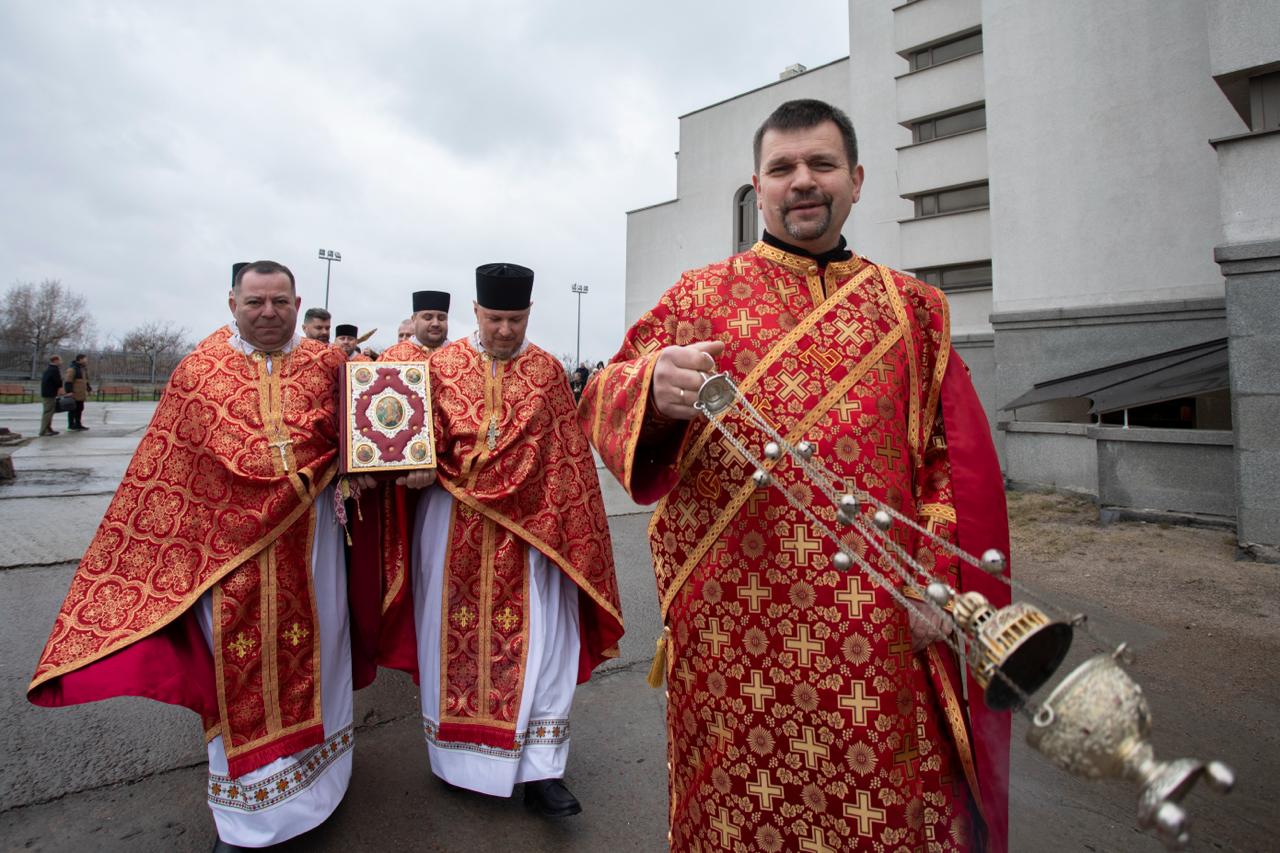
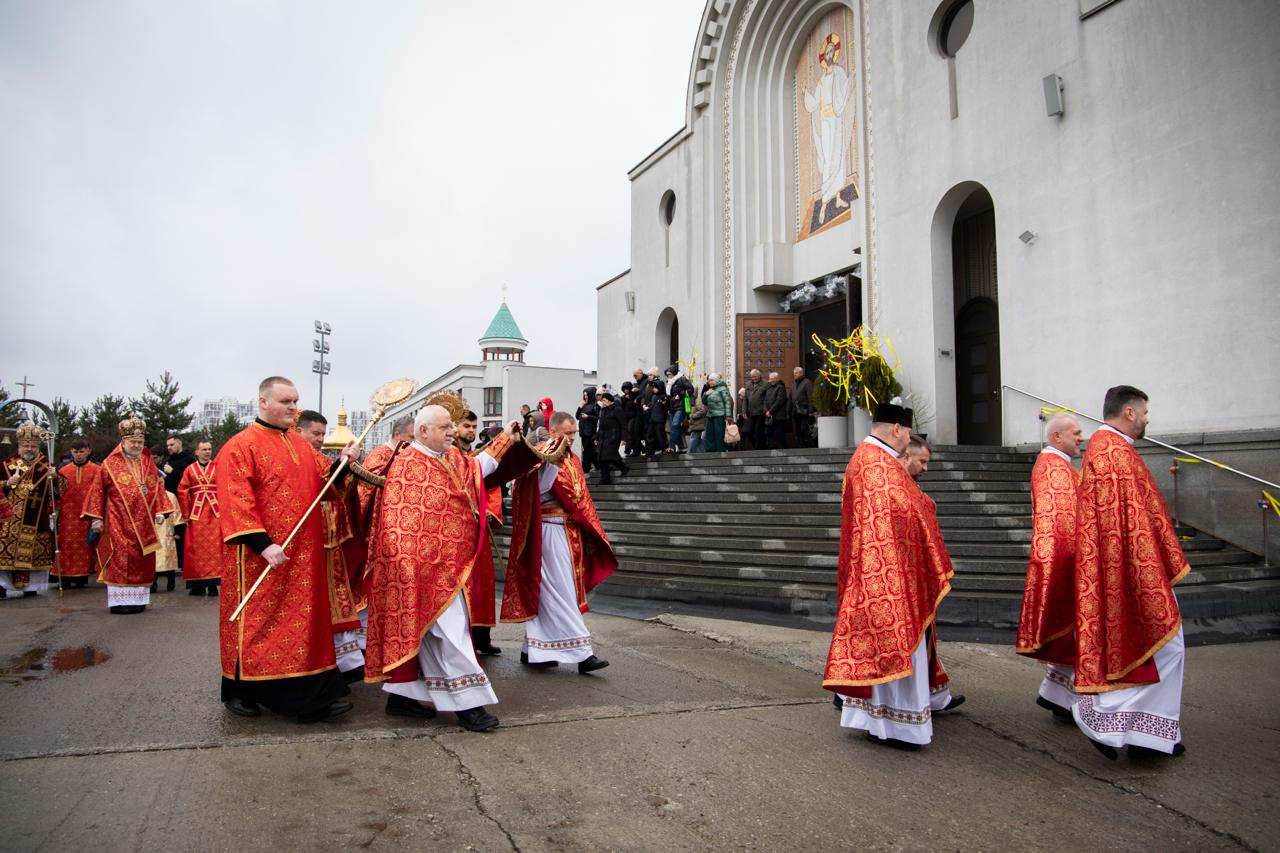
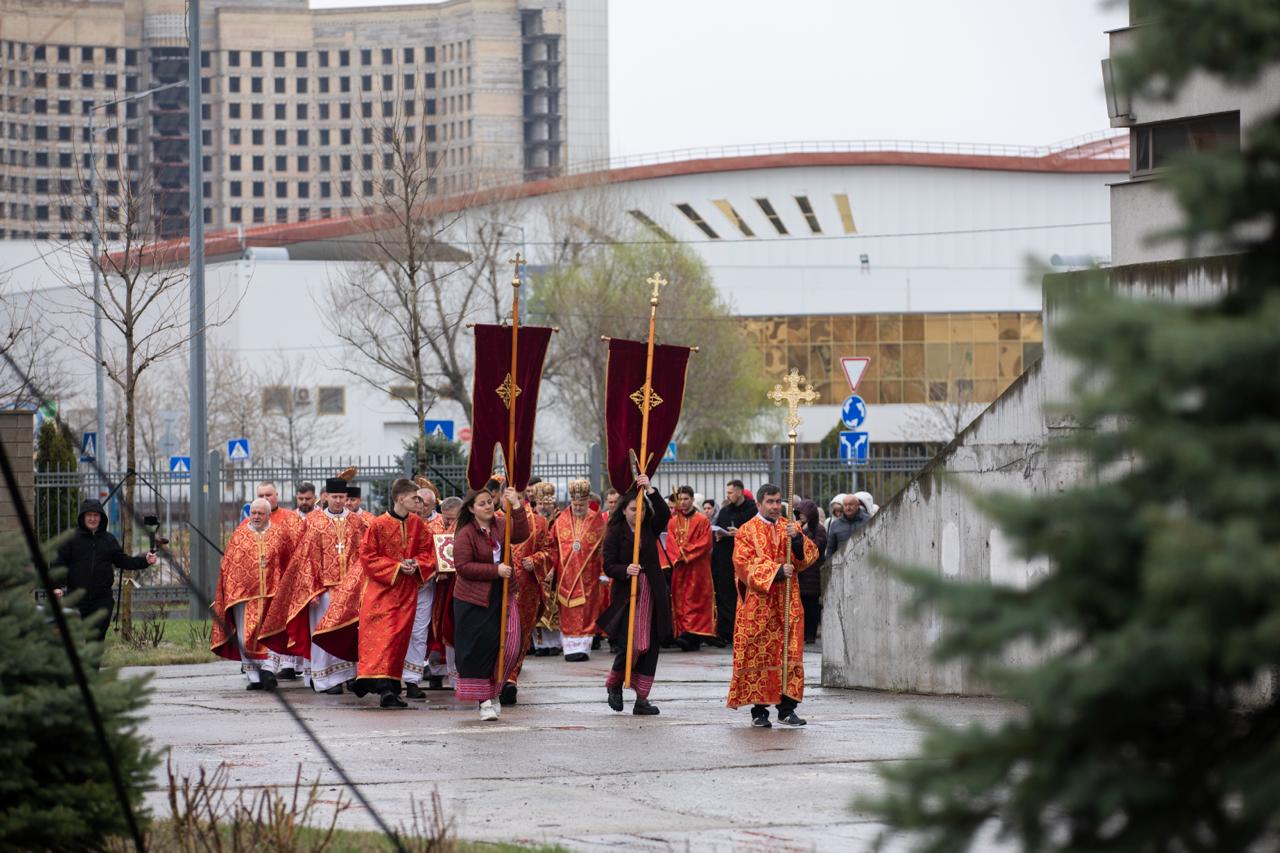
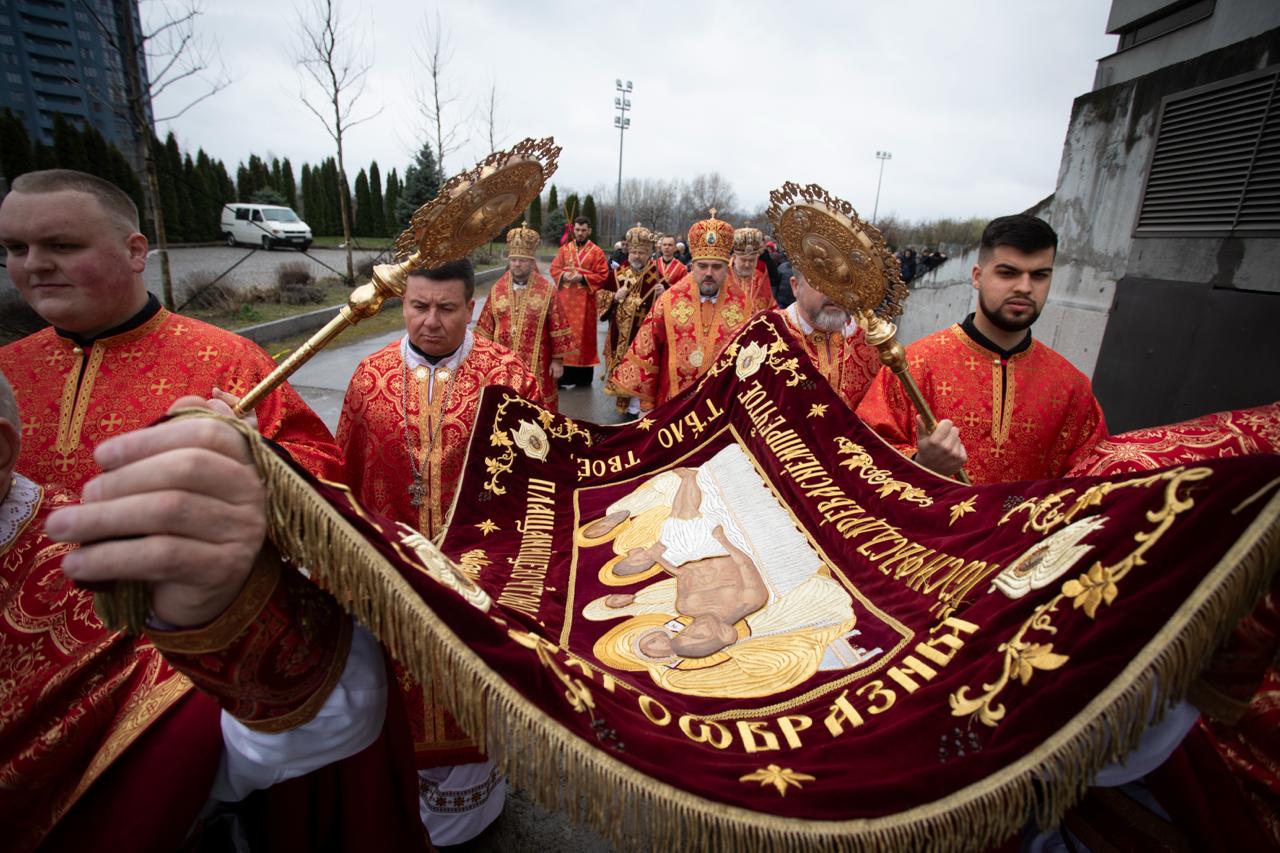
Following the placement of the Shroud, His Beatitude Sviatoslav addressed those present with a homily. He explained that the procession with the shroud marks the culmination of the Way of the Cross, during which the faithful spiritually participate in Christ’s burial:
“In this procession, we have, in a sense, completed the path of the Paschal journey, reaching the moment of the Savior’s death and burial. This is the climactic moment in which the meaning of all that we have experienced is revealed. Throughout this time, we have listened to readings from the Holy Gospels, in which the evangelists not only recorded events as chroniclers but also revealed their meaning.”
The Primate noted that the moment of Christ’s burial marks a turning point, a kind of “Rubicon” for all humanity:
“Something new has happened to all of us. Until that moment, there had been much clamor, noise, the clashing of weapons, and turmoil. And suddenly, a profound silence fell. On the one hand, we hear that, in accordance with the Jewish Passover, the Sabbath had begun—a time when nothing could be done, when people recalled the seventh day on which God rested. Everything had to come to a standstill. But this Sabbath was also Passover. That is, there is another meaning, another reason for such a radical change. To reveal this new meaning of that silence, the evangelist John speaks of Christ’s burial, noting that there was a garden where Christ was crucified, and in that garden a new tomb in which no one had yet been laid.”
Reflecting on the Gospel image of the garden, the Primate emphasized that this symbol encompasses the entire history of salvation:
“The word ‘garden’ brings the whole of Holy Scripture to life—from beginning to end. Christ’s Passion began in a garden—He was arrested in the Garden of Gethsemane. John describes that moment as one of triumph: the soldiers came, and Christ asked, ‘Whom are you seeking?’ They replied, ‘Jesus of Nazareth.’ He answered, ‘I am.’ And the soldiers fell back, for ‘I am’ is the name of God, revealed during the deliverance of the people of Israel from Egypt. Then Christ gives Himself into their hands. It was not they who seized Him; He freely gave Himself over to His Passion. Already in the Garden of Gethsemane, we see the new Adam,” the Patriarch emphasized.
He then noted that the mention of a garden at the moment of Christ’s burial indicates that the Lord’s Cross is not merely an instrument of death—it is the tree of life, and Jesus, wrapped in a shroud, is its fruit.
His Beatitude also observed that the procession around the church, symbolizing a funeral procession, concludes with entry into the Garden of Eden. According to him, the Ukrainian people have long adorned the shroud not only with flowers but also with greenery—an expression of the culmination of the Paschal journey: the return of humanity to paradise.
“Christ, as the new Adam, opens for us the way to new life—leading us to the Resurrection,” the preacher emphasized.
As we contemplate the wounded, humiliated, and martyred Christ, the Head of the Church noted, we begin to see the truth about human life outside of paradise.
“Christ shows us His wounded hands and His pierced side and says: this is the price of what you consider earthly wealth. Do you think you hold gold in your hands that gives you power in this world? These are nails that destroy and ruin you. To the powerful of this world, He cries out: do you think that without God you possess honor and glory? Your scepters are that reed in the hands of the tortured Christ. Your royal robes are nothing but the mock purple garment placed upon the Savior. Your crowns and titles, for which you are ready to kill—are nothing other than a crown of thorns that destroys a person.”
According to the Primate, we see today a God who loves humanity more than humanity loves itself:
“The Savior desires our good more than we desire it ourselves, for at times we are unwilling to endure hardship even for our own good. But Christ willingly suffered for each of us to lead us back to true life. To have such a God, to be able to reach Him—this leaves a person speechless. That is why everything falls silent before the Savior who was crucified and laid in the tomb. Yet in Him, humanity—living outside of paradise—finds its hope.”
The Head of the Church also drew attention to the present reality of war:
“It is in Jesus that all prisoners find hope for liberation. Our captured soldiers, civilian hostages, and abducted Ukrainian children find hope for freedom. We, the wounded people of Ukraine, have hope today for healing from the trauma of war. For we are given the grace to venerate the wounds of our Savior. As the prophet says: ‘By His wounds we are healed.’ We, as a people invaded by war and death, find in our Savior the hope of victory and resurrection. These are wondrous things the Lord reveals to us today, and He invites us to come and draw from the fountain of immortality.”
In conclusion, he emphasized the meaning of the silence of Good Friday as a time of hope:
“This silence is not emptiness, but a moment of hope. The seventh day has begun, which will quietly lead us into the first day of the new creation—Sunday, the feast of Christ’s Resurrection. That is why today we sing: ‘We worship Your Passion, O Christ,’ and we glorify Your burial and Resurrection, saying: ‘Lord, glory to You.’”